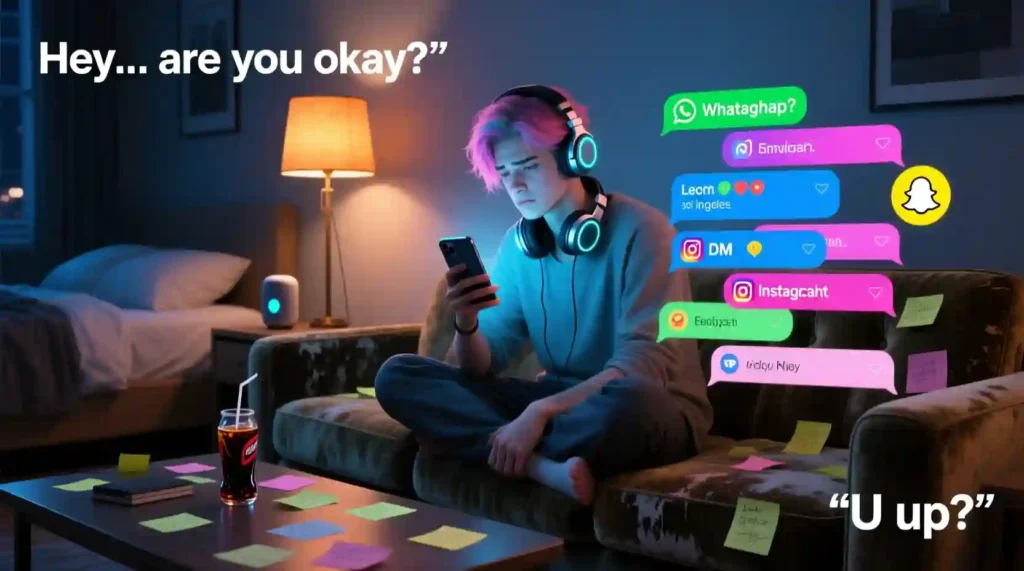
why Gen Z keeps texting confusing people: Understanding the Dopamine Trap
If you’ve ever found yourself staring at your phone, unsure whether to reply, delete, or wait, you’re not alone. I’ve been there—refreshing the chat, hoping for a reply that might never come. For many of us in Gen Z, this isn’t just a quirky habit; it’s a deep pattern of emotional dependence, texting, and digital attachment that can feel impossible to break. But why does Gen Z keep texting confuse people? Let’s dig into the psychology behind it and explore practical tools to regain control.
The Dopamine Loop of Texting
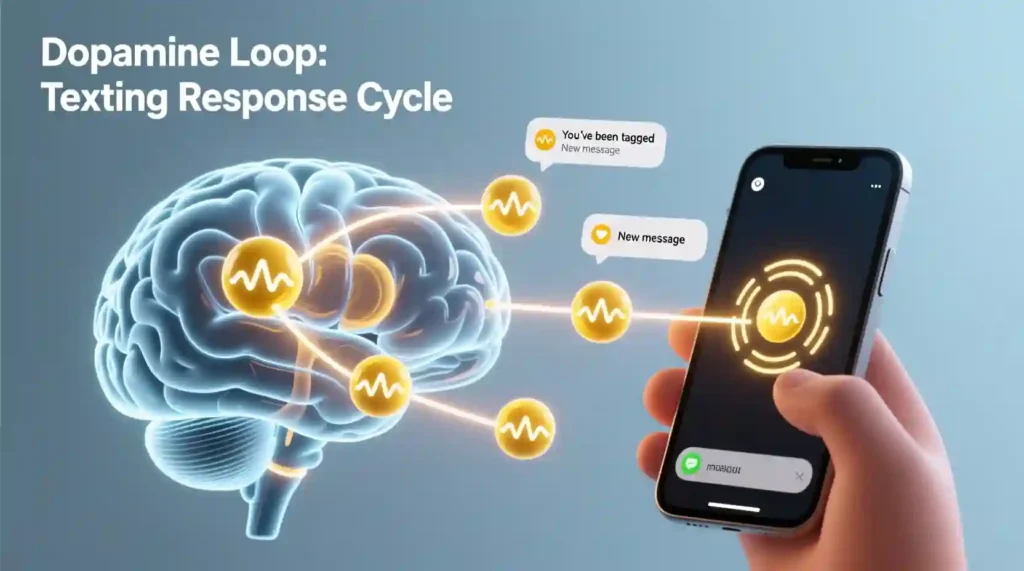
Here’s the truth: texting triggers a tiny rush in your brain every time someone responds. Think of it as a micro-dopamine hit. You get a buzz of excitement, and suddenly, your mind starts hoping: “Maybe this time, they’ll reply differently. Maybe this time, they’ll finally act interested.” This is the dopamine texting loop—a cycle where the uncertainty itself feels like connection.
I remember texting someone I liked endlessly, even though they often ghosted me. Each vague reply felt like a win, and each silence felt unbearable. It’s the same for many in Gen Z: we confuse texting addiction in relationships with genuine emotional closeness. That little ping isn’t just a message; it’s a hit of hope, and hope can be addicting.
Overtexting habits fuel this loop. We keep texting, not because we feel closer, but because our brain craves validation. Each emoji, “lol,” or one-word reply becomes a mini reward. And yet, the more we chase it, the more anxious we feel. Understanding this loop is the first step toward freedom.
Attachment Styles in Modern Dating
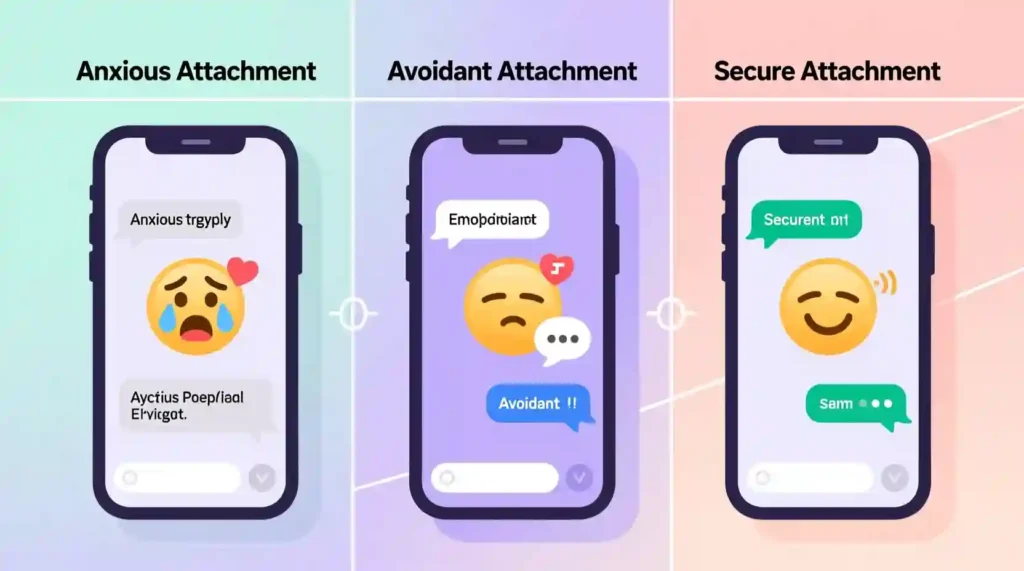
Another reason Gen Z keeps texting confusing people is rooted in digital attachment patterns. In modern dating, we often see three main attachment styles: anxious, avoidant, and secure. Anxiously attached people overtext and worry constantly, while avoidant types pull away and leave messages unanswered. Secure communicators—rare as they may be online—respond consistently, offering clarity.
I had a friend, let’s call her Maya, who dated someone with an avoidant style. She would text him repeatedly, feeling a mix of hope and rejection. Her anxious attachment style made it nearly impossible to stop, because the uncertainty felt intense. Recognizing your triggers—like being anxious after a delayed reply—helps you separate emotional reactions from rational decisions.
Situationship communication often worsens this problem. When someone is emotionally unavailable in chat but occasionally responds with warmth, the brain sees inconsistency as a reward. This is why Gen Z can fall into a loop where texting anxiety dominates their digital life.
Fear of Silence
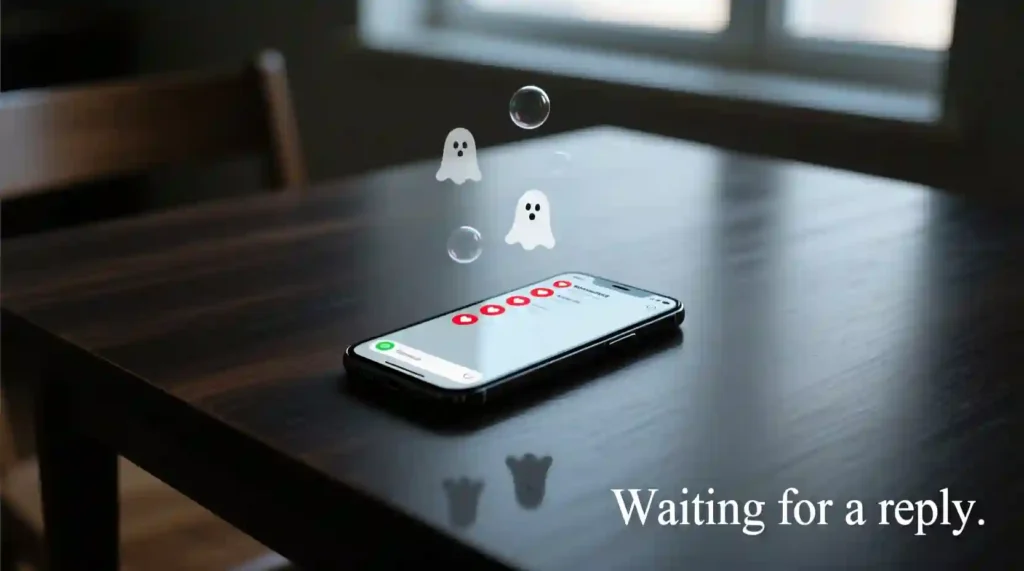
Silence in texting often feels like rejection. Many of us have been conditioned to associate unread messages with being ignored or unwanted. This fear drives the constant need for digital validation and dopamine. For Gen Z, it’s rare to feel comfortable being alone online. Even when we’re physically with friends, our minds wander to unanswered texts, wondering if we’re missing out.
I remember checking my phone during a movie, thinking, “Maybe they texted back.” That panic is a symptom of a fear of being ignored, amplified by endless social media scrolling and read receipts. Silence itself becomes anxiety. Learning to embrace digital quiet is essential. Being comfortable alone, or without immediate validation, builds emotional resilience.
Setting Texting Boundaries
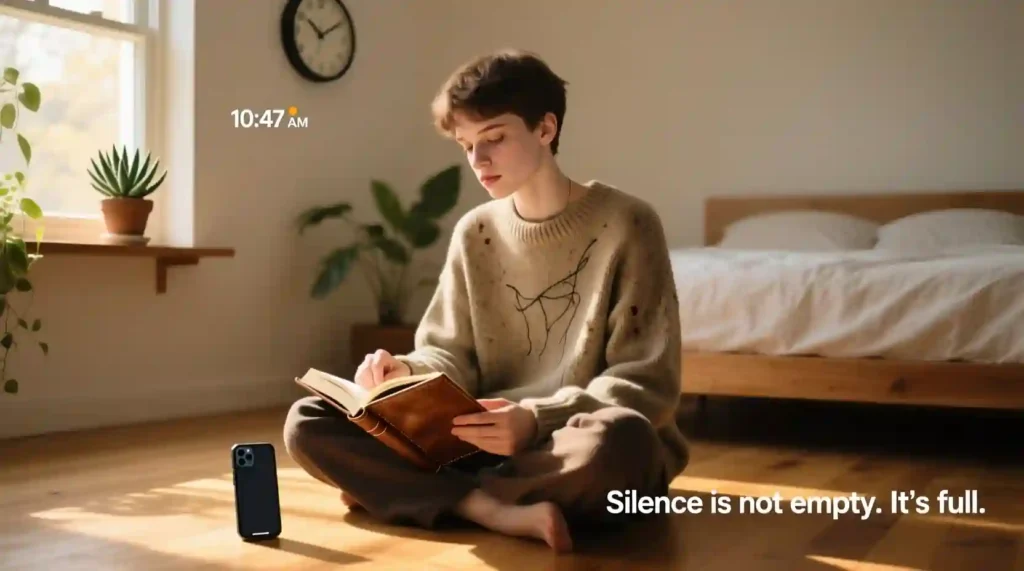
Breaking the cycle requires clear boundaries. Here are strategies that work:
- Time limits for replying – Give yourself permission to wait before responding. I set a personal rule: if someone hasn’t replied in 24 hours, I step back. It’s freeing.
- “Pause before send” habit – Don’t rush to hit send after reading a confusing message. Pause, breathe, and ask yourself why you feel compelled to reply.
- Turning off read receipts – I once disabled read receipts on every chat. Suddenly, I wasn’t anxious about immediate responses. It’s a small adjustment with huge benefits.
These texting boundaries in modern dating are about reclaiming emotional control. Overtexting habits and fear of silence slowly fade when you practice these consistently.
Breaking the Pattern
Breaking the cycle isn’t instant—it’s a process. Here’s how to start:
- Journal the reasons you text: Write down why you feel compelled to reach out. Is it loneliness, curiosity, or hope? Seeing it on paper makes it clearer.
- Replace the urge with self-check-ins: When you feel the urge to text, pause and ask, “Do I want connection, or am I seeking validation?” A short walk or a call with a friend often works wonders.
- Find friends who bring clarity: Surround yourself with people who communicate consistently and respect your boundaries. Real-life connection replaces texting addiction with meaningful interaction.
It’s amazing how much lighter your mind feels once you stop equating every digital ping with your self-worth. I still struggle sometimes, but journaling and reflection make the difference. Self-awareness becomes your shield against emotional dependence texting.
FAQs Why Gen Z keeps texting confusing people
Q1: Why can’t I stop texting someone who confuses me?
A: The combination of dopamine texting loop, anxious attachment, and fear of silence keeps you hooked. Your brain confuses uncertainty for connection.
Q2: Are overtexting habits normal in Gen Z?
A: Yes, but normal doesn’t mean healthy. Recognizing overtexting and practicing texting boundaries tips is crucial.
Q3: How do read receipts cause anxiety?
A: They create pressure to respond quickly and make delayed replies feel like rejection, fueling texting anxiety Gen Z experiences.
Q4: Can journaling help stop texting addiction?
A: Absolutely. Journaling clarifies motives, reduces impulsive texting, and builds emotional self-regulation.
Q5: What’s a practical way to reduce emotional dependence on texting?
A: Replace compulsive texting with mindful activities, reflection, and connecting with friends who offer real emotional support.
Conclusion: Taking Back Your Digital Peace
Understanding why Gen Z keeps texting confusing people is more than a trend—it’s a window into our emotional wiring. The texting addiction in relationships, digital validation cycles, and anxious attachment styles are powerful, but not unbreakable. Setting texting boundaries in modern dating, recognizing triggers, and journaling your emotional responses can restore control.
I’ve learned that the moment you stop equating unread messages with rejection, your self-worth skyrockets. You start texting because you want genuine connection, not out of fear or compulsive habit. That clarity, that calm, is freedom. You can still connect, love, and enjoy texting—but on your terms, with your mind at peace.
Disclaimer: This post is for informational and emotional support purposes only. Every relationship is unique, and this is not professional legal, medical, or mental health advice. Read our full disclaimer.
Affiliate Disclosure: Some links in this post may be affiliate links. If you make a purchase through them, I may earn a small commission at no extra cost to you. Learn more here.
Pingback: Ghostlighting vs Ghosting: What Gen Z Needs to Know Now - Love and Breakups