
Why Floodlighting Feels Like Love, There’s a strange kind of moment that happens in early relationships—the moment someone opens their heart so suddenly, so fully, you feel swept into their world before you’ve even learned the basics about them. It feels real. It feels deep. It feels like fate brushing up against your chest. But when we look at it through the lens of who, what, where, when, why, and how, we begin to see something uncomfortable: what feels like love might actually be emotional speed, emotional urgency… or emotional manipulation.
Floodlighting is soft on the outside, but heavy on the inside. It feels like closeness, but it’s closeness that you didn’t grow into—it’s closeness that was handed to you, pushed onto you, poured over you before you could decide whether you wanted to be held that tightly. And because it comes packaged as vulnerability, you don’t know how to say, “Hey… this is too much.” You just take it. You hold it. You absorb it.
And that’s where the danger begins.
Reveal the Truth Behind Floodlighting
If you break floodlighting down using the simplest questions we use to understand anything—who does it, what it looks like, where it shows up, when it escalates, why it works, and how it pulls you in—you start to see the pattern hidden under all that intensity.
Who uses floodlighting?
People who fear distance. People who crave instant connection. People who don’t know how to build a relationship slowly.
What does it look like?
Like softness. Like honesty. Like “openness.” But it’s really pressure disguised as vulnerability.
Where does it show up most?
In early dating, online conversations, late-night texting chains, emotional voice notes, and moments when you’re already a little lonely or raw.
When does it strike?
Fast. Too fast. Faster than your mind can make sense of.
Why does it work?
Because your heart reacts before your logic gets a chance to protect you.
How does it trap you?
By making you feel responsible for someone you barely know.
It feels like love, but it isn’t love at all. It’s emotional acceleration.
Why Floodlighting Feels Like Love at First, Even When It’s Not
There’s a reason floodlighting hits so intensely: your brain can’t tell the difference between real vulnerability and rushed vulnerability. It just knows something emotional is happening. Something deep. Something raw. And because you’re human—because you care—you lean in.
Floodlighting feels like love because:
- Someone is opening up.
- Someone is trusting you.
- Someone is crying in front of you.
- Someone is talking about their pain like you’re the only person who’s ever understood them.
But here’s the truth most people never admit:
Pain can create chemistry just as quickly as affection does.
Sometimes faster.
Your nervous system reacts to emotional heaviness the same way it reacts to emotional intimacy. You start feeling bonded to someone you don’t even know because your body thinks you shared a life moment with them.
But what did you really share?
Their storm, not your connection.
What Floodlighting Actually Is—and How It Tricks Your Nervous System
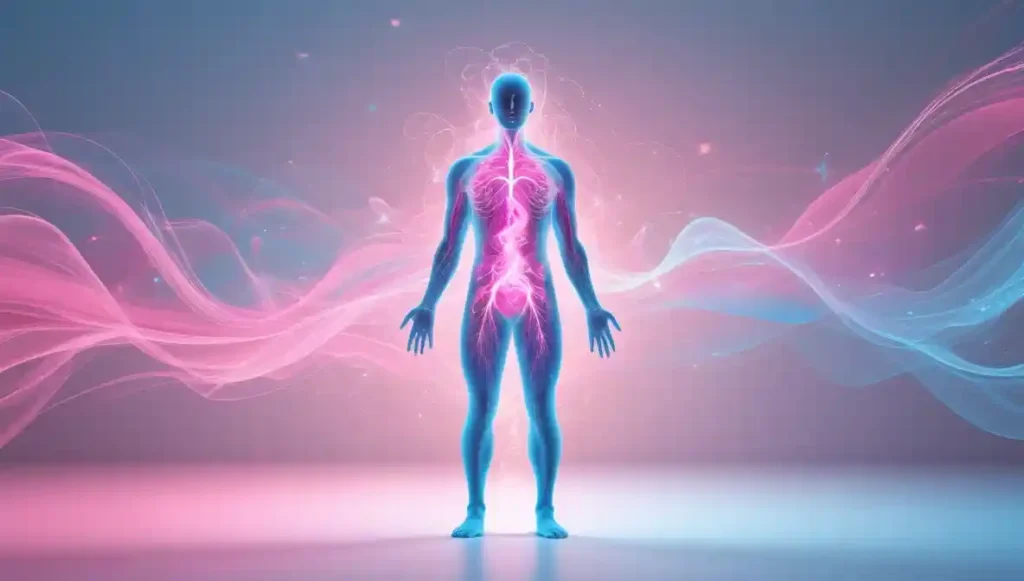
Floodlighting isn’t just “opening up fast.” It’s emotional dumping disguised as closeness. It’s the quiet way someone pours their entire emotional history on you before your mind has the chance to ask, “Wait… do I even feel safe here?”
Here’s why it tricks you:
- Your brain releases oxytocin during emotional conversations
- Your body reads vulnerability as danger or connection
- You start calming them instead of checking yourself
- You bond out of instinct, not intention
It’s a psychological shortcut—one your mind doesn’t always recognize. Floodlighting creates an illusion of trust because your nervous system is reacting like it should in moments of deep connection… except deep connection hasn’t actually been built.
You didn’t grow into closeness.
You collided with it.
Where Floodlighting Shows Up in Modern Dating (Especially Online)
In the past, intimacy took weeks or months.
Now? It takes a long text paragraph and a tired heart.
Floodlighting thrives in places where intensity feels normal:
- Dating apps: long emotional messages from someone you matched with two hours ago
- DMs and texting: “I feel like I can talk to you about anything” on Day 1
- Late-night conversations: when everything feels heavier and more meaningful
- Social media sharing: people revealing trauma publicly, hoping someone will hold it
Digital closeness is fast closeness.
And fast closeness is the perfect environment for floodlighting to bloom.
What makes it confusing is that modern dating encourages this intensity. We reward vulnerability, we praise openness, we want “deep conversations”—but not like this. Not at the cost of your safety.
When Floodlighting Crosses the Line From Sharing to Emotional Ambush
There’s a moment—a shift—you can almost feel in your chest when sharing becomes dumping.
It happens when:
- They share something heavy and expect you to hold it
- You feel afraid to step away because they might “need you”
- You sense the conversation isn’t about connection, but about intensity
- You leave feeling emotionally responsible for them
Floodlighting becomes an ambush when it corners you emotionally.
When you feel guilty for not responding.
When you feel like you’ll hurt them if you set boundaries.
When you feel like the “connection” is too big, too heavy, too early.
It’s not love.
It’s pressure wearing soft clothes.
Why Floodlighting Works on Emotionally Intelligent, Self-Aware People (Not Weak Ones)
People often assume only “weak” or “naive” people fall for emotional manipulation. But that’s wrong—so wrong it’s almost cruel.
Floodlighting works best on:
- Empaths
- Deep feelers
- Good listeners
- Emotionally intelligent people
- People who understand pain
- People who know what loneliness feels like
It works on people who LOVE deeply—
not people who lack intelligence.
Floodlighting doesn’t fool your mind.
It fools your heart.
And a heart that loves hard is the easiest heart to overload.
How Floodlighting Creates a False Sense of Intimacy and Emotional Urgency
There is something almost addictive about emotional urgency. When someone is pouring their heart out, when their voice cracks, when they tell you something “no one else knows,” your whole body leans in. You want to help. You want to understand. You want to be the safe place they didn’t have.
But this is where the emotional trap tightens.
Floodlighting doesn’t give you the space to build intimacy—it forces intimacy. It makes your emotions sprint even when your logic is still tying its shoes. This sudden closeness tricks your brain into thinking a bond has formed, but that bond isn’t mutual. It’s constructed, not earned.
And the worst part?
You don’t realize it’s happening because emotional urgency feels a lot like emotional connection.
Until it doesn’t.
What Makes Floodlighting Completely Different From Healthy Vulnerability
Healthy vulnerability feels slow, warm, earned.
Floodlighting feels fast, heavy, and rushed.
Here’s the difference most people never see:
Healthy intimacy:
- grows through shared experiences
- comes with emotional consent
- respects your boundaries
- deepens naturally over time
Floodlighting:
- forces depth immediately
- skips emotional consent
- overwhelms your boundaries
- replaces pacing with pressure
Healthy vulnerability says, “I trust you, so I’ll share.”
Floodlighting says, “I need you, so I’ll unload.”
One builds connection.
The other manufactures it.
Who Uses Floodlighting and What It Reveals About Their Emotional Maturity
Not everyone who floodlights is manipulative.
Some people don’t even realize they’re doing it. But the pattern always reveals something important about their emotional world.
It often shows:
- Fear of abandonment: They rush closeness so you won’t leave.
- Attachment anxiety: Fast bonding makes them feel safer.
- Emotional instability: They mistake intensity for love.
- Unresolved trauma: Chaos feels familiar, so they recreate it.
- Lack of boundaries: They don’t know how to share in healthy ways.
- Narcissistic patterns: They pull you close to keep control.
Regardless of the reason, floodlighting always creates the same result:
You become responsible for their emotions before you know who they really are.
Where Floodlighting Leaves You Emotionally After the High Fades
The emotional crash after floodlighting is real.
Once the high settles, you’re left with a heaviness you can’t quite describe.
You may feel:
- emotionally exhausted
- guilty for wanting space
- confused about your own feelings
- obligated to maintain the intensity
- afraid that pulling back will “hurt” them
- unsure how the relationship got this deep this fast
What started as connection slowly turns into pressure.
You start asking yourself:
“Why do I feel responsible for this person?”
“Why do I feel tired after talking to them?”
“Why do I feel trapped in a relationship that barely started?”
Those feelings aren’t random.
They’re the aftershocks of emotional flooding.
When You Should Pull Back—and How to Do It Without Feeling Cruel
Pulling back isn’t abandonment.
It’s self-protection.
But people caught in floodlighting often struggle with this because the guilt is so heavy. You don’t want to hurt them. You don’t want to seem cold. You don’t want to be the “bad person.”
But here’s the truth:
If someone needs constant emotional intensity to feel close to you, they’re not choosing you—they’re using your emotional energy to regulate themselves.
How to pull back gently:
- Slow your replies.
- Don’t match their emotional depth.
- Say, “I need to take things a little slower.”
- Set emotional timing boundaries.
- Watch how they respond to the slower pace.
Healthy people adjust.
Floodlighters escalate.
And that response tells you everything.
Why Understanding Floodlighting Helps You Build Safer, Slow-Growing Love (Conclusion)
When you understand floodlighting through the simple lens of who, what, where, when, why, and how prime keywords, you finally see why it feels so much like love—and why it isn’t. It’s not the intimacy that binds you. It’s the speed. It’s the emotional urgency. It’s the pressure that sneaks in disguised as vulnerability.
You begin to understand:
Who uses floodlighting—people who fear slow connection.
What it really is—emotional overload, not closeness.
Where it appears—in early dating, digital threads, late-night talks.
When it becomes dangerous—when your boundaries shrink.
Why it works—because your heart reacts faster than your mind.
How it traps you—by making you responsible for emotions that aren’t yours.
Once you see floodlighting for what it truly is, you stop confusing emotional chaos with emotional chemistry. You stop letting people pull you into intensity before you’re ready. You stop calling pressure “love.”
And for the first time, you start choosing connection that feels steady, safe, mutual, and real.
Disclaimer: This post is for informational and emotional support purposes only. Every relationship is unique, and this is not professional legal, medical, or mental health advice. Read our full disclaimer.
Affiliate Disclosure: Some links in this post may be affiliate links. If you make a purchase through them, I may earn a small commission at no extra cost to you. Learn more here.
Pingback: Psychology Behind Floodlighting in Dating | Guide - Love and Breakups