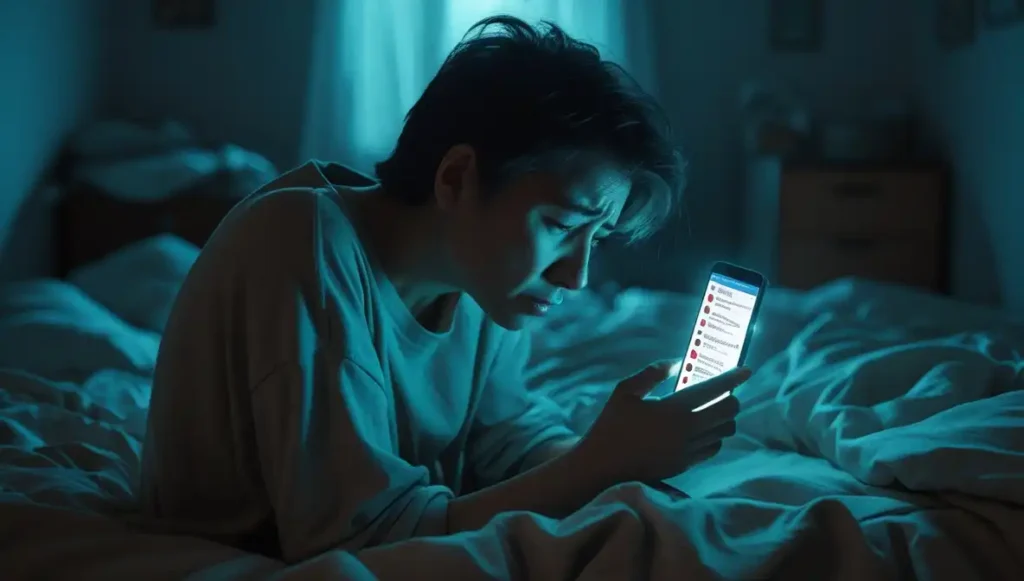
Let’s be real—dating feels impossible right now. Everyone’s saying it, but nobody’s explaining why. It’s not just you. Something genuinely broke between 2015 and 2025. What used to be about connection now feels like a full-time job—with rejection as your paycheck. The world changed, the apps changed, and the people inside them changed too. Here’s what really happened to modern dating—and why finding love now feels like trying to win a game that keeps changing the rules.
The Algorithm Killed Your Chances (And You’re Paying For It)
Dating Apps Aren’t Designed to Get You Off Them
Back in 2015, Tinder was exciting. You matched, you talked, you met for drinks. Now, it feels like shouting into the void. That’s not an accident.
Dating apps like Tinder, Hinge, and Bumble make money when you stay single. Every swipe trains their algorithm to keep you coming back for that next little dopamine hit. They even rank you with a hidden “desirability score”—a number you’ll never see but that decides who actually sees you.
That’s why your matches exploded in week one, then dried up overnight. The app learned who you are, boxed you in, and started showing you to fewer people—unless, of course, you pay to be “seen.”
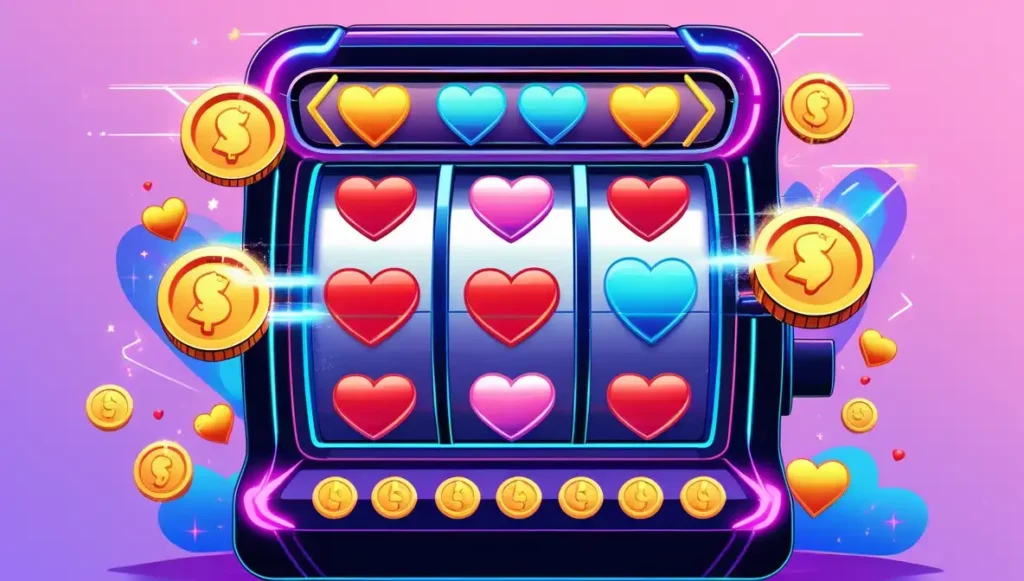
Super Likes. Boosts. Premium visibility. You’re not just dating—you’re playing a slot machine with your heart and wallet.
You’re Competing With People Who Don’t Exist
Half the profiles you see aren’t even real. Some are bots pushing OnlyFans or crypto scams. Others are abandoned accounts from 2022. Many people are using AI-enhanced photos that make them look five years younger and five leagues hotter.
You’re not losing the game—you’re playing against ghosts.
This fake “abundance” creates the illusion of endless choice. Women get flooded with matches that go nowhere. Men barely get seen. It’s not a paradox of choice—it’s a paradox of fake choice.
You scroll through hundreds of faces, but how many of them are actually there? Maybe three. Maybe none.
Nobody Knows What They’re Looking For Anymore
The “Situationship” Economy
Once upon a time, people dated with intention. Now it’s “let’s see where it goes,” which is code for “I want a connection without accountability.”
Commitment feels like a trap to both sides. Everyone’s afraid of missing out, getting hurt, or wasting time. The phrase “what are we?” now feels like starting a fight instead of starting a future.
It’s not that people don’t want love—they just don’t want to risk it.
Everyone’s Shopping, Nobody’s Buying
Dating apps turned people into products. Swipe left, swipe right, next-day delivery of dopamine.
You can “filter” humans now like you do on Amazon: height, age, job, location. The second someone says something awkward, you toss them back into the cart and go shopping again.
The constant temptation of “someone better” has made them feel financially irresponsible. Why settle when you can browse?
But here’s the truth—FOMO has ruined more relationships than cheating ever did. Because when you treat people like options, nobody feels chosen.
For Men: You’re Playing a Game Nobody Explained
The Numbers Are Brutal (Let’s Be Honest)
Here’s the data: In 2024, studies showed that 80% of women were matched with the top 20% of men. That means 80% of men are fighting for the scraps—and most don’t even realize it.
“Just be confident” doesn’t help when the system’s stacked. You’re expected to be funny, successful, emotionally available, and humble—all while competing with filtered six-packs and chatbots trained on flirty scripts.
Rejection isn’t rare anymore. It’s daily. And when you’ve been swiped left 200 times in a row, your brain starts believing you’re invisible. That messes with you in ways therapy can’t fully fix.
Emotional Illiteracy Is Catching Up
Men were told for decades to “man up” and not feel too much. Now, women expect emotional fluency. They want someone who’s done “the work.”
But the language changed fast—therapy-speak became the new dating dialect. Phrases like “attachment style,” “emotional availability,” and “trauma response” are standard now.
Many men feel like they showed up to an exam nobody told them existed. “I don’t know what I’m feeling” doesn’t fly anymore. The emotional gap between what men were taught and what’s expected now is massive—and it’s one big reason dating feels impossible right now.
For Women: Too Many Options, All of Them Exhausting
The Safety Calculation Before Every Date
Every time a woman goes on a date, there’s a risk assessment running in her head.
Is he safe?
Should I share my real name?
Do I tell a friend where I’m going?
It’s the mental load that wasn’t this heavy ten years ago. Meeting strangers used to feel exciting. Now it feels like a potential headline.
Even the simple act of saying yes to dinner can feel like an act of courage.
Doing All the Emotional Heavy Lifting
Women are tired. Tired of being therapists, moms, and girlfriends rolled into one. Tired of holding up the entire emotional infrastructure of a relationship while still being told they’re “too much.”
You start to feel like you’re interviewing applicants for a position nobody really wants. You carry every conversation. You text first. You follow up.
Breadcrumbing. Ghosting. Orbiting. Words that shouldn’t even exist became your normal vocabulary.
Dating feels impossible right now because it’s not a partnership anymore—it’s project management.
Why Dating in Your 30s Hits Different
Everyone Good Is Taken (Or Broken)
The “leftovers” myth hurts, but sometimes it feels true.
By your 30s, people come with history—sometimes a divorce, sometimes a scar they never healed from. Dating divorced people isn’t the same as dating someone who’s never been in love. Everyone’s carrying something.
The baggage isn’t cute anymore—it’s U-Haul-sized.
And the pool? It’s smaller, shallower, and murkier. The energy shifts from “finding love” to “avoiding disaster.”
You Know Too Much Now
Ignorance was bliss in your 20s. You saw red flags and thought, “I can fix that.” Now, every flag is a dealbreaker.
You’ve watched relationships crumble, maybe lived through one ending yourself. You know how hard it is to rebuild. So you hesitate. You protect your peace.
But that same wisdom that keeps you safe also keeps you single. Because the more you know about people, the harder it is to believe one could be right for you.
The Real Reasons It’s Harder to Meet Someone IRL
Third Places Disappeared
There used to be magic in random moments. You’d bump into someone at a coffee shop, chat at a bookstore, flirt at a party. Now, every public space feels closed off.
Coffee shops are filled with laptops and headphones—no eye contact, no small talk. Gyms? Everyone’s wearing AirPods and filming their reps. Bars are expensive, loud, and full of people staring at their phones or their own reflections.
The “third places” between home and work—the ones where people used to naturally meet—are disappearing.
And the cruel twist? We still crave connection as much as ever. We just don’t have the places for it anymore.
Social Skills Atrophied During the Pandemic
Lockdowns didn’t just kill plans—they rewired our brains.
Two years of isolation taught us to connect through screens. Texting became easier than talking. Swiping felt safer than approaching. But when the world reopened, most people never fully came back socially.
Now, trying to flirt in person feels like a social crime. You second-guess every glance, every compliment. Nobody wants to be “that creepy person,” so everyone stays silent.
We forgot how to start things organically. The muscle for real connection atrophied—and dating apps filled the gap. But they never replaced the chemistry that happens in real life.
What If You’re Actually Fine and Dating Is Just Broken?
Stop Blaming Yourself for Systemic Problems
You’ve probably blamed yourself at some point:
“My profile must suck.”
“I’m not attractive enough.”
“I must be doing something wrong.”
But here’s the truth—you’re not broken. The system is.
Modern dating apps are built like casinos. They’re meant to keep you swiping, not connecting. The reward system isn’t love—it’s validation. Every match, every like, every chat that goes nowhere still feeds the loop.
So when people tell you to “just work on yourself,” it can sound like gaslighting. Yes, growth is good. But no amount of meditation, skincare, or gym time can fix an industry that profits off loneliness.
Sometimes, “self-improvement” becomes another way to delay the pain of realizing how unfair this system really is.
What Actually Works in 2025
Let’s skip the fluffy advice and get honest. Here’s what still works now:
1. Volume + Patience.
Dating is a numbers game again. Not romantic—but real. You’ll have to meet more people to find your person. The difference now is emotional endurance, not luck.
2. Meeting People Through Hobbies.
The only real antidote to app fatigue is shared context. Join a running group, a pottery class, a dog meetup—something where connection happens by accident. It’s the last organic way left to date without pressure.
3. Lowering Stakes, Not Standards.
Stop treating every first date like an audition for marriage. Shift from “is this my forever person?” to “can we have a good hour together?” The pressure kills the fun—and the fun is where attraction lives.
4. Real Photos, Real Conversations.
The AI filters might win attention, but authenticity wins hearts. Use photos that look like you, and messages that sound like you. Being real is the new rare.
5. Offline Energy > Online Strategy.
When you invest in your real-world life—your interests, your social circle, your self-respect—you radiate something that algorithms can’t measure.
Dating still works for people who live, not just swipe.
Why This Hurts More Than It Used To
Connection Isn’t Just Missing—it’s Monetized
Love got commercialized. Every “connection” now has a subscription fee attached. Even loneliness got branded.
Dating apps market themselves as hope machines—“Find your person!”—but what they really sell is possibility. Not reality.
We used to fall in love slowly, through shared time and trust. Now, we chase spark and novelty. The slow burn doesn’t trend.
That’s why dating feels impossible right now. You’re not looking for attention—you’re looking for meaning. But the system you’re using was never built for that.
Why Dating Feels Impossible After 30 (The Emotional Side)
You’ve Changed—And That’s the Point
In your 30s, you’re not naive anymore. You know what heartbreak feels like. You’ve learned what peace costs. You’ve lost people, gained perspective, and realized love isn’t supposed to drain you.
That’s not cynicism—it’s growth.
You’re not harder to love. You’re just harder to fool. And that’s a good thing.
Dating feels impossible right now because you want something deeper—but the culture rewards shallow. You crave honesty—but everyone’s performing. You want connection—but most are still healing.
You’re not behind. You’re just ahead of the game emotionally.
H2: The Hope Nobody Talks About
There Are Still Real People Out There
For every ghoster, there’s someone texting back. For every fake profile, there’s someone equally tired of the bullshit.
They’re out there—just not scrolling as much anymore.
The people worth meeting are busy living. They’re reading, creating, hiking, cooking, healing. They’re rebuilding social muscle offline, and when they meet you, it’ll feel effortless.
Because genuine energy still finds its way—no algorithm required.
Conclusion: Dating Feels Impossible Right Now, But You’re Not the Problem
Dating is objectively harder than it was 10 years ago. The apps broke something sacred about human connection—and we’re all trying to fix it with half-charged phones and half-healed hearts.
But here’s what’s real: you’re not broken. You’re just trying to date in a system that forgot what love was supposed to be about.
Stop blaming yourself for the way the world changed. Focus on what you can control—your energy, your integrity, your effort.
Someone real will match that one day, offline or online. Until then, keep living fully. The more you do, the easier it becomes to spot what’s fake.
Because the truth is, dating feels impossible right now… but connection never will be.
CTA: What’s your worst dating app experience? Drop it in the comments—misery loves company, and honestly, you’re not alone in it.
FAQ Why dating feels impossible right now
Why Is Dating So Hard Right Now?
I used to think it was me. That I wasn’t attractive enough or interesting enough. But after years of trying every dating app under the sun, I realized—it’s not just me. Dating feels harder now because everything around it changed. The culture, the apps, the pace.
People don’t date with intention anymore. Everyone’s half-in, half-out—scrolling while watching Netflix, texting three people at once, saying they’re “open to something real” but ghosting the second it gets serious. It’s not that love disappeared—it’s that attention did.
How Do Dating App Algorithms Work in 2025?
Here’s what most people don’t know: your dating app has a secret rating system. The algorithm watches your swipes, your response time, even the kind of people who match with you.
When I joined Hinge again in 2025, my matches tanked after week one. Why? The algorithm decided my “engagement rate” was low because I didn’t pay for Boosts. Apps like Tinder and Bumble literally push paid profiles higher. It’s like being shadowbanned in your own love life.
So yeah, the system is rigged—to keep you swiping, not to help you find someone.
Why Is Online Dating So Exhausting?
Online dating feels like emotional cardio. You pour energy into endless small talk—“Hey, how’s your day?”—only to get ghosted mid-conversation. You start caring less, then feel bad for caring less.
After a few months, it starts to feel like you’re dating apps, not people. There’s no feedback loop, no closure, no warmth. Just dopamine spikes and long silences. It’s digital burnout disguised as connection.
What Safety Measures Do Modern Dating Apps Have?
I’ve noticed apps finally started adding safety layers—photo verification, location check-ins, AI filters for inappropriate messages. Some, like Bumble, let you send your date details to a friend directly from the chat.
But honestly? Women still carry most of the safety load. Before every date, I share my location with a friend, keep my own drink in hand, and meet in daylight. The anxiety doesn’t vanish just because an app added a “panic button.” Safety still feels personal, not platform-driven.
How Do AI and Gamification Impact Dating Apps?
AI changed everything. People use ChatGPT to write bios, generate flirty openers, even edit selfies. I once matched with someone who looked like a Pixar version of himself. When we met in person, I barely recognized him.
Apps now gamify attraction. You get streaks, badges, and ranking boosts. It tricks your brain into chasing validation instead of connection. It’s not love anymore—it’s level-ups.
Are Niche Dating Apps More Effective?
I tried one for book lovers and another for introverts. The experience was calmer, slower, and surprisingly more human. Niche apps attract people who know what they want—and that focus cuts through the chaos.
They don’t have the same user base as Tinder, but that’s the point. Smaller pond, fewer games, better matches. Sometimes, less noise means more clarity.
How to Avoid Dating App Burnout in 2025
Here’s what finally helped me: deleting apps one weekend a month. I call it a “romantic detox.” No swipes, no checking messages. Just reconnecting with real life.
When I came back, I stopped chasing validation and started treating apps as introductions—not outcomes. You don’t need to be online all the time to find something real. You just need to stay grounded in who you are when you are online.
What Are the Signs of a Genuine Match on Apps?
You can feel it in the effort. A genuine person asks questions, remembers your answers, and doesn’t push for instant gratification.
The biggest green flag? Consistency. When someone’s energy doesn’t fade after three days. I’ve had conversations where I could sense the difference—someone texting because they want to, not because they’re bored.
Trust the vibe. It rarely lies.
How to Meet People Offline After Online Dating Fatigue
After my worst burnout phase, I started saying yes to offline life again—painting classes, dog parks, open mics. I met more interesting people in one month offline than in six months of swiping.
There’s something about real eye contact that resets your brain. No filters, no algorithms, just human energy. The key isn’t deleting apps—it’s diversifying how you connect.
Can Dating Apps Build Long-Lasting Relationships?
Absolutely—but not if you treat them like vending machines. My best friend met her husband on Hinge. They both deleted the app after their first date.
What worked? Honesty. Patience. Talking like humans, not profiles.
Apps can start love stories—but the real connection happens after you log off.
Final Thought:
Dating feels impossible right now because it’s too optimized for attention and not enough for authenticity. But love still finds its way through the noise—usually when you stop trying so hard to force it.
If you’re exhausted, take a breath. The right person isn’t just a swipe away—they’re living their life, just like you, trying to stay hopeful in a world that forgot how to slow down.
Disclaimer: This post is for informational and emotional support purposes only. Every relationship is unique, and this is not professional legal, medical, or mental health advice. Read our full disclaimer.
Affiliate Disclosure: Some links in this post may be affiliate links. If you make a purchase through them, I may earn a small commission at no extra cost to you. Learn more here.
Pingback: Slow Dating vs Fast Swiping: Rise of Meaningful Connection - Love and Breakups
Pingback: Ghostlighting in Gen Z: Manipulation in Modern Dating” - Love and Breakups