
The moment you start wondering What to Do When You Suspect Floodlighting, you’re already feeling something your intuition recognized before your mind could name it. Floodlighting always begins as a rush—an emotional storm disguised as closeness. Someone opens up fast, too fast, and suddenly you’re carrying pieces of their life you never asked to hold. You feel honored, chosen, needed… until the weight settles, and you realize you’re not being pulled into intimacy—you’re being pulled into intensity. And that intensity is starting to feel less like connection and more like pressure.
You’re not imagining it.
You’re not overreacting.
Your body is whispering the truth your heart is trying to ignore.
What Does It Mean to Understand What to Do When You Suspect Floodlighting?

Before you know what action to take, you need to understand why the experience feels so overwhelming. Floodlighting is an emotional shortcut—someone else’s vulnerability falling onto you before trust, safety, or pacing have formed. They reveal too much too soon, not because they’re deeply connected to you, but because they’re deeply disconnected from themselves.
Recognizing this pattern means noticing:
- when the conversations feel “deep” but also strangely rushed
- when you feel responsible for someone you barely know
- when their stories are heavy enough to leave you drained
- when you sense that saying “I need space” might upset them
This is the first step:
moving from confusion to clarity.
Why Emotional Intensity Can Trick Even the Strongest Person
Emotional flooding doesn’t target the weak—it targets the empathetic. You can be smart, grounded, and self-aware, and still get swept into someone’s emotional urgency. That’s because your brain doesn’t measure time when vulnerability is involved. It reacts to intensity the way it reacts to intimacy.
That’s why it felt real.
That’s why it felt deep.
That’s why you didn’t question it immediately.
The psychology behind this is simple yet powerful:
- Your nervous system mirrors emotional energy.
When someone shares trauma, pain, or fear, your body treats it as a moment of connection—even if it’s too early. - Your compassion becomes your weakness in their hands.
Instead of giving you space, they feed off your empathy. - Intensity creates a false sense of bonding.
It isn’t chemistry—it’s emotional overload.
You weren’t blind.
You were overwhelmed.
Where Floodlighting Usually Shows Up First in Dating
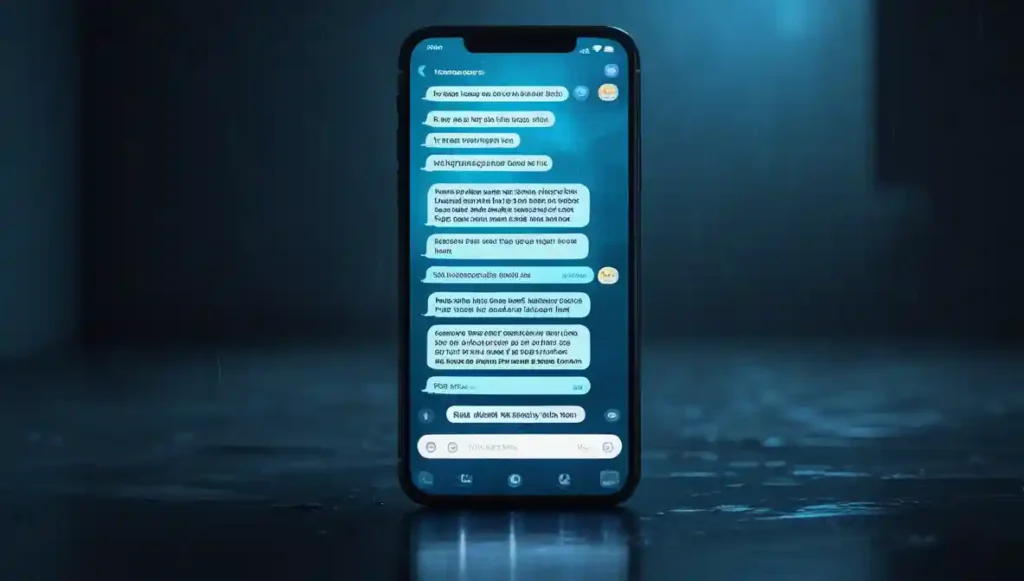
Floodlighting rarely begins in the obvious places. It shows up in the soft corners of early conversations—late-night texts, long emotional messages, “you’re the only one I can talk to” confessions, and sudden trauma stories. It arrives in the dark hours when you’re tired enough to listen deeply and open-hearted enough to feel responsible.
Look closely at the moments where the pace accelerates:
- In texting: emotional paragraphs sent before your second date
- In calls: hours-long conversations that feel too deep for week one
- In social media: voice notes or DMs that sound like therapy sessions
- In early dates: their life story unfolding before you can even share your favorite color
Floodlighting shows up where boundaries are soft and connection feels tempting.
When You Realize Something Feels “Off,” But You Don’t Want to Seem Cold
This is the hardest part:
the moment you feel overwhelmed but can’t explain why.
You don’t want to hurt their feelings.
You don’t want to seem rude.
You don’t want to feel like you’re abandoning someone who “trusted you.”
But here’s the truth you need:
You are not obligated to hold anyone’s emotional history just because they handed it to you.
You are allowed to step back.
You are allowed to slow down.
You are allowed to protect your emotional bandwidth.
Recognizing the discomfort doesn’t make you cold.
It makes you aware.
Why Your Body Knows the Truth Before Your Mind Does

Before your brain can analyze someone’s behavior, your body reacts. Floodlighting hits your nervous system like an emotional shockwave—too much, too soon, too heavy. You start feeling things you can’t articulate:
- a tightness in your chest during long messages
- confusion you can’t explain
- exhaustion after “deep conversations”
- anxiety when your phone lights up
- a strange pressure to respond immediately
Your body is not confused—
it’s protecting you.
Emotional overwhelm isn’t intuition failing.
It’s intuition screaming.
And your body always tells the truth before your thoughts catch up.
How to Slow the Pace Without Feeling Like You’re Hurting Them
The fear of seeming cold or dismissive is what keeps most people stuck. Floodlighters rely on your kindness—they know you won’t want to “abandon” someone who appears vulnerable. But slowing down does not equal cruelty.
You can slow the pace by:
- replying with more time between messages
- not matching their emotional depth
- redirecting conversations to lighter topics
- setting gentle boundaries like “I need time to process”
- taking breaks without explanation
Healthy people adjust.
Unhealthy people escalate.
How they react to your boundary tells you more than any confession ever could.

When Distance Reveals the Real Dynamic
Once you pull back, the truth surfaces quickly.
If it was genuine connection, they’ll give you space without panic.
If it was emotional dependence, they’ll:
- send long guilt-driven messages
- act abandoned
- escalate vulnerability
- try to re-pull you into intensity
- pressure you to respond “like before”
Distance exposes intention.
Silence reveals emotional maturity.
If someone can’t tolerate you slowing the pace, the relationship was never healthy to begin with—it was just loud.
What You Can Do to Protect Your Heart After Noticing the Pattern
This is where self-care becomes essential—not clichés, not bubble baths, but real emotional re-centering.
You protect yourself by:
- Reclaiming your time
Stop giving instant access to someone who overwhelms you. - Reconnecting with your intuition
Ask yourself:
Does this feel peaceful… or pressured? - Rebuilding your emotional filter
Not everyone deserves full access to your empathy. - Reinforcing your boundaries
You’re not rejecting them; you’re respecting yourself. - Talking to grounded people
Sometimes a friend can see clearly what you’ve normalized.
Your emotional safety matters more than someone else’s emotional speed.
Where You Go From Here—Choosing Clarity Over Intensity
Intensity feels powerful, but clarity feels peaceful. The next step is deciding what kind of connection your heart can sustain without losing itself.
Choose the connection where:
- you don’t feel rushed
- you don’t feel responsible for someone else’s healing
- you don’t feel overwhelmed
- you don’t feel guilty for needing space
- you don’t feel like you’re drowning in emotions you didn’t create
Intensity burns fast.
Clarity builds slow.
And slow is where real love grows.
Conclusion
Understanding What to Do When You Suspect Floodlighting helps you step out of emotional urgency and back into your own pace. You deserve connections that feel safe, steady, mutual, and calm—not ones that consume your heart before you even have time to trust it. When you honor your boundaries, listen to your body, and move slowly, you protect your peace and open the door to relationships rooted in genuine intimacy—not emotional overwhelm.
Disclaimer: This post is for informational and emotional support purposes only. Every relationship is unique, and this is not professional legal, medical, or mental health advice. Read our full disclaimer.
Affiliate Disclosure: Some links in this post may be affiliate links. If you make a purchase through them, I may earn a small commission at no extra cost to you. Learn more here.
Pingback: Protect Yourself From Floodlighting in Dating | Guide - Love and Breakups