
Ever find yourself deleting dating apps after one bad chat?
Canceling a date before it even happens?
Thinking, “Why bother? They’ll ghost me anyway”?
You might not be getting ghosted.
You might be ghosting yourself.
This is called self-sabotage in dating — when fear, doubt, or perfection make you pull away from real connection before it starts. It’s not about people rejecting you. It’s about how you protect yourself from something that might hurt — even when it could make you happy.
Let’s break this down in plain, honest language.
What Is Self-Sabotage in Dating and Why It Happens
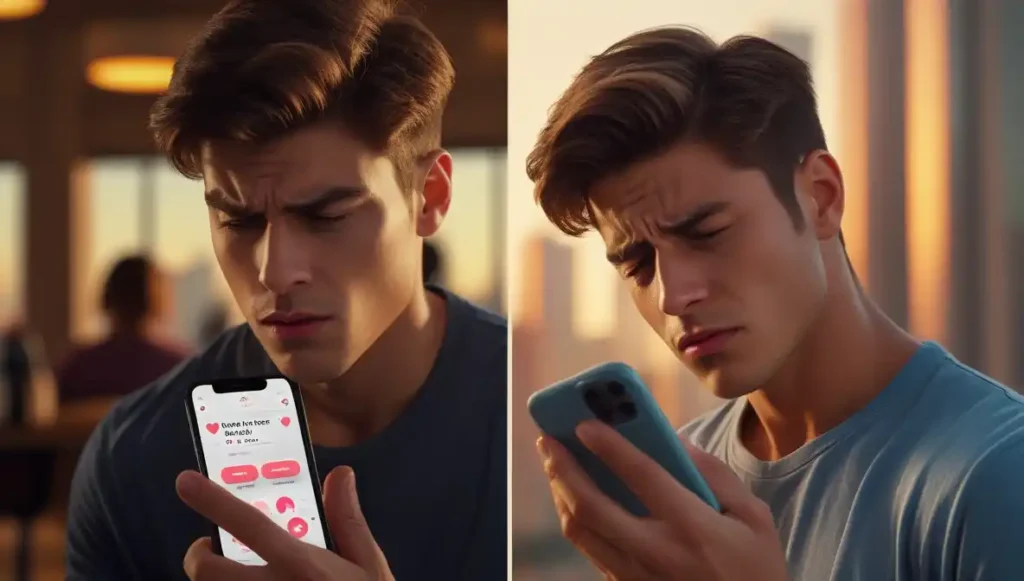
Self-sabotage in dating means stopping love before it even has a chance.
You might think you’re being smart or careful, but really, it’s fear running the show.
Here’s how it looks:
- You create distance when someone feels “too good to be true.”
- You tell yourself “It won’t last” before it even begins.
- You stay independent to avoid feeling vulnerable.
- You overthink every message until you lose interest.
- You set high standards that no one can meet — not even you.
Underneath all this is fear — fear of rejection, fear of being seen, or fear that love might fail again.
Many people who struggle with fear of intimacy in relationships or emotional avoidance in dating aren’t cold. They’re just scared to get hurt again.
Signs You Might Be Ghosting Yourself

You might not realize you’re the one doing the ghosting. Here are the quiet signs:
- You cancel or reschedule dates for small reasons.
- You lose interest when someone shows real effort.
- You delete your dating apps after one awkward chat.
- You tell yourself, “It’s pointless. No one serious is online.”
- You feel uneasy when someone actually likes you.
When I was 30, I did this all the time. If someone texted too quickly or seemed too available, I’d pull away. I told myself I wanted “mystery,” but truthfully, I was scared of being seen.
This kind of avoidance behavior in love can feel like protection. But it often becomes self-defense in disguise.
The Psychology Behind Self-Sabotage in Dating
Why do we do this — even when we say we want love?
Because the brain remembers pain. It tries to keep you safe. But sometimes, it confuses closeness with danger.
Here’s what usually causes it:
- Old wounds: Rejection or heartbreak in childhood or past relationships builds fear reflexes.
- Social media comparison: Seeing “perfect” couples online can make you feel like you’ll never match up.
- Perfectionism: You expect a flawless connection instead of a real one.
- Fear of failure: You’d rather quit early than risk being hurt again.
- Mixed signals: The brain says “love is safe,” but your emotions say “run.”
This is what experts call emotional triggers in love — automatic reactions that protect you but also block you from happiness.
Once you see the pattern, you can change it.
How to Break Free from Self-Sabotage Patterns
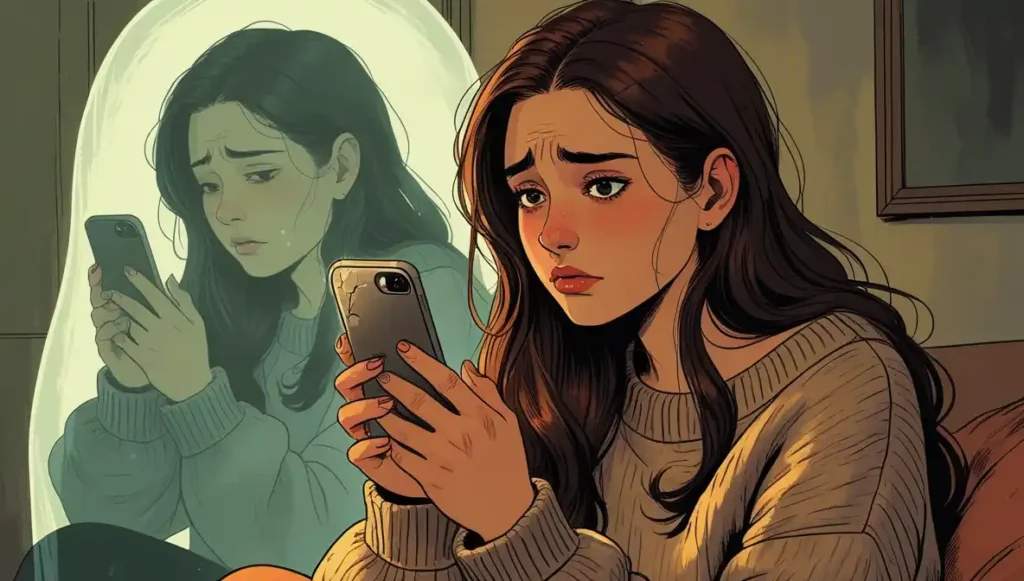
The good news? You can unlearn this. Healing self-sabotage in relationships doesn’t require perfection — only awareness and small daily choices.
1. Notice your patterns
Keep a journal. Write down what triggers you — maybe compliments, closeness, or commitment. Awareness is your first power move.
2. Reframe your thoughts
If you think, “I’m not lovable,” ask: Is that fact or fear?
Challenge your brain with truth. You are learning, not failing.
3. Practice micro-vulnerability
Start small — reply to a message honestly, express gratitude, or share something real about your day. These tiny trust steps rebuild emotional safety.
4. Redefine rejection
Not everyone will connect — and that’s okay. Rejection isn’t proof of your flaws. It’s redirection toward someone more aligned.
5. Seek real support
Therapists, dating coaches, or conscious communication classes can help you understand your patterns deeper. Healing happens faster when you’re not doing it alone.
Think of this as learning emotional intelligence in dating — not to impress someone, but to stay true to yourself.
Real Stories of Overcoming Self-Sabotage in Dating
These stories are real and simple — like love should be.
Lena, 33:
“I used to cancel every date out of fear. My therapist helped me see I was afraid of being rejected first. When I finally showed up — nervous but honest — I met someone kind. We’ve been together two years.”
Ryan, 35:
“I thought I had ‘high standards,’ but I was really scared of being known. I worked on opening up slowly, not perfectly. That changed everything.”
Nina, 29:
“As a busy professional, I used to control everything — even love. When I let go of control and focused on connection instead of perfection, dating felt lighter.”
These real dating transformation stories prove that awareness beats avoidance. Every time you stop ghosting yourself, love moves closer.
Quick Truths: What Healthy Dating After Awareness Looks Like
Here’s what happens once you stop fighting yourself:
- Openness replaces avoidance. You reply, not run.
- Rejection stops feeling personal. You see it as part of the process.
- You lead with curiosity. You ask, not assume.
- Consistency builds attraction. No more games — just flow.
- Emotional safety becomes the new chemistry. You crave calm, not chaos.

That’s what real, emotionally mature dating looks like — connection over perfection.
Conclusion: Stop Ghosting Yourself — Let Love Meet You Halfway
Before you worry about being ghosted, ask if you’ve been the one disappearing.
Self-sabotage in dating isn’t weakness. It’s a protection pattern that used to serve you — but doesn’t anymore.
When you bring awareness to those patterns, you stop running from love and start walking toward it — calmly, confidently, and consciously.
The moment you stop ghosting yourself is the moment real love can finally find you.
5 FAQ Self-sabotage in dating.
1. What does self-sabotage in dating really mean?
Self-sabotage in dating means you somehow block yourself from love—often without realizing it. For example, I once stopped texting someone because I convinced myself “they’ll leave anyway,” so I pulled back before they could hurt me. Research shows that people with insecure attachment styles often engage in self-sabotaging behaviours in romantic relationships.
2. Why do I keep choosing people who aren’t right for me?
Good question. I used to pick partners who were emotionally unavailable because then I didn’t have to worry about them rejecting me—they were already “safe” to fail. Studies show self-sabotage often shows up as choosing unsuitable partners or avoiding someone who offers genuine care.
3. What are some hidden signs I’m sabotaging my own dating life?
Here are signs I recognised in myself: I cancelled plans last minute because I feared “what if it flops”; I pulled away when someone started caring; I convinced myself “it’s not that serious” when things were going okay. Research lists similar behaviours: emotional withdrawal, constant overthinking, avoiding intimacy or commitment. Psychology Today
4. Is the reason I sabotage relationships linked to my past?
Absolutely. In my case, I’d grown up watching my parents argue and felt like closeness meant pain — so I avoided it as an adult. Empirical studies show unresolved childhood rejection or insecure attachments frequently underlie self-sabotaging patterns in adult relationships. Psychology Today+1
5. How can I break the pattern of self-sabotage in dating?
Here’s what helped me: I started journaling my triggers (e.g., “I feel safe so I’m going to mess this up”), I challenged thoughts like “I don’t deserve a good partner,” I practiced opening up even a little rather than shutting down. Research suggests these steps — awareness, reframing fear, building emotional trust — all matter in healing.
Disclaimer: This post is for informational and emotional support purposes only. Every relationship is unique, and this is not professional legal, medical, or mental health advice. Read our full disclaimer.
Affiliate Disclosure: Some links in this post may be affiliate links. If you make a purchase through them, I may earn a small commission at no extra cost to you. Learn more here.
Pingback: 7 emotional milestones dating after a big breakup to help you heal. - Love and Breakups