
Learning How to Recognize Floodlighting Before It’s Too Late begins with noticing the tiny emotional misalignments that your heart feels long before your mind can name them. Floodlighting doesn’t show up like a classic red flag—it arrives disguised as connection. Someone opens up fast, shares deeply, leans in emotionally, and you mistake the intensity for sincerity. You think you’re finally experiencing the kind of closeness you’ve been craving, but what’s actually happening is that your boundaries are being softened by emotional speed.
It feels flattering.
It feels mysterious.
It feels rare.
And that’s exactly why it’s dangerous.
Floodlighting seduces your empathy before your logic has a chance to speak.
What Does “How to Recognize Floodlighting Before It’s Too Late” Really Mean in Early Dating?

Recognizing floodlighting isn’t about paranoia—it’s about pacing. Real intimacy builds slowly, with space to think, breathe, observe, and choose. Floodlighting replaces that space with emotional urgency. Someone tells you their trauma, their heartbreaks, their secrets, their wounds—before you even know who they truly are.
You find yourself thinking:
- “They really trust me.”
- “This connection feels different.”
- “It’s so rare to get this close so quickly.”
But floodlighting isn’t closeness.
It’s emotional acceleration.
The purpose?
To hook your heart before your boundaries have time to form.
Recognizing it early saves you from the confusion that comes later—when the intensity becomes expectation, the vulnerability becomes pressure, and the connection becomes heavy.
Why Fast Vulnerability Can Make You Miss Early Warning Signs
Floodlighting works because it mimics intimacy. When someone shares something raw early on, your guard drops. Your empathy activates. Your compassion opens wide. It becomes natural to care, natural to respond, natural to feel bonded—even if the relationship is barely formed.
But fast vulnerability isn’t depth.
It’s strategy.
You miss the warnings because:
- the emotional rush feels powerful
- their openness makes you feel special
- your instinct is to comfort, not question
- emotional stories create the illusion of trust
- intensity feels like meaning, even when it’s manipulation
It’s not your fault.
Human beings bond through shared emotion.
Floodlighters know this—even if they don’t consciously realize it.
When Oversharing Starts Feeling Like Pressure Instead of Connection

There’s a moment when something shifts. You can’t explain it, but you feel it. Their emotional confessions no longer feel tender—they feel heavy. Their late-night “I need someone to talk to” messages stop feeling intimate and start feeling obligatory. You notice your body tightening when you see their name on your phone.
That’s the turning point.
That’s when floodlighting stops looking like closeness and starts revealing itself as emotional overload.
You experience:
- exhaustion after talking
- guilt when you need space
- anxiety when they expect deep responses
- pressure to match their vulnerability
- fear of disappointing them
Healthy connection doesn’t create emotional fatigue.
Forced intimacy always does.
Where Floodlighting Often Appears First—In Words, Timing, and Emotional Rhythm
Floodlighting doesn’t arrive with a dramatic entrance. It slips quietly into your interactions.
It shows up:
- in long late-night messages full of trauma
- in sudden emotional confessions after a few days
- in deep conversations that feel too big for the stage you’re in
- in fast “soulmate energy” that feels strange but seductive
- in statements like “I’ve never told anyone this before”
- in emotional stories that come before emotional safety
Most people miss these moments not because they’re naive, but because they’re human. We all want connection. We all crave depth. Floodlighting weaponizes that longing by offering emotional intimacy long before it has been earned.
The more you understand the early signs, the more you protect your future self from being overwhelmed, confused, or tied to someone emotionally unstable.
Who Is Most Vulnerable to Floodlighting and Why Sensitive Hearts Get Pulled In
People who feel deeply are often the first to get swept into emotional intensity. Not because they’re naïve, but because they’re open, empathetic, and willing to hold space for others. Floodlighters sense that softness—they lean into it, pour into it, and rely on it.
You’re vulnerable if you:
- respond quickly to emotional need
- feel responsible for other people’s feelings
- confuse early vulnerability with a real bond
- have an anxious or hopeful attachment style
- crave connection after being emotionally starved
Floodlighting doesn’t pull in weak people.
It pulls in kind people.
And kindness, when unprotected, becomes a doorway for emotional overwhelm.
How Your Body Warns You About Floodlighting Long Before Your Mind Understands

Before you can logically process what’s happening, your nervous system reacts. Your body knows when something is moving too fast, too heavy, too intense.
The signals feel like:
- a tightness in your chest during deep conversations
- exhaustion after every call or message
- a strange pressure in your stomach
- a guilty feeling when you want space
- a sense that you need to “keep up” emotionally
- tension right before they text or message you
These sensations are not overreactions.
They are warnings.
Your body is trying to protect you from emotional speed that your heart can’t sustain.
When you ignore these signals, you step into relationships that drain you instead of nourish you.
Why Trauma Shared Too Early Should Be a Pause, Not a Bond
Floodlighting often comes wrapped in trauma stories. The emotional weight of their wounds hits you before you’re ready, and you feel compelled to comfort, support, or “be there” for them.
But early trauma sharing isn’t intimacy.
It’s emotional pressure.
When someone tells you their deepest pain before you’ve built trust:
- they bypass boundaries
- they force you into an emotional role you didn’t agree to
- they expect emotional depth that isn’t natural for the stage
- they hook your empathy instead of your heart
Real vulnerability grows slowly.
Early trauma dumps are not vulnerability—they’re a warning.
If someone needs to unload their entire emotional history on you immediately, they’re not seeking connection—they’re seeking a container.
And that container becomes you.
What Healthy Vulnerability Looks Like Compared to Floodlighting’s Emotional Rush
To recognize unhealthy patterns, you must understand what healthy intimacy looks like:
Healthy vulnerability is:
- paced
- reciprocal
- grounded
- mutual
- emotionally safe
- appropriate for the stage
Floodlighting is none of these things.
Floodlighting is:
- rushed
- one-sided
- overwhelming
- emotionally demanding
- boundary-pushing
- too deep, too fast
Healthy connection feels like ease.
Floodlighting feels like obligation masked as closeness.
Knowing the difference protects your heart.
How Micro-Boundaries Can Stop You From Being Pulled Into Emotional Overload
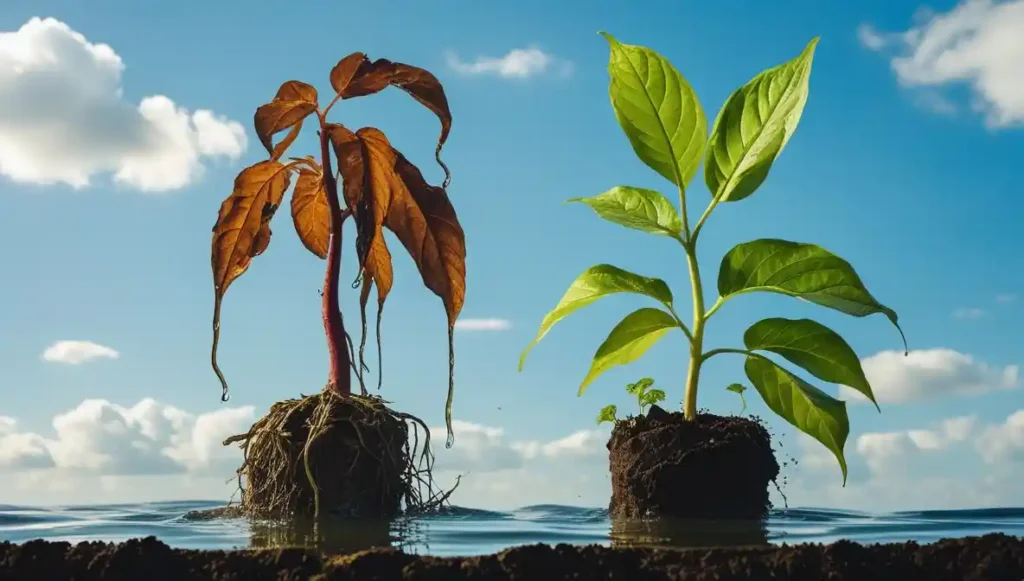
You don’t have to cut the person off immediately. You simply need to slow the pace and create emotional breathing room.
Micro-boundaries look like:
- taking longer to reply
- not matching their depth
- redirecting heavy conversations
- ending calls earlier
- saying “I need to process this”
- keeping your emotional space intact
Healthy people respect these boundaries.
Unhealthy people push harder.
The moment you set a limit, you’ll see their true intentions.
Boundaries don’t ruin connections—
they reveal them.
Conclusion: Why Understanding “How to Recognize Floodlighting Before It’s Too Late” Protects Your Heart
Once you see the signs of emotional overload early, you stop confusing intensity with intimacy. Learning How to Recognize Floodlighting Before It’s Too Late gives you the emotional clarity to choose love that grows slowly, safely, and steadily. You start honoring your intuition, respecting your boundaries, and letting connection unfold in a way that feels calm—not consuming. And in that awareness, you reclaim your power, your pace, and your peace.
Disclaimer: This post is for informational and emotional support purposes only. Every relationship is unique, and this is not professional legal, medical, or mental health advice. Read our full disclaimer.
Affiliate Disclosure: Some links in this post may be affiliate links. If you make a purchase through them, I may earn a small commission at no extra cost to you. Learn more here.
Pingback: Recover Your Self-Worth After Being Floodlit - Love and Breakups