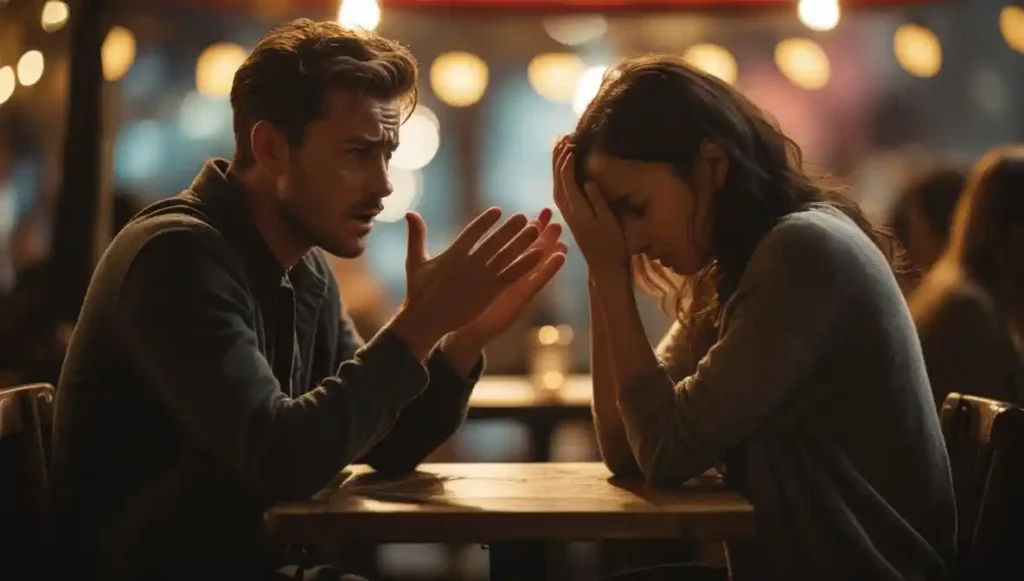
The Psychology Behind Floodlighting in Dating is unsettling because it shows how someone can make you feel seen, chosen, and emotionally important before they even know who you are. It feels like intimacy. It feels like connection. It feels like the beginning of something rare. But beneath that rush is a quiet truth: you’re not bonding—you’re being emotionally overwhelmed. Floodlighting doesn’t offer love; it offers impact. And most people don’t see the difference until their heart is already tangled.
It’s the kind of closeness that arrives too fast to question. You barely finish your first conversation, and suddenly you’re holding pieces of someone’s life you never asked for—painful pieces, heavy pieces, pieces that should have stayed private until trust had roots. Yet there they are, placed into your hands with the weight of a confession and the expectation of care. And somehow, without meaning to, you start carrying them.
That’s the danger.
Floodlighting doesn’t ask for permission.
It asks for your emotional availability.
What Is the Psychology Behind Floodlighting in Dating and Why Does It Trigger Instant Emotional Closeness?
The reason floodlighting feels like connection is because your nervous system responds to emotional intensity long before logic can step in. When someone reveals something raw or painful, your body reacts as if you’ve shared a meaningful experience together—even if the trust hasn’t been earned.
Emotional depth, when forced, mimics romantic chemistry.
Your heart thinks: “They’re opening up to me.”
Your brain thinks: “We’re bonding.”
Your intuition whispers: “Slow down.”
But the pace is too fast to hear that whisper.
Floodlighting works by creating:
- Artificial vulnerability that looks like intimacy
- Emotional urgency that feels like chemistry
- Intensity that your body mistakes for connection
- Pressure that makes you respond out of care instead of clarity
What you’re feeling isn’t love.
It’s psychological overstimulation dressed as closeness.
Why Does the Psychology Behind Floodlighting in Dating Lead People to Overshare Before Trust Is Built?

People who floodlight don’t always intend to manipulate.
Sometimes, they’re terrified of slow pacing because slow pacing feels like uncertainty. They want to be known immediately—not because they trust you, but because they fear they might lose you if they don’t create emotional gravity fast.
Oversharing becomes a shortcut to intimacy, a way of saying:
- “Don’t leave.”
- “Don’t pull back.”
- “Stay close to me.”
The psychological roots often lie in:
- Fear of abandonment
- Attachment anxiety
- Unresolved trauma
- Loneliness that feels unbearable
- A craving for instant validation
When someone feels empty inside, they reach for depth outside. And the fastest way to create depth is to spill vulnerability before trust has a chance to grow.
The tragedy is this:
Their oversharing feels like closeness to you, but to them it’s survival.
Who Becomes Most Vulnerable to the Psychology Behind Floodlighting in Dating and Why?
It’s not weak people who get pulled into floodlighting—it’s emotionally intelligent people. The ones who feel deeply. The ones who listen well. The ones who naturally want to help.
You become vulnerable because:
- You empathize quickly
- You understand emotional pain
- You know how to hold space
- You interpret vulnerability as honesty
- You’ve been lonely enough to welcome intensity
If you’re the kind of person who feels responsible for others, the floodlighter’s stories hit your heart like a hook. Not because you’re naive, but because you’re kind. You care. And caring is exactly what floodlighting feeds on.
Your compassion becomes the doorway.
Your tenderness becomes the tether.
Your heart becomes the place where their urgency lands.
And suddenly, you’re connected—
not by choice, but by emotional impact.
Where This Pattern Shows Up Most Clearly in Modern Dating
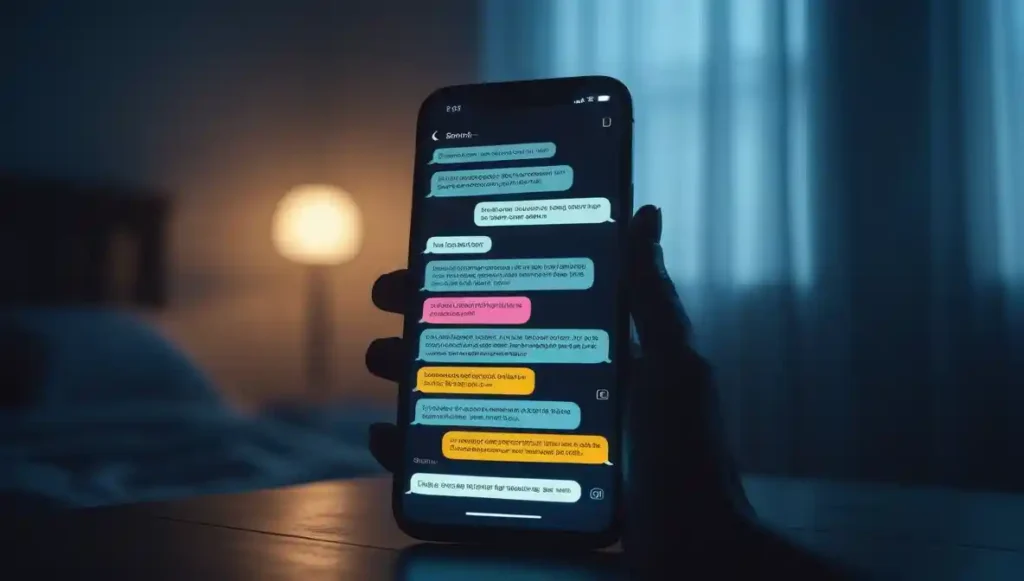
You don’t notice emotional flooding when life is calm.
You notice it when you’re vulnerable… or when the world around you makes intensity feel normal.
This emotional pattern shows up most in:
1. Online dating and DMs
Digital connection removes the natural slow pace of real life. A stranger can spill their entire life story in three paragraphs, and suddenly you feel woven into their world without ever meeting them.
2. Late-night conversations
Nighttime softens your guard. Everything feels deeper, heavier, more meaningful. Emotional dumping often hides inside this “nighttime closeness.”
3. The early talking stage
When you don’t know the other person yet, but their emotional reveals make you feel like you do.
4. Trauma-mirroring cycles
They sense your kindness and mirror your openness… except theirs is rushed, chaotic, and too heavy for the stage you’re in.
Modern romance rewards speed. Floodlighting takes advantage of that pace.
When Healthy Sharing Turns Into Emotional Ambush
The shift isn’t loud.
It doesn’t come with a warning.
It arrives quietly, in small moments that feel wrong in your body before your mind catches on.
It happens when:
- Their confessions grow heavier each time
- Your comfort becomes their expectation
- Silence feels like pressure, not peace
- Their emotional needs start eclipsing your own
- You feel guilty for wanting boundaries
The ambush is emotional, not aggressive.
They don’t shout. They don’t demand.
They simply place their pain in your hands faster than you can put your own feelings down.
Healthy sharing respects timing.
Emotional ambush ignores it.
Why Some People Push Intimacy Faster Than a Relationship Can Hold
Some people accelerate closeness because they don’t know another way to feel safe. They believe intensity equals connection, and connection equals “you won’t leave.”
Behind that rush is often:
- Anxious attachment
They fear you’ll lose interest unless they keep the emotions high. - A history of inconsistent love
They cling to anyone who gives attention because they’ve never known slow, steady affection. - Difficulty regulating emotions
Oversharing becomes their way of unloading heaviness. - A deep need to feel chosen
Fast intimacy feels like proof they matter.
What feels like romance is often someone trying to soothe their own fears with your emotional energy.
How Fast Disclosure Creates a False Sense of Soul-Level Closeness
Emotional depth feels like a shortcut to love.
When someone reveals their wounds early, it creates an illusion of intimacy—like you’ve been invited into a sacred space.
But fast closeness is performance, not connection.
It’s a psychological trick where your body reacts to emotional intensity the same way it reacts to genuine bonding.
You walk away thinking:
- “We really connected.”
- “No one has ever opened up like this.”
- “This feels special.”
But the bond is built on shock, not compatibility.
A soul connection isn’t created in one night.
It’s built over time, through clarity, consistency, and shared reality—not emotional overload.
What This Pattern Reveals About Someone’s Emotional Maturity
Oversharing too soon isn’t depth.
It’s often a sign of emotional immaturity—someone who never learned how to pace relationships or respect emotional boundaries.
It may reveal:
- Trouble tolerating uncertainty
- Impatience with slow intimacy
- A habit of using vulnerability as a shortcut
- Difficulty self-soothing
- A tendency to confuse chaos with closeness
Maturity knows how to wait—
how to let a relationship breathe, unfold, and slowly build roots.
Emotional immaturity tries to harvest the fruit before the tree even exists.
Why You Start Feeling Responsible for Them (Even When You’re Not)

This is where the emotional trap tightens.
When someone drops heavy feelings on you early, you become the person who “knows their pain.” Suddenly:
- You worry about their emotional state
- You fear hurting them by pulling back
- You feel guilty for needing space
- You step into a caretaker role without realizing it
- Your boundaries feel like betrayal
Your empathy becomes the hook.
Your warmth becomes the glue.
Your heart becomes the emotional container they never built for themselves.
You were never meant to carry their history—
but they made it feel like you had to.
How to Protect Yourself Once You Recognize the Pattern
You don’t need to run.
You don’t need to be cold.
You simply need to slow the pace and reclaim your emotional space.
Here’s how:
1. Create emotional distance
Not by disappearing—but by responding from clarity, not urgency.
2. Stop matching their depth
You are not required to “share back.”
3. Set gentle timing boundaries
“I want to get to know you slowly.”
This single sentence exposes the truth of the connection.
4. Pay attention to their reaction
A healthy person respects your pace.
An unhealthy one pushes harder.
5. Reconnect with your intuition
If your body feels tight, rushed, or overwhelmed, trust that signal.
Protecting yourself doesn’t mean rejecting someone.
It means respecting your emotional capacity.
Conclusion
Seeing the Psychology Behind Floodlighting in Dating clearly is the first step to protecting your heart from fast intimacy that was never meant to be real. Emotional intensity can feel like destiny, but pace reveals truth. When you slow things down, the right people remain—and the wrong ones fall away.
Disclaimer: This post is for informational and emotional support purposes only. Every relationship is unique, and this is not professional legal, medical, or mental health advice. Read our full disclaimer.
Affiliate Disclosure: Some links in this post may be affiliate links. If you make a purchase through them, I may earn a small commission at no extra cost to you. Learn more here.
Pingback: How to Recover After Being Floodlighted | Healing Guide - Love and Breakups