
The Moment Everything Clicked Into Place
I remember the exact night my stomach dropped.
It was 2 AM, and their story finally stopped making sense. One too many “working late” texts. One too many tilted-away phone screens. That quiet gut punch you feel before you even have proof—that’s your body screaming this isn’t right.
If you’ve ever felt that twisting feeling in your chest, that whisper saying, something’s off, trust it. It’s not jealousy—it’s data your heart already decoded.
I started noticing the tiny details:
- The sudden shower right after coming home
- The “business trips” that left calendar gaps too neat to be true
- The cologne that wasn’t mine lingering on their collar
I told myself I was overreacting. But deep down, I knew. When your intuition screams louder than their explanations, you’re already halfway to the truth.
I Thought We Were Exclusive, But I Was Just on the Schedule

At first, I didn’t realize I was sharing my partner.
I thought I was in love—turns out I was in rotation.
Tuesday and Thursday were “ours,” but weekends mysteriously disappeared. Their phone went silent after 9 PM, and social media became a blackout zone. I didn’t understand then that I wasn’t dating a person—I was dating a schedule they created to keep multiple worlds spinning.
If you’ve ever felt like an option instead of a priority, you know that slow ache. You tell yourself they’re busy. You try to be understanding. But the truth? You’re being breadcrumbed—kept close enough to not walk away, but never close enough to fully belong.
- The “I miss you” texts that never lead to plans
- The “busy” that always applies to your days, never theirs
- The stories that change depending on who’s listening
That’s not a relationship. That’s management.
I Finally Asked Myself Why They’re Playing Both Sides
When I stopped blaming myself, I started to see them clearly.
People who play both sides aren’t looking for love—they’re chasing a reflection. Each person they date becomes a mirror that feeds their ego.
They need validation from multiple places because one person’s love never feels like enough. It’s not romance—it’s consumption.
Here’s what I learned the hard way:
- Some people keep backups because they’re terrified of being alone.
- They say “I’m keeping my options open” like it’s maturity—but it’s fear.
- The thrill of new attention becomes their drug.
- They can’t build depth because they keep hitting “reset” when things get real.
It’s emotional immaturity wearing the mask of freedom.
I Realized They Think They Can Have It All
And you know why? Because I taught them they could.
Every time I forgave without change, I confirmed their power.
Every time I explained my hurt instead of walking away, I showed them they could disrespect me and still keep me.
They believed they could juggle lives because people before me let them. They’ve learned to compartmentalize—different stories, different people, zero overlap.
- “Work friends” who are really emotional stand-ins
- “Trips” that are secret weekends away
- “Boundaries” they only enforce when it benefits them
And the worst part? They get good at it. They test how far they can push until you stop pushing back.
I Heard the Words, But the Actions Didn’t Match
They said we were exclusive.
They said I was their person.
But love isn’t exclusive when it comes with fine print I never saw.
I was in a one-sided commitment, starring in a performance of loyalty they were only pretending to play. It’s what I now call exclusivity theater. They acted faithful long enough for me to believe it.
That’s when I fully understood what “They’re Playing Both Sides: Your Reality Check When Love Isn’t Exclusive” really means.
It’s that moment when you realize their version of love has clauses—unspoken, unfair, and entirely self-serving.
- They say “I love you,” but flirt like they’re single
- They promise future plans they never intend to keep
- They give you just enough to stay, never enough to feel safe
When someone’s actions and words live in different realities, love becomes confusion instead of comfort.
I Read the Texts I Wasn’t Supposed to See
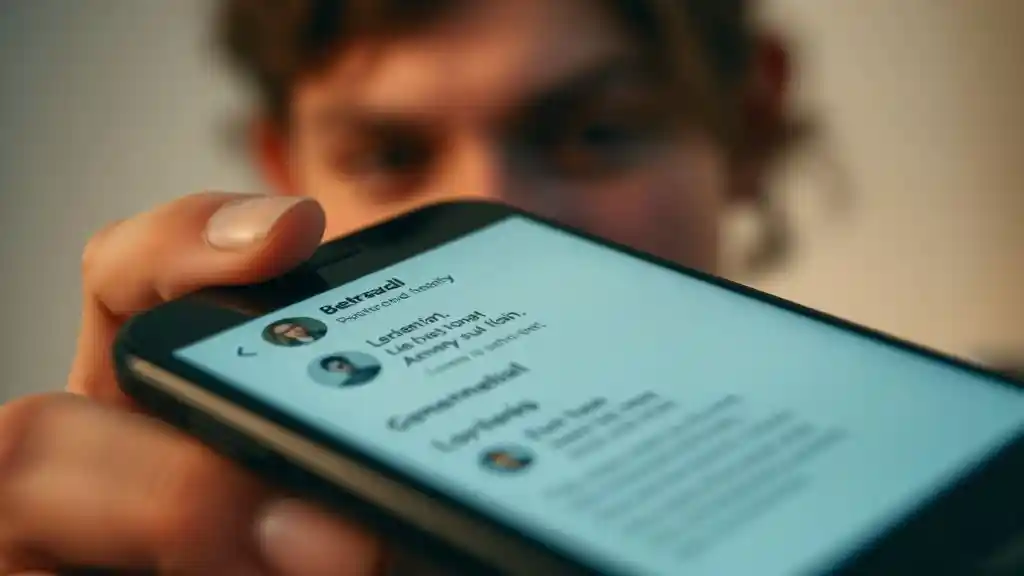
The proof finally arrived in a way I didn’t want.
It was a notification, a flash of a name I didn’t recognize, a thread I shouldn’t have opened but did.
The “just a friend” they mentioned? Turns out, they had inside jokes, late-night messages, and pet names that weren’t mine. Reading those texts felt like watching my own heartbreak typed in real time.
I wasn’t paranoid. I was participating in a story they were rewriting behind my back.
- Deleted messages that left digital bruises
- “Goodnight ❤️” sent to both of us within minutes
- Words recycled from our conversations into someone else’s
That’s when the illusion cracked for good.
I Learned That Polyamory Isn’t an Excuse for Betrayal
After getting caught, they tried to twist it—called it “ethical non-monogamy.”
But you can’t claim ethics after hiding the truth.
Real polyamory is built on consent, communication, and radical honesty. Cheating is built on secrecy, manipulation, and lies. Using progressive language to excuse betrayal is emotional gaslighting, not enlightenment.
I realized:
- Consent changes everything—mine was never asked for.
- Honesty is what separates structure from chaos.
- Accountability is what liars fear most.
If they had truly wanted a non-exclusive relationship, we could have built that together. But they didn’t. They wanted control without consequence.
I Found Out My Friends Knew and Said Nothing
The hardest part wasn’t even the betrayal—it was realizing who stayed quiet.
I replayed every moment in my head: the awkward smiles, the half-hearted reassurances, the way people changed the subject whenever I brought up their name.
Later, I learned the truth. They knew.
My so-called friends had seen the signs long before I did. But instead of warning me, they said, “It wasn’t my place.”
That phrase still haunts me. Because when you’re being lied to, silence isn’t neutral—it’s participation.
I started seeing the pattern clearly:
- Friends choosing comfort over honesty
- The “I didn’t want to get involved” excuse
- The loyalty crisis—protecting a cheater instead of protecting the one getting cheated on
If you’ve ever had to rebuild your social circle after betrayal, you know it’s like cleaning glass shards—you never realize how many small cuts it leaves. But one truth remains: silence from friends hurts almost as much as the lies from your partner.
I Realized My Worth Isn’t Up for Negotiation

After everything shattered, I sat alone in my room, scrolling through old photos I couldn’t delete yet.
That’s when I asked myself something no one had ever asked me: What do I actually deserve?
Because love shouldn’t make you beg. It shouldn’t make you compete.
It shouldn’t make you feel like being respected is a favor.
I learned that lowering my standards didn’t make me easier to love—it made me easier to disrespect. I had been accepting crumbs and calling it a meal.
These are the truths I wrote in my journal that night:
- I deserve a love that shows up every day, not just when it’s convenient.
- I deserve honesty without having to dig for it.
- I deserve someone whose “I love you” doesn’t have footnotes.
And I realized something powerful: self-worth isn’t arrogance—it’s survival. When you finally decide you’d rather be alone than be someone’s “maybe,” that’s the moment you start healing for real.
I Ended It Without Begging for Answers
People told me I needed closure. But I’d already lived through it.
Every unanswered text, every lie I excused, every night I cried myself to sleep—that was closure.
So, I didn’t wait for one last conversation.
I didn’t give them another stage to perform on.
I walked away mid-sentence, because my dignity wasn’t up for debate.
When you’re dealing with someone who plays both sides, asking “why” only feeds their ego. They’ll twist it, justify it, make you feel like it’s your fault. You’ll leave that talk more confused than before.
Here’s what I did instead:
- Blocked their number.
- Deleted our chats.
- Wrote a letter I never sent, just to release the weight.
The closure I needed lived in my decision to leave, not in their explanation. I finally realized I knew enough. I had seen enough.
I Questioned If I’d Ever Trust Again
After betrayal, the world looks different.
Even the good people start to feel like suspects.
You start checking phones, second-guessing texts, wondering if every “I love you” hides a lie underneath.
I went through that stage—hypervigilant, tense, scanning for danger in every new smile.
But I also learned that not every relationship after heartbreak is doomed. It just takes time.
Trust doesn’t magically come back—it has to be rebuilt, one careful step at a time.
Here’s what that looked like for me:
- I learned the difference between caution and self-sabotage.
- I stopped expecting new people to pay for someone else’s sins.
- I focused on trusting myself first—because once you trust your own judgment again, no one can play you twice.
Some people earn trust slowly. Some never will. And that’s okay. You don’t owe anyone immediate faith after being betrayed. You owe yourself safety first.
I Started Seeing the Pattern I Kept Ignoring
One night, I caught myself scrolling through old messages again, realizing this wasn’t my first time being treated like an option.
That’s when the hardest truth hit me: this wasn’t just about them. It was about me—and what I kept choosing.
Every time I ignored red flags, every time I tried to “fix” someone emotionally unavailable, I was repeating my own heartbreak.
It’s like my childhood blueprints were on replay—trying to win love from people who couldn’t give it. I had a “fixer” complex, drawn to broken people because healing them made me feel worthy.
But you can’t heal someone who doesn’t want to grow.
You can’t build peace in chaos.
The work begins when you choose different—even when “different” feels uncomfortable.
Here’s what helped me break the cycle:
- Naming my patterns out loud
- Writing down what healthy love actually looks like
- Catching myself when I start romanticizing potential over reality
Healing means choosing people who don’t require constant justification to stay. It means not mistaking intensity for intimacy.
I Learned What Healing Really Feels Like
Healing isn’t a glow-up montage. It’s messy.
It’s crying over memories you thought you were done with.
It’s blocking someone at 2 AM and feeling guilty for it.
It’s relearning how to wake up without checking your phone for their message.
But over time, something shifts.
You stop needing revenge. You stop wondering if they miss you. You stop explaining what they did wrong.
Because healing isn’t about getting even—it’s about getting free.
And one day, you’ll wake up and realize you went the whole day without thinking about them. That’s when you know you’ve started choosing yourself again.
I Faced the Mirror Before Facing Anyone Else
After everything fell apart, I realized the hardest person to rebuild trust with wasn’t them—it was me.
I doubted my judgment.
I replayed every sign I missed.
I kept asking, How could I not see it?
But self-blame only keeps you trapped. You can’t move forward if you keep punishing yourself for being human.
So, I started small. I listened to my gut again. I stopped explaining my feelings to people who made me question them.
Every time I trusted my intuition—and it proved right—I took back a piece of myself.
Because the truth is, when someone plays both sides, they don’t just steal your love. They steal your confidence in your own perception.
Getting that back is the real healing.
I Realized Forgiveness Wasn’t for Them—It Was for Me
People often say, “Just forgive them, so you can move on.”
But forgiveness isn’t a switch you flip; it’s a slow release of the weight you didn’t deserve to carry.
For a long time, I thought forgiving meant excusing what happened. But I learned forgiveness is really just closure with yourself.
It’s saying: I no longer want your choices to define my peace.
You don’t have to text them.
You don’t have to make it right.
You don’t even have to say the words out loud.
Forgiveness happens in the quiet moments when you stop replaying the betrayal in your head. It’s when their name finally stops ruining your day.
I Started Dating Again—But This Time, I Was Different
The first time someone new said, “You’re beautiful,” I didn’t believe it.
Not because I thought I wasn’t—but because the last person who said it also lied about everything else.
That’s what betrayal does. It makes love feel unsafe.
So I took it slow. I watched patterns instead of promises. I asked questions I used to be too scared to ask. And most importantly, I stayed curious—but cautious.
This time, I made sure to check how someone shows up when things aren’t easy. Because anyone can be loving in the beginning. The real test is how they treat you when they’re bored, stressed, or tempted.
And slowly, I began to trust again—not because I forgot the past, but because I finally trusted myself to walk away if the past repeated itself.
I Learned to Choose Peace Over Chaos
Peace felt strange at first.
No drama. No guessing. No decoding mixed signals.
It felt almost boring—until I realized boring is what stability feels like when you’ve only known chaos.
For so long, I mistook anxiety for chemistry. I thought passion meant arguing and making up. I thought love was supposed to hurt a little.
It’s not.
Peaceful love doesn’t make your heart race with panic—it makes it rest.
I started noticing how different life felt when I wasn’t waiting for the next lie. My skin cleared. I slept better. My laughter returned.
Peace became addictive in the best way.
I Found Strength in Walking Away
When you finally leave someone who’s playing both sides, it doesn’t feel powerful at first.
It feels lonely. It feels empty. It feels unfair that you’re the one in pain while they seem fine.
But strength isn’t about who cries less. It’s about who refuses to go back.
Leaving without closure taught me that my healing didn’t depend on their guilt—it depended on my boundaries.
Because when you choose yourself, you stop negotiating with people who never planned to choose you back.
And maybe that’s what real power looks like—quietly walking away, no explanation, no revenge, just peace.
I Became the Person I Needed Back Then
One day, I looked in the mirror and barely recognized myself—in the best way.
I wasn’t the girl waiting by the phone anymore.
I wasn’t the one defending lies or accepting half-love.
I was finally someone who trusted her own voice again.
Now, when someone shows mixed signals or avoids clarity, I don’t chase. I don’t decode. I don’t beg.
I simply say, “This doesn’t feel right for me,” and walk away.
Healing turned me into the person I always needed—the one who doesn’t confuse love with pain, or loyalty with self-abandonment.
I Finally Understood What “They’re Playing Both Sides” Really Means

Looking back, “They’re Playing Both Sides: Your Reality Check When Love Isn’t Exclusive” isn’t just a story about betrayal—it’s a story about awakening.
It’s realizing that sometimes, love isn’t lost—it’s just revealed for what it really was.
They played both sides because they could. Because I allowed confusion to live where clarity should’ve been.
But once you see it, you can’t unsee it.
That’s the gift hidden in heartbreak: the clarity to never repeat the same pain twice.
So if you’re reading this and you’re still stuck between knowing and doing, this is your sign—stop waiting for proof that hurts to be real. You already know enough.
Because when love isn’t exclusive, it’s not love—it’s strategy. And you deserve something real, not rehearsed.
Conclusion: The Reality Check You Needed
Healing after someone plays both sides isn’t about forgetting them—it’s about remembering yourself.
You’ll grieve the version of you that believed in them, but you’ll also meet a new version who believes in herself more.
You’ll stop checking their profile. You’ll stop re-reading messages. You’ll start living again.
And one day, you’ll smile—not because they came back, but because you finally stopped caring whether they did.
That’s when you’ll fully understand They’re Playing Both Sides: Your Reality Check When Love Isn’t Exclusive—it’s not a tragedy.
It’s a turning point.
You’re not their backup plan.
You’re not half-loved.
You’re the main story they’ll never get to rewrite again.
Disclaimer: This post is for informational and emotional support purposes only. Every relationship is unique, and this is not professional legal, medical, or mental health advice. Read our full disclaimer.
Affiliate Disclosure: Some links in this post may be affiliate links. If you make a purchase through them, I may earn a small commission at no extra cost to you. Learn more here.
Pingback: my boyfriend has a girlfriend: 72-Hour Action Plan - Love and Breakups