
You’re sitting on the couch. He’s crying again. And all you feel is… tired. Not sympathy. Not that urge to rush over and fix it. Just a deep, heavy kind of tired that makes you want to disappear into another room.
And then the guilt hits.
What kind of person doesn’t care when someone they love is hurting?
You start questioning everything. Maybe you’re broken. Maybe you’re selfish. Maybe you’re just a terrible partner who doesn’t know how to love right.
Here’s what nobody tells you: I feel crazy for wanting space in my relationship is one of the most common thoughts people have when they’re emotionally drained. And feeling it doesn’t make you a monster. It makes you human.
Why I Feel Crazy for Wanting Space

Most of us grew up learning that love means always being there. That if someone’s sad, you drop everything and help. That walking away—even for five minutes—means you don’t care.
If you’re naturally empathetic, this hits even harder. You’ve probably spent years absorbing other people’s feelings like a sponge. When your mom was stressed, you tried to cheer her up. When your friend had drama, you stayed on the phone for hours. You learned that your job was to fix emotional pain around you.
So when your partner cries and you just want to leave the room? It feels like betrayal. Like you’ve turned into someone cold.
But here’s the truth: feeling guilty for needing space doesn’t mean you’re selfish. It means you’ve been taught that boundaries are the same thing as abandonment. They’re not.
Understanding Emotional Burnout in Relationships
There’s this thing called compassion fatigue. It usually gets talked about with nurses or therapists—people who deal with trauma all day. But it happens in relationships too.
When someone leans on you emotionally over and over, and you’re always the one catching them, your system starts to overload. You can care deeply about someone and still run out of emotional gas.
Think of it like this: if you carried someone’s backpack for them every single day, eventually your back would hurt. You’d need to put it down. That doesn’t mean you hate them or their backpack. It means you’re a person with limits.
Emotional burnout in relationships shows up as:
- Feeling numb when your partner gets upset
- Avoiding conversations because you already know they’ll get heavy
- Wanting to be alone more than usual
- Feeling irritated by things that didn’t bother you before
- That blank stare when they’re crying, where you know you should feel something but you just… don’t
None of this makes you heartless. It makes you human and exhausted.

When Their Tears Trigger Numbness
So let’s talk about the hard part. When he cries and you don’t care.
That phrase sounds brutal, right? Like something a villain would say. But when you’re standing there watching tears roll down someone’s face and all you feel is empty, it’s terrifying.
Your brain isn’t being cruel. It’s protecting you.
When you experience too much emotional intensity for too long, your nervous system hits the brakes. It’s the same thing that happens to people in crisis situations—they go calm and detached because feeling everything would be too much to handle.
This is emotional shutdown. And it happens when you’ve been overwhelmed for so long that your body stops letting the feelings in. It’s not that you’ve stopped loving your partner. It’s that you’ve been running on empty and your system finally said “no more.”
Emotional detachment vs neglect is an important difference. Neglect is when you stop caring completely and check out of the relationship. Detachment is when you still care, but you physically can’t take on more emotion right now. One is a choice. The other is survival.
If you’re worried about which one you’re experiencing, ask yourself: Do you still want good things for your partner? Do you hope they feel better, even if you can’t be the one to help right now? If yes, that’s not neglect. That’s exhaustion asking for a break.
How to Set Boundaries Without Feeling Cruel
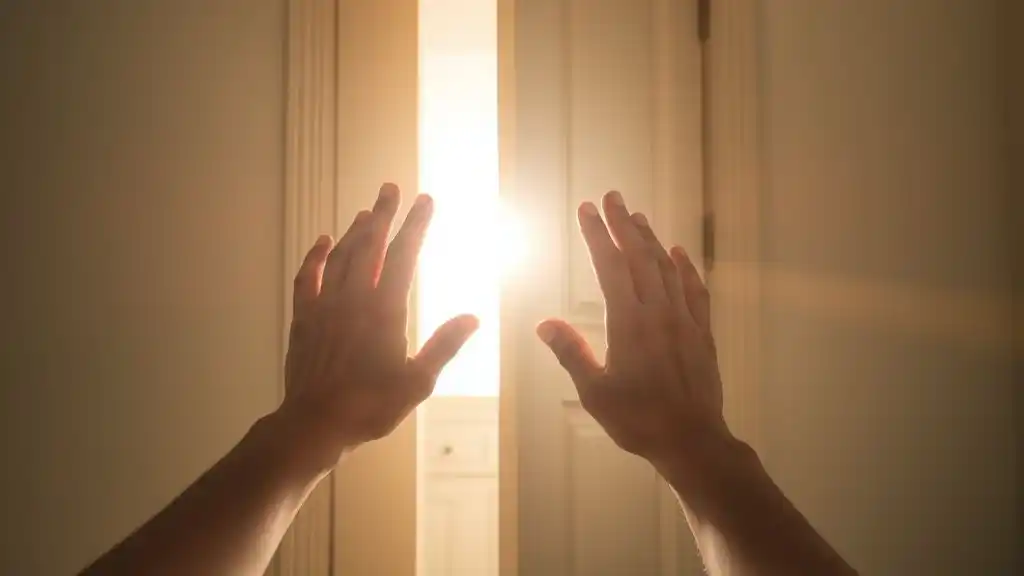
The word “boundary” sounds cold. Like you’re building a wall. But really, boundaries are more like a door. You’re not locking someone out forever. You’re just saying “not right now” so you can come back later as a better version of yourself.
Here’s how to ask for space without sounding mean:
Instead of: “I can’t deal with this right now.”
Try: “I can see you’re upset, and I want to be present for you. I need twenty minutes to settle myself first so I can really listen.”
Instead of: “You’re always crying about something.”
Try: “I care about what you’re going through. I’m feeling drained right now and need some quiet time to recharge.”
Instead of: “Stop being so emotional.”
Try: “Your feelings matter. I’m tapped out emotionally and need space so I don’t snap at you unfairly.”
Notice how none of these blame your partner for having feelings? You’re not saying they’re wrong for crying. You’re saying you need a pause.
That’s the difference between self-care vs selfishness in relationships. Selfishness says “your feelings don’t matter.” Self-care says “your feelings matter, and so do mine.”
Some people will call you selfish anyway. Usually, those are people who benefit from you ignoring your own needs. That’s their issue, not yours.
Relearning Healthy Space and Connection
The goal isn’t to never be there for your partner. It’s to be there in a way that doesn’t destroy you.
Healthy relationships have rhythm. Close, then apart, then close again. Like breathing. You can’t inhale forever without exhaling.
When you take space—real space where you’re not texting reassurances or checking in every ten minutes—you give both people a chance to reset. Your partner learns they can survive hard feelings without you fixing it. You learn you don’t have to carry everything.
And here’s the surprising part: taking that space often makes you want to reconnect. When you’re not constantly drained, you actually have energy to show up with love.
Healing emotional burnout in relationships takes time. You didn’t get here overnight, and you won’t fix it in a weekend. But every time you say “I need a break” without apologizing for it, you’re retraining your brain. You’re teaching yourself that needing space doesn’t make you defective.
Some practical ways to build this back:
- Set a daily “quiet hour” where both of you do separate things with no interruption
- Practice saying “I’m not available to talk about that right now” without guilt
- Check in with yourself first before asking “how can I help?”
- Remember that your partner’s emotions are theirs to manage, not yours to fix
You can love someone and not be their therapist. You can care and still have limits. These things can be true at the same time.
Conclusion — You’re Not Crazy for Wanting Space

If you walked away from this article with only one thing, let it be this: I feel crazy for wanting space in my relationship is a sign you’re overwhelmed, not broken.
Needing distance when your partner cries doesn’t mean you’re heartless. It means you’re human with a nervous system that’s been working overtime. It means you’ve given so much that your tank is empty, and empty tanks can’t pour anything out.
The guilt you feel? That’s proof you still care. People who truly don’t care don’t worry about being cruel. They just leave. You’re here, reading this, trying to figure out how to do better. That matters.
So give yourself permission. Permission to step away. Permission to breathe. Permission to say “I love you and I need space” without feeling like a villain.
Needing space isn’t rejection. It’s a boundary that lets love breathe. And sometimes, the kindest thing you can do for both of you is to take care of yourself first.
You’re not crazy. You’re just tired. And that’s okay.
Disclaimer: This post is for informational and emotional support purposes only. Every relationship is unique, and this is not professional legal, medical, or mental health advice. Read our full disclaimer.
Affiliate Disclosure: Some links in this post may be affiliate links. If you make a purchase through them, I may earn a small commission at no extra cost to you. Learn more here.