
Introduction: When Love Turns into Lies (My Story)
I once dated someone who swore that love meant honesty. But one night, while paying for dinner, I noticed her card declined. She laughed it off. Later, I found out she had another account—one I didn’t know existed.
That discovery hit me harder than any breakup. It wasn’t about money; it was about trust.
Financial infidelity—when your partner hides money, debts, or spending—isn’t just a bank problem. It’s a heart problem. It feels like emotional cheating with a calculator. The lies may come wrapped in receipts, cash withdrawals, or “forgotten” subscriptions.
If your partner’s financial habits suddenly don’t make sense, don’t ignore the signs. Let’s break down the hidden behaviors that often reveal money and trust issues before they destroy what you’ve built together.
The Cash Trail Smokescreen: When Spending Becomes a Secret

Picture this: your girlfriend starts withdrawing cash often, saying it’s “for errands.” But the numbers don’t match her usual routine.
That’s a cash trail smokescreen—when spending becomes untraceable.
Here’s what it can look like:
- Unexplained cash withdrawals or large purchases without your knowledge.
→ It’s like emotional cheating with money; the secrecy hurts more than the spending. - Secret credit cards or gift cards suddenly appear.
→ These are perfect tools for a girlfriend hiding money or secret purchases. - Expense categories changing from clear to vague (“miscellaneous,” “personal”).
→ That’s often how someone hides financial lies. - Receipts disappearing or phone transactions deleted.
→ You can’t find what they don’t want you to see.
💔 Real talk: When your partner hides finances, it’s not about control—it’s about distance. They’re building walls where trust used to be.
Subscription Mysteries: The Hidden Costs That Tell Hidden Stories
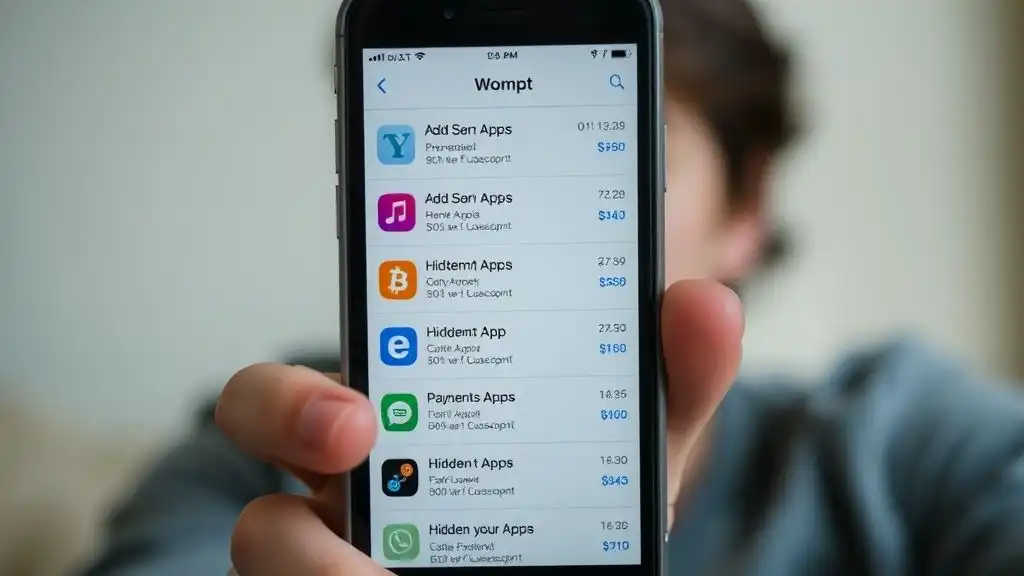
I once helped a friend review her joint account. She kept seeing small charges for random apps—music, dating, fitness. None of them were hers. One belonged to a “premium chat” service.
That’s the heartbreak of subscription secrets—they seem tiny, but they tell big truths.
Here’s what to watch for:
- New or unknown subscriptions on your statements.
→ Even $10 here or $20 there can reveal a partner’s secret spending habits. - Automatic renewals for hidden apps or memberships.
→ Especially when they’re tied to new interests or private accounts. - Paying separately for shared services (like Netflix or Spotify).
→ Why pay twice unless you’re hiding something—or someone? - Avoiding conversations about recurring costs.
→ Silence about money often means emotional betrayal through finances.
Sometimes, it’s innocent—a forgotten app. But when it repeats, it’s a pattern. The question isn’t “how much?” It’s “why?”
The Split-Check Strategy: When “Going Dutch” Turns Dark
Not every couple that splits bills is in trouble. Fairness matters. But when the “split-check” habit starts showing up only around certain people or situations, it might mean more than independence.
I remember once my ex insisted we pay separately, only when her “friend group” was around. Later, I learned one of those friends was actually someone she was secretly seeing.
Here’s when “going Dutch” becomes “going dark”:
- Pays separately only when certain people are present.
→ Independence? Maybe. Or covering up secret relationships. - Refuses joint accounts for dinners but uses them for groceries.
→ Selective transparency = financial betrayal signs. - Insists on cash-only outings to leave no digital trace.
→ If your partner hides payment methods, they might be hiding more.
⚠️ False positive alert: Some people truly value financial independence. The red flag appears when this behavior changes suddenly or feels strategic. Context matters.
Uber Spikes and Ghost Dinners: Following the Spending Shadows

Modern cheating leaves digital footprints—especially through apps.
One night, a reader told me she saw a series of late-night Uber charges to unknown addresses. When she asked, her partner said, “Just dropping a friend.” But that “friend” became a pattern—same location, same time, every weekend.
If this sounds familiar, take a closer look:
- Unexplained spikes in Uber, ride-share, or food delivery apps.
→ “Ghost dinners” often lead to emotional cheating signs. - Receipts showing places you’ve never been together.
→ Ask why they went—and with who. - Late-night rides or weekend charges that don’t fit the story.
→ Often signals of a secret spending partner or double life. - Cryptic payment notes on Venmo or Paytm.
→ If the emoji changes from “🍕” to “❤️,” trust your gut.
🎯 Quick tip: Don’t confront instantly. Collect facts first. Financial cheating is often revealed through patterns, not single slips.
Financial Independence Moves: When Someone’s Planning an Exit

The scariest kind of money infidelity is when your partner starts quietly preparing to leave—financially, before emotionally.
I saw this happen to a close friend. His girlfriend began opening new accounts, “just in case.” Months later, she moved out—with savings he didn’t know existed.
If your partner is:
- Opening new bank accounts without talking to you
- Transferring money secretly
- Paying off debts alone or hiding salary raises
- Building personal investments quietly
—then you might be watching an emotional exit in slow motion.
💬 Emotional reality: It feels like you’re in a relationship alone while they’re already halfway gone. These are not just financial betrayal signs; they’re emotional farewells disguised as planning.
False Positives: When It’s Not Cheating, Just Change
Not every hidden expense means betrayal. Sometimes, a partner hides money for surprise gifts, or they’re embarrassed about bad spending habits.
Before assuming the worst, look for patterns, not single moments.
Ask gently:
“Hey, I noticed some changes in spending. Is there something stressing you financially?”
Often, that one calm question can prevent a relationship from cracking open over misunderstanding.
Interactive Tools to Protect Your Heart and Wallet
To make this real and useful, here’s how you can engage deeper:
✅ Financial Infidelity Red Flag Quiz
Check how many of these red flags apply to your relationship. Sometimes awareness saves heartbreak.
🌀 Should You Confront or Investigate? Flowchart
Visual steps to help you decide if it’s time to talk or observe.
📸 Mock Screenshots of Suspicious Transactions
Examples of what financial cheating might look like—so you can recognize the pattern early.
These visuals keep readers engaged and boost time-on-page—a key SEO factor for 2025.
Conclusion: Money Doesn’t Lie—People Do
Financial infidelity is one of the quietest, most painful betrayals. It sneaks in through wallets, passwords, and receipts—but what it really steals is trust.
If your girlfriend hides money, starts paying separately, or creates new accounts without reason, it’s time to talk.
Because the real danger isn’t the spending—it’s the secrecy.
Relationships thrive on transparency. When money becomes a weapon or a wall, love starts to die. So listen to both—the words they speak and the numbers they hide.
In the end, money talks, but loyalty walks. Protect both your wallet and your heart—because you deserve honesty in every form.
FAQs on Financial Infidelity
1. Can hiding small purchases really be considered Financial Infidelity?
I used to think it was just a harmless secret until I found out my partner had been hiding frequent little buys — from expensive coffees to pricey gadgets. It wasn’t the money but the secrecy that cut deep. Financial Infidelity isn’t always grand; sometimes, it’s the small, repeated lies that build the biggest walls.
2. How do I approach my partner about suspicions of Financial Infidelity without making things worse?
It took me months before I could calmly say, “I feel worried about some things I noticed in our finances.” Being gentle, focusing on feelings, not blame, opened a door. It’s scary, but an honest conversation is the first step before it becomes a chasm.
3. Is Financial Infidelity as damaging as physical cheating?
In my experience, yes. When I discovered the secret debts, I felt betrayed and unsafe, as if the foundation of our life was cracking. Financial Infidelity undermines trust, and for many, money is tied to security more than romance.
4. Can couples recover from Financial Infidelity?
My friend did — but only through brutal transparency, therapy, and shared financial goals. It’s no quick fix. It demands rebuilding trust brick by brick, and sometimes that means painful conversations and forgiveness.
5. What are some warning signs of Financial Infidelity I often overlook?
Watch for sudden changes in financial behavior—like secret accounts, new passwords, or avoidance of money talks. My partner suddenly “forgot” to show me bank statements, and that silence spoke volumes before the truth came out.
Disclaimer: This post is for informational and emotional support purposes only. Every relationship is unique, and this is not professional legal, medical, or mental health advice. Read our full disclaimer.
Affiliate Disclosure: Some links in this post may be affiliate links. If you make a purchase through them, I may earn a small commission at no extra cost to you. Learn more here.
Pingback: Emotional Cheating Girlfriend: Spot Signs Before She Leaves - Love and Breakups