
You might think you’re in love, but sometimes it’s loneliness wearing the mask of attraction. Dating out of loneliness is more common than anyone admits — especially when being single feels harder than being in the wrong relationship. You crave comfort, validation, and the warmth of “someone,” even if that someone isn’t right for you. This guide helps you tell the difference between real attraction and emotional need — and shows how to stop repeating the cycle for good.
What Does “Dating Out of Loneliness” Mean?
Dating out of loneliness means entering a relationship not because you’re genuinely drawn to someone, but because you can’t stand being alone. It’s emotional escapism dressed up as romance. You chase the feeling of being wanted — not the person themselves.
Maybe you swipe through dating apps at 2 a.m. out of boredom. Maybe you text your ex because the silence feels unbearable. Or maybe you rush into something new right after a breakup because solitude feels like rejection.
These relationships start fast and feel exciting — until they suddenly don’t. When the novelty fades, the emptiness creeps back in, and you realize the person never really filled the void.
Common signs early on:
- You crave attention more than connection.
- You confuse comfort for chemistry.
- You stay just to avoid feeling “single.”
That’s emotional dependency, not love — a short-term comfort fix for a long-term emotional gap.
7 Clear Signs You’re Dating Out of Loneliness, Not Attraction
1. You Rush Into Relationships Too Soon
You jump in headfirst because being “taken” feels safer than being single. The rush isn’t about love — it’s relief. You ignore red flags, skip slow connection, and dive straight into emotional intimacy because you want to belong somewhere, anywhere.
2. You Confuse Comfort With Chemistry
You feel calm, not excited. You tell yourself it’s “mature love,” but deep down, it’s just familiar attention. You stay because it feels safe — not because it feels right.
3. You Fear Being Single More Than Being in a Bad Relationship
You’d rather deal with tension than silence. You think being alone means being broken. So you stay — even when you’re unhappy — because loneliness feels scarier than dissatisfaction.
4. You Settle for “Almost Right” Partners
You tell yourself “no one’s perfect” just to justify staying. You overlook big differences — values, lifestyle, emotional effort — and convince yourself you can “make it work.” That’s not compromise; that’s settling.
5. You Over-Invest Emotionally Too Early
You’re already planning vacations after two dates. You idealize them, crave validation, and panic when they don’t reply. You’re not building connection — you’re trying to anchor yourself to someone before they drift away.
6. You Know Something Feels Off But Ignore It
You sense the mismatch, but you push it down. You call it “butterflies,” when it’s actually anxiety. You confuse emotional highs and lows for passion, and you fear facing the truth because it might mean being alone again.
7. You Lose Yourself in the Relationship
You stop seeing your friends, forget your hobbies, and measure your worth by how much they want you. Without them, you feel empty — because your happiness is outsourced to someone else.
These are the signs of codependent relationships — driven by the fear of abandonment, not real love.
Why We Date Out of Loneliness
Humans are wired for connection — our brains release oxytocin and dopamine when we bond. But modern loneliness has hit a new level. Social media makes us feel connected but keeps us emotionally hungry. Dating apps promise endless options but often deepen the sense of emptiness.
Add cultural pressure (“Why are you still single?”) and the fear of being “left behind,” and you’ve got a recipe for emotionally rushed relationships.
Low self-esteem and unhealed wounds make solitude feel unbearable. Many of us equate being single with failure, so we chase relationships just to silence that inner voice saying, “You’re not enough.”
👉 A 2024 study found that 47% of adults feel lonely even while in relationships. That’s the cost of emotional dependency — when you seek love to escape yourself, not expand yourself.
How to Stop Dating Out of Loneliness — 6 Practical Steps
1. Build a Relationship With Yourself
Go on solo dates. Take yourself out for coffee. Try hobbies that make you lose track of time. Learn to enjoy your own company until solitude feels peaceful, not painful. The more grounded you are in your own life, the less you’ll chase people to complete it.
2. Heal Your Emotional Triggers
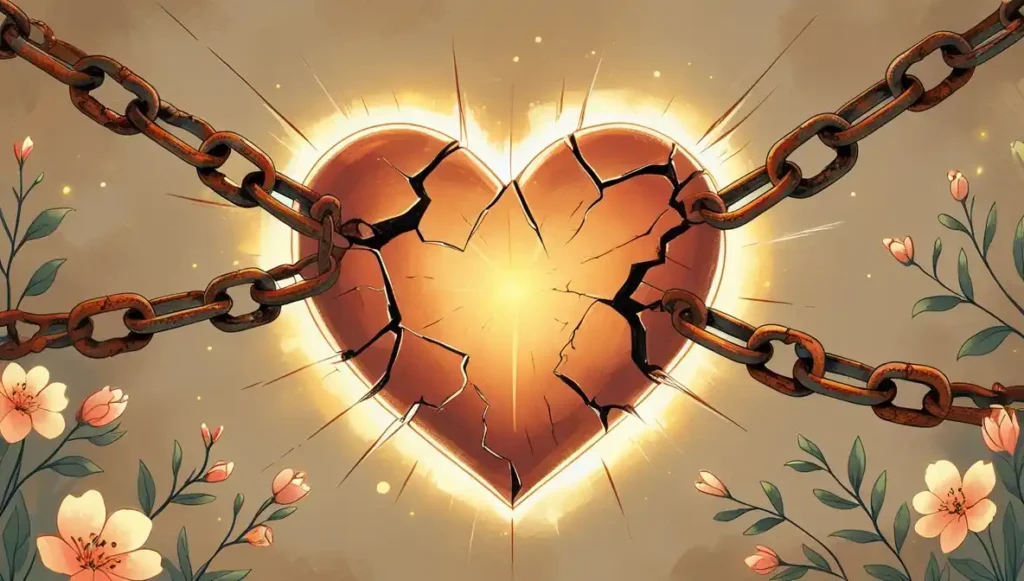
If rejection hits too hard or silence feels unbearable, it’s time to explore where that comes from. Journal about your past patterns. Therapy or self-work helps you recognize your emotional roots — fear of abandonment, low self-worth, or trauma bonding. Healing makes you emotionally independent, not emotionally starving.
3. Redefine What “Love” Means
Love isn’t rescue. It’s not someone filling your emptiness. It’s two whole people choosing to grow together. Real attraction includes respect, laughter, and trust — not just the relief of “finally not being alone.”
4. Take a Dating Break If Needed
Step back. No swiping, no “situationships.” Use that time to reset your emotional patterns. Ask: What do I actually want in a partner — and what do I bring to the table? When you return to dating, you’ll come from clarity, not craving.

5. Set Higher Emotional Standards
Stop chasing sparks that burn out fast. Choose people who bring calm, not chaos. Emotional consistency is more attractive than emotional intensity. Don’t settle for “at least they’re here.” Wait for someone who feels right in your peace, not just your loneliness.
6. Build a Support System

Friendship, community, family — all count as connection. The more love you give and receive platonically, the less pressure you’ll put on romance to be your everything. Loneliness fades when your life feels full in other ways.
When to Seek Help
If loneliness feels unbearable even when you’re not alone, or if you keep repeating the same emotional cycles — it might be time to reach out. Therapy helps you identify patterns, reframe attachment styles, and rebuild self-worth. Support groups or online communities can remind you: you’re not broken; you’re just human, learning to love better.
Look for words like attachment healing, emotional therapy, or relationship patterns — they’ll guide you toward the right resources.
Conclusion — Choosing Love Over Loneliness
Recognizing when you’re dating out of loneliness is a turning point. It’s not about shame — it’s about awareness. You can’t attract healthy love while you’re still running from being alone.
Real love starts when you stop needing someone and start choosing someone. That’s emotional independence — when you no longer look for a partner to fill your emptiness but to share your wholeness.
When you’re comfortable alone, you attract better love. You stop chasing rescue and start seeking connection.
Quick Recap:
- Notice emotional triggers before dating.
- Build a fulfilling single life first.
- Seek emotional connection, not escape.
- Remember: loneliness is temporary; unhealthy love can last much longer.
💬 Final Thought:
You don’t need someone to make you feel enough. You already are. Once you know that, love stops being survival — and starts being choice.
Disclaimer: This post is for informational and emotional support purposes only. Every relationship is unique, and this is not professional legal, medical, or mental health advice. Read our full disclaimer.
Affiliate Disclosure: Some links in this post may be affiliate links. If you make a purchase through them, I may earn a small commission at no extra cost to you. Learn more here.
Pingback: Dating as an introvert: 7 tips for calm, meaningful first dates - Love and Breakups