
Between True Vulnerability and Floodlighting There’s a moment in relationships that feels like magic—someone opens their heart, shares pieces of their inner world, and suddenly you feel closer than you’ve ever felt before. It feels raw, honest, intimate, and intoxicating. Your chest tightens in a mix of wonder and trust, like you’ve finally found someone who sees the real you. But here’s the hard truth: what feels like love or connection might not always be genuine vulnerability. Sometimes, it’s floodlighting—a high-intensity, manipulative tactic disguised as emotional openness.
Floodlighting can sweep you off your feet with confessions that feel too deep, intimacy that comes too fast, and emotions that seem overwhelming but somehow irresistible. At first, it feels electrifying, like the universe has aligned—but the closer you get, the more your boundaries blur, your self-worth is questioned, and your sense of safety erodes. Understanding the difference between true vulnerability and floodlighting isn’t just important—it’s urgent. Without it, you risk being emotionally drained, confused, or questioning your own instincts long after the connection ends. Recognizing the signs early is the first step to protecting your heart, reclaiming your boundaries, and navigating relationships with clarity and confidence.
What Is True Vulnerability and Floodlighting Why Does It Feel Safe?

True vulnerability is intentional, measured, and paced. It’s when someone shares their fears, insecurities, and personal experiences in a way that allows both parties to process and respond thoughtfully. There’s no rush, no emotional urgency, and no expectation that you mirror their intensity immediately. It grows naturally over time, and it respects boundaries.
When someone is genuinely vulnerable, you feel invited into their world, not pressured or overwhelmed. Emotional honesty comes with a sense of safety, predictability, and mutual care—even in moments of discomfort. Signs of true vulnerability include authentic connection, open communication, trust-building, and paced sharing. It doesn’t demand emotional labor beyond what you’re ready to give; instead, it nurtures a sense of intimacy that feels mutual and affirming.
How Floodlighting Pretends to Be Vulnerability

Floodlighting looks a lot like vulnerability, but it’s designed to manipulate rather than nurture. Instead of slow, intentional disclosure, a floodlighter overshares trauma, confessions, or intense emotions rapidly. The goal is to create a fast, deep connection that overwhelms your emotional senses, making you feel instantly bonded.
The emotional pull of floodlighting is magnetic. You might feel honored, trusted, or like the only person who “gets them.” But in reality, the trust is carefully engineered. Floodlighting thrives on emotional manipulation, urgency, false intimacy, and intensity overload. You may begin to feel responsible for their emotions, guilty for wanting space, or anxious about disappointing them. Over time, this can leave you second-guessing your instincts and eroding your self-worth.
Who Typically Uses Floodlighting and Who Practices Healthy Vulnerability?
Not everyone who shares deeply is a floodlighter. Genuine vulnerability usually comes from emotionally mature, self-aware individuals who respect boundaries. They want authentic connection, not control or dependency.
Floodlighting, in contrast, often comes from individuals with narcissistic tendencies, insecure attachment patterns, or unmet emotional needs. Their aim is fast attachment, emotional validation, or subtle control, all disguised as care or intimacy. Recognizing the difference begins with observing motives, behavior patterns, and emotional effects rather than simply listening to words. A genuinely vulnerable person will leave you feeling seen without erasing your sense of self; a floodlighter leaves you emotionally disoriented.
Where the Line Between Connection and Manipulation Often Blurs
Floodlighting can occur anywhere: early dating, online interactions, or even long-term relationships where intensity escalates subtly over time. The line between connection and manipulation blurs when emotional closeness accelerates too quickly or demands more than the situation warrants.
You may notice signs like overwhelming confessions before trust is established, emotional pressure to reciprocate intensity, or guilt when asserting boundaries. Semantic cues include emotional pressure points, early dating signals, boundary erosion, and social contexts. When closeness feels forced or disproportionate to the stage of the relationship, it’s often a red flag that intimacy is being manufactured rather than genuinely nurtured.
When Vulnerability Becomes Floodlighting Without You Noticing
One of the most insidious aspects of floodlighting is its subtlety. You may believe, “This is love; this is connection,” while your boundaries quietly dissolve. Emotional speed, cognitive overload, and guilt induction become normal, and you start questioning your own feelings.
You may feel compelled to prioritize the floodlighter’s emotions over your own needs, erasing your voice in the process. Over time, this can leave you emotionally exhausted, anxious, and unsure of your own worth. Semantic cues include internalized guilt, blurred limits, emotional speed, and boundary erosion. If your chest feels heavy or you feel mentally drained after interactions, your body is signaling that something is off.
Why Your Emotional Response Matters in Spotting Floodlighting
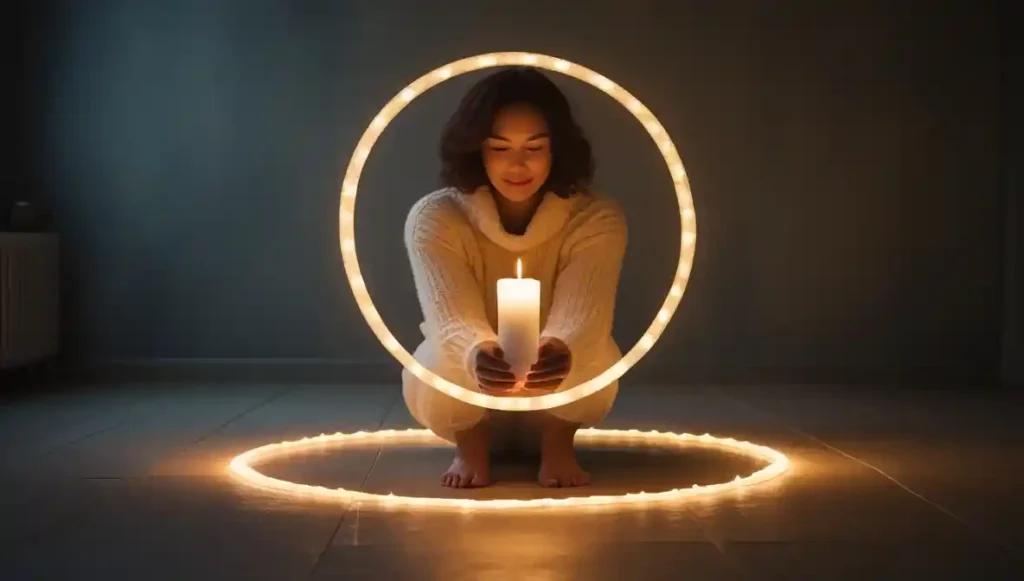
Your intuition is a guide. Emotional discomfort, anxiety, or second-guessing after conversations are often signs that someone’s “vulnerability” is actually pressure. Honoring these feelings protects your self-esteem, emotional bandwidth, and decision-making capacity.
Semantic cues include self-trust, intuition, emotional bandwidth, and discomfort signals. When you listen to your gut, you maintain clarity and prevent long-term emotional harm. Ignoring these signals often leads to patterns of emotional fatigue and self-doubt that can carry into future relationships.
How to Respond to Someone Who Floodlights vs Someone Truly Vulnerable
Responding requires discernment. Genuine vulnerability invites reflection, measured engagement, and reciprocity. Floodlighting, however, requires firm boundaries, slowed pacing, and emotional protection.
Practical steps:
- Take time before reciprocating intensity
- Set clear limits on emotional sharing and engagement
- Observe how they respond to your boundaries—respect shows authenticity, pushback signals manipulation
Semantic guidance includes boundary-setting, pacing, emotional clarity, and mindful engagement. By prioritizing your own emotional space, you regain autonomy and prevent manipulation from taking root.
Conclusion: Why Understanding the Difference Between True Vulnerability and Floodlighting Protects You Emotionally

Recognizing the difference between authentic vulnerability and floodlighting isn’t just emotional literacy—it’s self-preservation. It helps you protect your self-worth, maintain healthy boundaries, and engage in relationships that nurture rather than overwhelm. By learning to spot intensity masquerading as intimacy, you reclaim emotional clarity, trust your instincts, and foster connections built on respect, patience, and genuine care.
When you can distinguish between someone sharing from a place of authenticity and someone orchestrating emotional closeness, you safeguard your heart while embracing relationships that honor your emotional needs. True intimacy should lift you, not leave you drained or second-guessing your own feelings.
Disclaimer: This post is for informational and emotional support purposes only. Every relationship is unique, and this is not professional legal, medical, or mental health advice. Read our full disclaimer.
Affiliate Disclosure: Some links in this post may be affiliate links. If you make a purchase through them, I may earn a small commission at no extra cost to you. Learn more here.
Pingback: why is she hiding her feelings even if she likes me - Love and Breakups