
How to Survive a Breakup Before Christmas
If you are searching for how to survive a breakup before Christmas, it means December didn’t hit you gently. You’re not sitting here trying to get into the holiday mood. You’re trying to not fall apart in front of people who think you’re fine.
The lights feel brighter. The silence feels louder. Every Christmas song feels like it was written to remind you of what you lost. You’re not looking for advice. You want a way to get through tonight without breaking down again. I’m here for that.
When Christmas Turns Into a Trigger
Picture this.
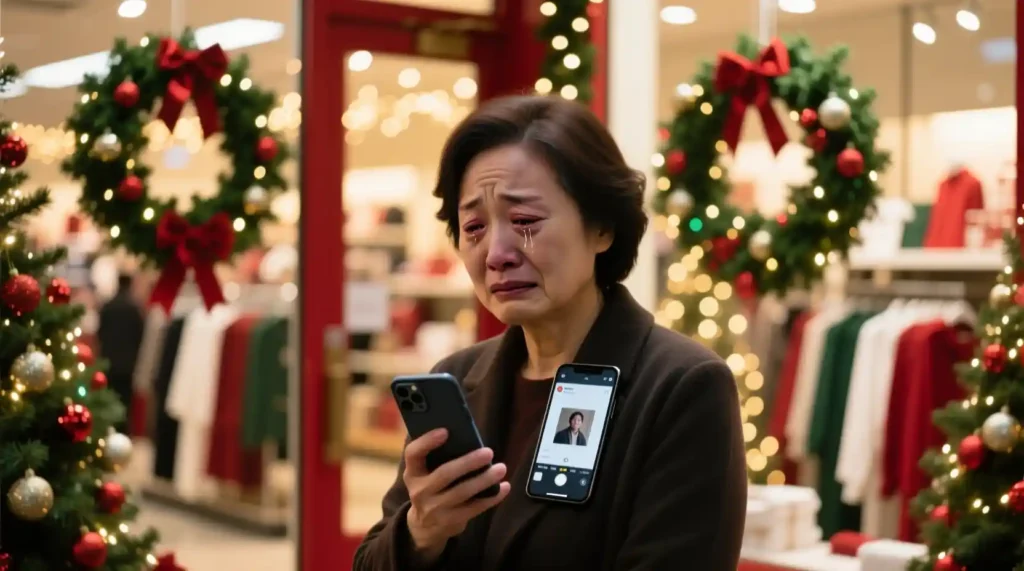
You walk into a store and a holiday song you once shared with them starts playing. Your chest tightens. Your stomach flips. You pretend to check your phone so no one sees your eyes getting wet. You whisper in your head, “Why did they leave before Christmas? Why now?”
If that moment feels too real, keep reading. This is your emotional reset point.
Why Do Breakups Hurt More During the Holidays?
Holiday heartbreak hits harder for biological, psychological, and social reasons. You are not weak. You are human.
Your brain produces less serotonin during winter. Your sleep is disrupted. Your emotional regulation drops with shorter daylight hours. Add constant reminders of togetherness, family, belonging, and warmth, and your nervous system reacts like you lost shelter.
It’s not “just sadness.”
It’s emotional pain sitting on top of seasonal loneliness and memory triggers.
The holiday season also activates unfinished rituals:
• Gifts you planned
• Trips you talked about
• Traditions you imagined
• A future you thought was solid
Your mind doesn’t know where to put all that sudden emptiness.
Action System: Holiday Pain Decoder to Survive a Breakup Before Christmas
- Identify today’s trigger (song, memory, place)
- Rate your emotional pain from 1 to 10
- Say: “My brain is reacting to a memory, not danger”
- Use slow exhale breathing for one minute
- Write one neutral fact to counter the trigger
The Psychology of Holiday Loneliness
You are wired for connection. When you lose someone right before a season built on connection, the loneliness feels physical. Attachment theory explains this perfectly.
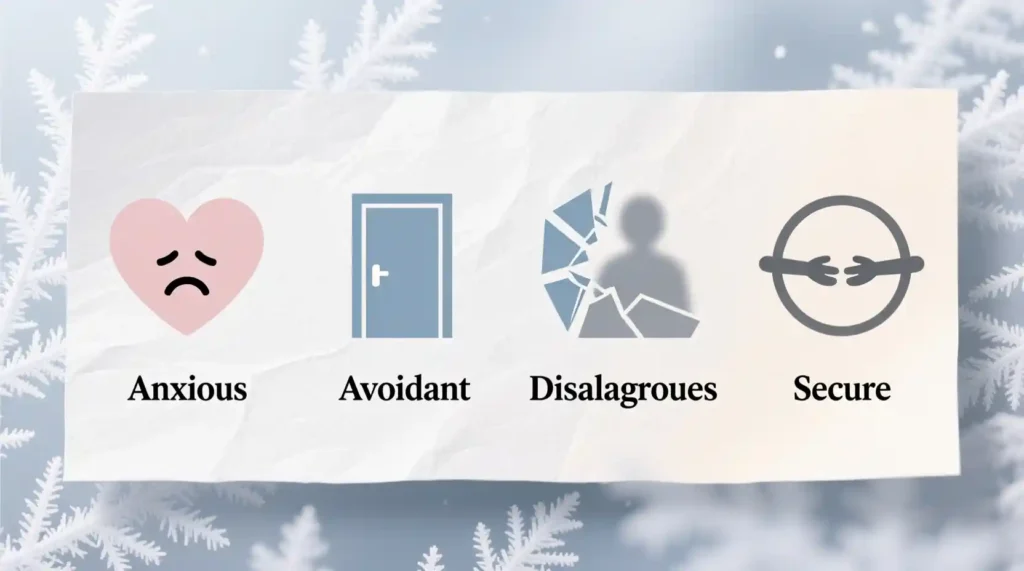
If you have anxious attachment
Your mind is probably replaying every moment, imagining them with someone else, checking your phone too often. You’re not dramatic. You’re scared of abandonment.
If you have avoidant attachment
You may feel numb or disconnected. Not because you don’t care, but because closeness and loss hit the same fear button.
If you have disorganized attachment
You might switch between missing them and resenting them in the same day. It feels chaotic. But predictable.
Here’s a table that makes this clearer.
Attachment Response Table
| Attachment Style | Holiday Reaction | Hidden Fear | Behavior Pattern | First Fix |
|---|---|---|---|---|
| Anxious | Intense panic | Abandonment | Checking phone, spiraling | Nervous system grounding |
| Avoidant | Emotional numbness | Losing control | Distraction, shutdown | Healthy micro-connection |
| Disorganized | Chaos | Both closeness and distance | Mixed signals, spirals | 5-minute emotional labeling |
| Secure | Sad but steady | Loss of routine | Healthy coping | Keep routines steady |
Action System: Attachment Reset Ritual
- Identify your style in the table
- Write one sentence about the fear behind your reaction
- Replace it with a grounding sentence
- Breathe slowly for one minute
Why You Feel “Behind in Life” in December
Holiday comparison hits deep. Your brain compares your inner chaos to other people’s curated holiday moments. If betrayal or emotional trauma was involved, the pain multiplies because your nervous system is in threat mode.
Nothing is wrong with you.
Your brain is overloaded.
Action System: Social Safe Mode
- Limit social media to ten minutes twice a day
- Mute seasonal triggers
- Follow a few accounts that make you feel understood
- Replace scrolling with micro tasks like stretching or drinking water
How to Stop Obsessing Over Your Ex at Christmas
If you keep thinking about them, it’s not obsession. It’s withdrawal. Studies show heartbreak activates the same pathways as addiction. When you replay old memories or stalk their profile, your brain is chasing a dopamine hit.
Your goal is not to erase the thoughts.
Your goal is to interrupt the loop.
Action System: Thought Interrupt Ritual
- When the thought starts, say “loop starting”
- Move your body for 30 seconds
- Ask: “What do I need right now?”
- Do a micro task
- Use a two minute sensory reset (hold something warm or cold)
The Moment You Want to Text Them
Holiday breakups follow a predictable timeline.
Day 1: Anger
Day 3: Softening
Day 5: Memory triggers
Day 7: The “I should check if they’re ok” thought
Day 9: Breaking no contact
Day 10: Regret
You’re not weak.
You’re following a neurochemical pattern.
Action System: The 60 Second Delay Method
- Pause
- Start a one minute timer
- Drink water
- Sit and breathe
- Ask: “Will texting them help the future me?”
Most days, the answer is no.
What to Do on Christmas Eve After a Breakup
Christmas Eve is the night people fear the most. The quiet feels louder. Your bed feels bigger. Your thoughts feel closer. Your brain expects connection because of past Decembers. When it doesn’t get it, the loneliness feels brutal.
What you need is structure. Not perfection.
Action System: Christmas Eve Survival Plan
- Decide where you are spending the evening
- Prepare a comfort object (warm drink, blanket, candle)
- Plan a safe activity for 1–2 hours
- Write one honest sentence to your future self
- Sleep with a soft light if total darkness spikes anxiety
Morning After a Breakup During Christmas Season
Mornings hit harder because cortisol peaks early. It’s normal to wake up missing them even after a strong day. It’s chemistry, not destiny.
Action System: Morning Reset
- Drink water
- Go outside for 1–2 minutes
- Do one micro win (bed, shower, clean one corner)
- Say: “I don’t need to be happy today. I just need to stay steady.”
How Long Does It Take to Get Over a Holiday Breakup?
People say, “Time heals.”
They’re wrong.
Time does nothing unless you do something with it.
Holiday breakups hit harder and heal slower because the pain is tied to sensory triggers, traditions, family expectations, and the future you imagined with them. But in my work with clients, the typical emotional stabilization timeline is six to eight weeks when you follow a consistent system.
If the breakup included betrayal, trauma bonding, or chaotic on-and-off cycles, healing takes longer. Not because you’re broken. Because your nervous system has been running in survival mode for too long.
Here’s the real recovery curve.
The 4-Phase Holiday Healing Timeline
Phase 1: Shock (Week 1)
You feel like you’re floating outside your own body.
Nothing feels real.
You might lose your appetite or overeat.
Sleep gets messy.
You replay the breakup like a crime scene.
Fix: Grounding. Routine. Stabilizing your sleep.
Phase 2: Withdrawal (Week 2–3)
You miss them more now, not less.
This is when people break no contact.
Your brain is craving the comfort it lost.
Fix: Interrupt thought loops. Strengthen boundaries. Use the 60-second delay method.
Phase 3: Rebuild (Week 4–6)
You start noticing micro changes.
Fewer breakdowns.
More clarity.
More energy.
Small wins feel possible again.
Fix: Add structure. Add self-connection. Rebuild your identity without them.
Phase 4: Reclaim (Week 7–8+)
You don’t wake up thinking of them first.
You start imagining a future.
The grip loosens.
Your nervous system finally breathes.

Fix: New habits. New experiences. Future-focused routines.
Action System: The Weekly Healing Blueprint
- Pick a theme for the week: grounding, routine, detox, reconnecting, rebuilding
- Set three micro goals: one emotional, one physical, one practical
- Track one win per day
- Review your progress every Sunday
- Reset the plan every Monday
LSI keywords used here: how long to heal from a breakup, holiday breakup timeline, emotional recovery time, Christmas breakup recovery
Why You Keep Blaming Yourself
Holiday heartbreak often triggers shame.
You start asking:
“Was I too much?”
“Was I not enough?”
“Did I push them away?”
“Did I miss the signs?”
But shame is not truth.
Shame is your brain trying to create order in chaos.
People don’t leave because you were unlovable.
People leave because they weren’t aligned.
Action System: The Shame Detox
- Write the exact sentence your shame is telling you
- Ask: “Is this fact or fear?”
- Replace the sentence with a neutral truth
- Say it aloud once
- Repeat when the shame returns
When Christmas Memories Hit Out of Nowhere
Memory is tied to sensory cues—lights, smells, sounds, weather.
That’s why random holiday triggers feel violent.
You’re not losing control.
Your brain is processing emotional residue.
Action System: Memory Softening
- Label the trigger
- Give yourself permission to feel it without acting
- Set a 2-minute timer
- Breathe slowly until the wave passes
- Redirect to a grounding task
This is CBT + emotional regulation in action.
How to Stop Comparing Yourself to Their New Life
If they seem “fine” online, remember:
Social media is a highlight reel, not a heart scan.
People post the best version of themselves when they feel the worst.
You’re comparing your raw pain to their curated image.
Action System: Comparison Reset
- Mute them
- Mute mutuals if needed
- Track how your mood changes
- Refill your feed with accounts that don’t trigger you
How to Build a Future That Isn’t Tied to Them
Your life doesn’t end in December.
It resets.
There’s a moment in every painful breakup where you realize:
“Maybe the version of me who loved them doesn’t exist anymore.”
That’s not loss.
That’s transformation.
Action System: 7-Day Identity Rebuild
Day 1: Clean one space
Day 2: Change one routine
Day 3: Walk outside for 15 minutes
Day 4: Remove old photos
Day 5: Add one new playlist
Day 6: Text one safe person
Day 7: Do one thing future-you would be proud of
Your New Behavioral Outcome Guarantee
By the end of this blog, you have:
• A grounding plan
• A holiday survival routine
• A Christmas Eve structure
• A no-contact strengthening method
• A loop-stopping ritual
• A weekly healing blueprint
• A holiday breakup recovery timeline
• A shame-reduction system
• An identity rebuild plan
If you follow the actions—not perfectly, just consistently—you will feel relief within days and momentum within weeks.

Conclusion: You Can Survive This Christmas Without Them
This isn’t the Christmas you imagined.
But it isn’t the end of your story.
You are not behind.
You are not broken.
You are not starting from zero.
You are starting from truth.
This season may hurt.
But it will also rebuild you.
You will step into January lighter, clearer, steadier—and more you than you’ve been in years.
Download Your Free Christmas Healing Journal
I made a simple, grounded, trauma-safe journal to help you regulate your emotions during December.
[Download: Christmas Breakup Healing Journal – PDF]
Use it nightly.
Keep it private.
Let it carry you through the next two weeks.
To Survive a Breakup Before Christmas
Disclaimer: This post is for informational and emotional support purposes only. Every relationship is unique, and this is not professional legal, medical, or mental health advice. Read our full disclaimer.
Affiliate Disclosure: Some links in this post may be affiliate links. If you make a purchase through them, I may earn a small commission at no extra cost to you. Learn more here.
Pingback: Unfollowing You After Breakup: Self-Respect, Not Revenge - Love and Breakups