
I Said Yes to Someone Who Floodlighted Me, and the truth is, it didn’t happen because I was naive — it happened because the beginning felt like a movie I didn’t want to walk away from. The first moment they opened up, it felt electric. Deep. Urgent. Like I had stumbled into a connection so rare it would be a mistake to question it. Their words wrapped around me like warmth I’d been missing for years, and I didn’t realize until much later that warmth and wildfire can feel the same at first touch.
When I think back to that moment I agreed to something that felt intense and magical, I can see now that I wasn’t saying yes to love — I was saying yes to an emotional storm dressed as vulnerability. It felt honest, raw, almost sacred. Like someone finally saw me in a way no one else had. But that closeness wasn’t built; it was poured onto me before I had the chance to breathe, think, or step back. There was no pacing. No safety. No room to ask myself, “Do I even want this?”
I thought I was stepping into a connection.
But really, I was stepping into emotional speed — a rush designed to pull me in before I could recognize its cost.
And the cost was high.
I didn’t fall for them.
I fell for the intensity.
And intensity always leaves a scar when it wasn’t love to begin with.
What I Didn’t See When I Said Yes to a Floodlighter and Regret It Now
The first thing I missed was the pace. Floodlighting rushes you before you can blink. I didn’t notice how quickly the conversations turned “deep,” or how their stories arrived heavy and unfiltered. I didn’t see how their emotional injuries were placed in my hands before I even knew their middle name.
What I didn’t see:
- They were building false intimacy, not real closeness
- Their vulnerability wasn’t trust—it was urgency
- My empathy became their entry point
- The pace was meant to hook me before I could pause
And because I wanted to believe in connection, I ignored the signs that everything was moving too fast to be real.
Why I Said Yes to a Floodlighter and Regret It Now Even Though My Gut Warned Me
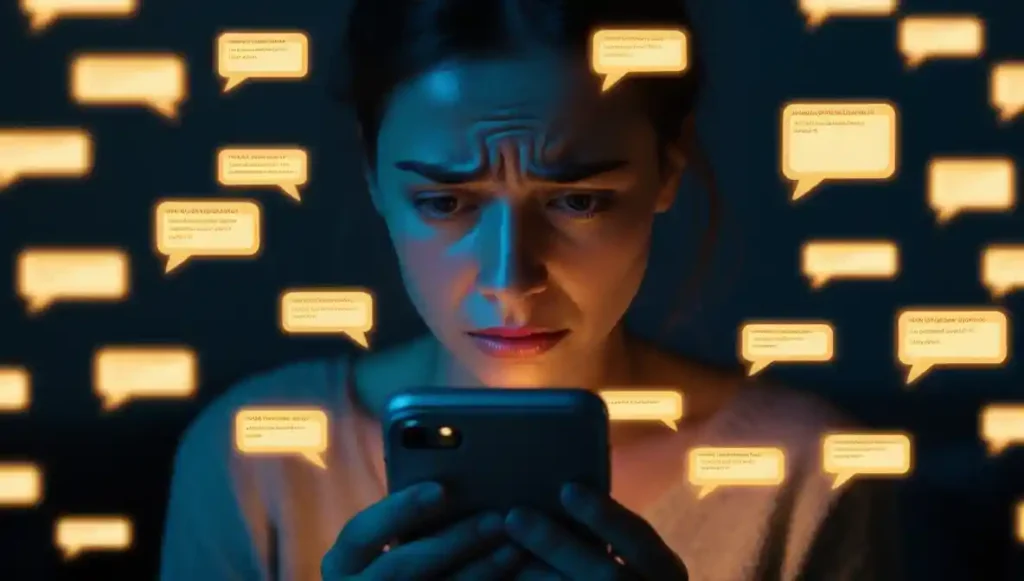
My intuition whispered, “Slow down.”
But intensity is intoxicating.
Fast vulnerability feels like fate.
Fast closeness feels like destiny.
Fast declarations feel like devotion.
And because I didn’t want to ruin something that looked meaningful, I silenced the part of me that felt overwhelmed. I told myself:
- “They’re just emotional.”
- “They really care.”
- “Maybe this is what connection is supposed to feel like.”
But deep down, something felt off. My body tightened when their messages came in long paragraphs. My mind raced trying to keep up with their emotional needs. My heart beat faster—not from excitement, but from pressure.
Sometimes you don’t ignore the red flags because you’re weak.
You ignore them because you’re hopeful.
When I Realized I Said Yes to a Floodlighter and Regret It Now—and The Moment the Illusion Crumbled
There was no big explosion.
No huge betrayal.
Just a moment.
A small, quiet moment when I felt drained instead of connected after talking to them. When their emotional stories left me overwhelmed instead of closer. When I realized I wasn’t actually part of a partnership—I was part of someone else’s coping strategy.
The illusion broke when:
- Their “openness” became an expectation
- My boundaries made them upset
- I suddenly felt responsible for their feelings
- Conversations felt heavy instead of meaningful
- I felt guilty for needing space
Suddenly, the closeness that had once felt warm now felt suffocating. I wasn’t in a relationship—I was in an emotional trap crafted through intensity.
And that’s when regret hit me.

Where I Said Yes to a Floodlighter and Regret It Now Without Recognizing the Overload
It happened in the most unsuspecting places:
- Late-night calls when my guard was down
- Long messages that sounded like diaries
- Voice notes filled with emotional confessions
- Early dates that felt like therapy sessions
- Moments of silence replaced with emotional spirals
- Texts saying “You’re the only one I can talk to”
These weren’t signs of connection—they were signs of emotional dumping disguised as closeness. And I didn’t see it because it didn’t look like manipulation. It looked like vulnerability. It looked like someone choosing me.
But it wasn’t love.
It was emotional dependence pulling me in before I could step back.
Who I Became After I Said Yes to a Floodlighter and Regret It Now—and Why It Frightened Me
There’s a version of you that feels familiar—steady, self-aware, grounded. And then there’s the version you become when someone’s emotional intensity starts reshaping your identity. I didn’t realize it at first, but little by little, I stopped sounding like myself. I responded softer. I apologized faster. I edited my reactions so I wouldn’t upset them. I shrank to fit their emotional needs.
I became:
- the comforter
- the fixer
- the emotional sponge
- the person who didn’t want to “hurt” someone already hurting
And the scariest part?
I thought this made me loyal.
I thought this meant love.
But love doesn’t ask you to disappear inside someone else’s wounds.
Floodlighting does.
The regret grew when I realized the cost wasn’t just emotional—it was personal. I had lost pieces of myself just trying to keep someone else stable.
How I Said Yes to a Floodlighter and Regret It Now Because Their Vulnerability Felt Like Love
When someone pours their pain into your hands, it feels intimate. It feels meaningful. It feels like you’re being invited into a sacred part of their world. And that can feel a lot like love.
Their vulnerability felt like:
- trust
- honesty
- openness
- emotional bravery
But floodlighting disguises urgency as closeness. Their vulnerability wasn’t an invitation—it was a strategy. A way to bind me to them before I could walk away. A way to create emotional dependence without building emotional safety.
I didn’t fall for their personality.
I fell for their wounds.
I fell for their softness.
I fell for the story they told about how “no one understands them except me.”
But real love grows slowly.
Imitation love arrives all at once.
And that’s why it’s so easy to say yes.
And so painful to regret it later.

What Helped Me Heal After I Said Yes to a Floodlighter and Regret It Now
Healing didn’t come from understanding them.
It came from finally understanding myself.
I had to rebuild the parts of me that got tangled in their emotional urgency. Healing required slowing down, stepping back, and finding clarity outside the noise.
Here’s what truly helped:
1. Emotional distance
Without their constant emotional waves, my mind could finally breathe.
2. Naming what happened
I wasn’t dramatic.
I wasn’t weak.
I was overwhelmed by someone else’s intensity.
3. Reclaiming my time
Not responding instantly.
Not being emotionally available 24/7.
4. Talking to people who love me
Hearing my own story out loud made the pattern painfully clear.
5. Rebuilding my definition of intimacy
Understanding that true closeness doesn’t rush.
It doesn’t pressure.
It doesn’t demand immediate emotional access.
Healing wasn’t linear.
But every boundary I set was a step back toward myself.

Conclusion: Why Accepting That I Said Yes to Someone Who Floodlighted Me and Regret It Now Helps Me Choose Safer Love Next Time
Accepting that I Said Yes to Someone Who Floodlighted Me and Regret It Now became the turning point that reshaped how I understand closeness, emotional pacing, and self-protection. It taught me that intensity is not intimacy, that urgency is not affection, and that vulnerability offered too soon is not a gift—it’s a warning. Now, I trust the slow burn. I honor my boundaries. I listen when my body feels overwhelmed. I choose love that grows instead of love that consumes. And in that clarity, I finally found the emotional safety I deserved all along.
Disclaimer: This post is for informational and emotional support purposes only. Every relationship is unique, and this is not professional legal, medical, or mental health advice. Read our full disclaimer.
Affiliate Disclosure: Some links in this post may be affiliate links. If you make a purchase through them, I may earn a small commission at no extra cost to you. Learn more here.
Pingback: Recognize Floodlighting Before It's Too Late - Love and Breakups