
Trying to Recover After Being Floodlighted feels like waking up from an emotional storm you didn’t see coming. One moment you thought you’d found a rare kind of closeness, and the next you’re left holding pieces of someone else’s life while trying to understand where your own feelings went. The speed, the intensity, the sudden vulnerability—they all blur together until you can’t tell what belonged to you and what was pushed onto you. Recovery isn’t just stepping away; it’s learning how to breathe again without guilt, without pressure, and without feeling like you owe emotional space to someone who rushed into your heart before you were ready.
You’re not healing from love.
You’re healing from overload.
What Does It Mean to Recover After Being Floodlighted When Your Emotions Still Feel Tangled?

When someone overwhelms you with fast emotional vulnerability, your nervous system reacts long before your logic catches up. You may still feel attached, confused, responsible, or pulled back into their emotional world even after stepping away. This isn’t weakness—it’s the aftermath of emotional flooding.
Recovery begins by understanding:
- Your brain bonded to intensity, not intimacy
- Your boundaries were bypassed without consent
- Your empathy was used as an entry point
- Your emotional clarity was disrupted
It’s normal to question whether the connection was real. But intensity is not a measure of truth—it’s a measure of impact. Untangling your heart means separating what you felt from what they projected.
Why Is It Hard to Heal When the Connection Felt So Deep and Immediate?
The reason the intensity felt “special” is because emotional flooding activates the same brain chemicals that real bonding does—oxytocin, dopamine, adrenaline. Your body responded as if a meaningful connection existed, even if it wasn’t built on reality.
This is why you might still feel:
- pulled toward them
- guilty for stepping back
- emotionally responsible
- unsure whether they “meant well”
- confused about how it escalated so fast
This wasn’t chemistry; it was emotional urgency.
And urgency always feels like significance—even when it’s manipulation.
Who Becomes Most Vulnerable to This Pattern and Why?
People who fall into emotional flooding aren’t naive—they’re compassionate. They’re the ones who listen deeply, feel deeply, and naturally want to comfort others. These people become vulnerable not because they lack strength, but because they possess emotional depth.
You’re more likely to get trapped in this dynamic if you:
- are empathetic or intuitive
- have a caregiving personality
- understand emotional pain
- struggle with saying no
- have a history of being “the strong one”
- have an anxious or open-hearted attachment style
The floodlighter sensed that softness—and poured into it.
Your vulnerability wasn’t the problem.
Their pace was.
Where Should You Begin Your Emotional Recovery Without Feeling Cold or Cruel?
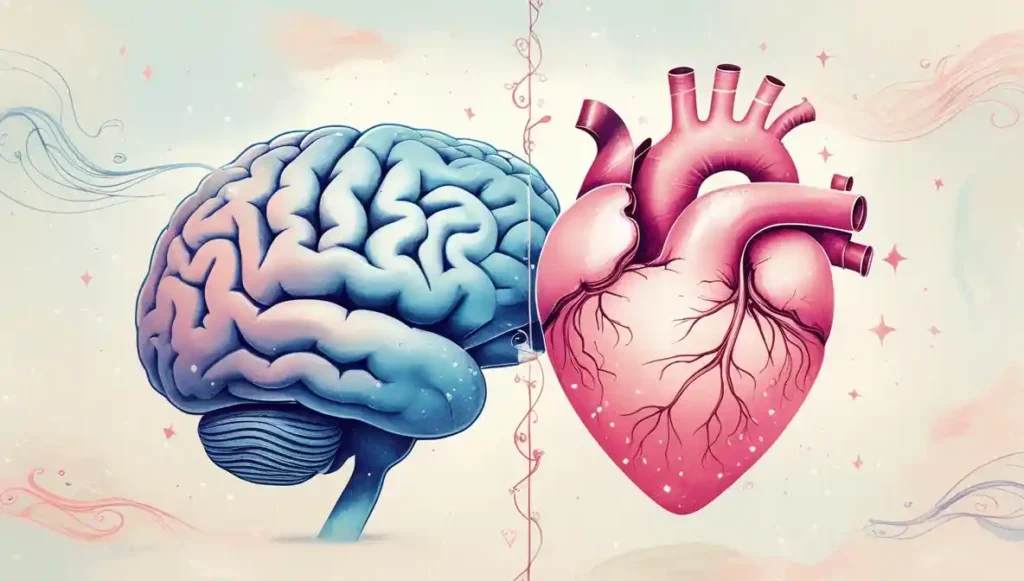
Healing doesn’t start with cutting someone off—it starts with reclaiming your emotional space.
Step one is creating distance, not punishment.
You’re not being rude; you’re resetting your nervous system.
You begin recovering by:
- taking time away from emotional intensity
- grounding your thoughts before replying
- recognizing what was forced and what was mutual
- letting silence help you see the situation clearly
- choosing connection that respects pacing
Recovery requires gentleness, not urgency.
This is your heart, not a negotiation.
When Do You Know You’re Finally Healing and Your Self-Trust Is Returning?
Healing doesn’t arrive in one big moment—it shows up in small shifts inside you. A softer breath. A clearer thought. A moment where your heart doesn’t feel pulled toward the person who overwhelmed you. Slowly, you begin recognizing that your emotions belong to you again, not to the intensity someone else created.
You know recovery is beginning when:
- You stop replaying their emotional stories in your mind
- Their urgency no longer feels like your responsibility
- You can take space without anxiety
- Your body feels calmer, less hijacked
- You start seeing the situation for what it was, not what it felt like
Healing is not forgetting them.
Healing is remembering yourself.
How Can You Rebuild Your Boundaries and Sense of Self After the Emotional Overload?
Emotional flooding pushes you into a role you never agreed to—caretaker, therapist, savior, emotional anchor. So recovery requires rebuilding the parts of you that were stretched thin.
This is where boundaries matter most.
Rebuilding yourself looks like:
- Saying “I need space” without apologizing
- Allowing yourself to respond slower
- Trusting your discomfort instead of ignoring it
- Reclaiming time for your own emotional needs
- Letting your inner voice speak louder than someone else’s urgency
Your identity deserves space to breathe.
Boundaries give it oxygen.

What Steps Help You Heal Without Closing Your Heart to Future Love?
The goal of recovery is not to harden—it’s to become wiser. You don’t want to build walls; you want to build filters. You want to learn the difference between real intimacy and emotional pressure so your heart stays open but safe.
The most powerful steps include:
- Practicing slow pacing in new connections
- Choosing people who respect emotional timing
- Letting trust unfold instead of rushing it
- Checking how you feel in your body—safe or tight?
- Reminding yourself that love should feel calm, not chaotic
You don’t need to stop believing in love.
You only need to stop believing that love must arrive in a storm.
Why Does Recovery Require Rewriting Your Internal Story About Closeness?
Floodlighting teaches the wrong lesson: that depth comes fast, that intensity equals connection, that vulnerability is a currency you must respond to immediately. To heal, you must rewrite the meaning of intimacy in your system.
Rewriting your internal story means:
- Understanding that real closeness is built, not forced
- Accepting that slow intimacy is safer and more real
- Letting go of the belief that emotional intensity equals truth
- Realizing that love respects your boundaries, not invades them
Your story about closeness matters—
because the story you believe becomes the love you accept.

Conclusion
Learning how to Recover After Being Floodlighted is ultimately about choosing yourself again. It’s about reclaiming your pace, your boundaries, and your emotional clarity. The intensity may have felt like connection, but true love doesn’t rush, overwhelm, or pressure—it grows slowly, safely, and with mutual intention. When you understand what happened and heal at your own rhythm, you step into relationships with clearer vision, stronger intuition, and a heart that listens to itself first.
Disclaimer: This post is for informational and emotional support purposes only. Every relationship is unique, and this is not professional legal, medical, or mental health advice. Read our full disclaimer.
Affiliate Disclosure: Some links in this post may be affiliate links. If you make a purchase through them, I may earn a small commission at no extra cost to you. Learn more here.
Pingback: I Was Floodlighted by My Ex | Emotional Recovery - Love and Breakups