
I’m not sure when dating started feeling like a game I never signed up for.
One day, it was cute texts and late-night calls. The next, silence.
I used to blame myself—maybe I said too much, maybe I wasn’t enough.
But now I know better.
2025 isn’t just another year of swiping—it’s the year women are calling out the dating trends women are done with.
I once thought crumbs meant care: Breadcrumbing and the illusion of effort
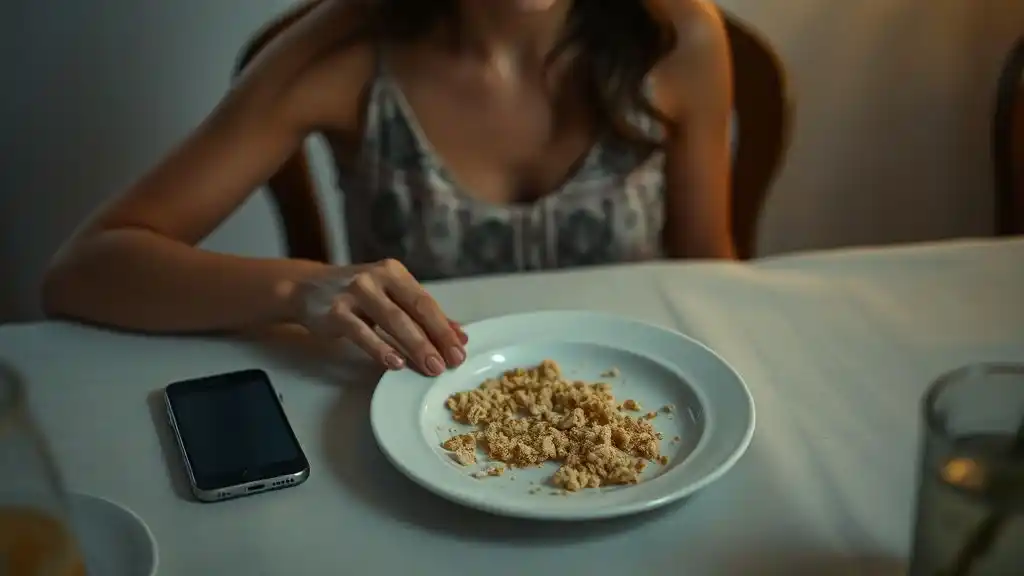
He texted just enough to keep me interested.
A “good morning” after three days of silence.
A heart emoji after ignoring my message.
It wasn’t love—it was breadcrumbing.
Breadcrumbing is when someone gives you small doses of attention to keep you hooked without real effort.
They never commit, but they never let you walk away either.
I used to think, “At least he’s still reaching out.”
Now I realize that minimal effort isn’t affection—it’s control.
Breadcrumbing teaches you to settle for less, to mistake crumbs for a dinner date.
Here’s what helped me recognize it early:
- If his texts feel like hope bait, not genuine care—step back.
- If plans never turn into action—it’s not confusion; it’s avoidance.
- If you’re always waiting for him, he’s already left.
I was ghosted and then told it was my fault: Ghostlighting’s quiet cruelty
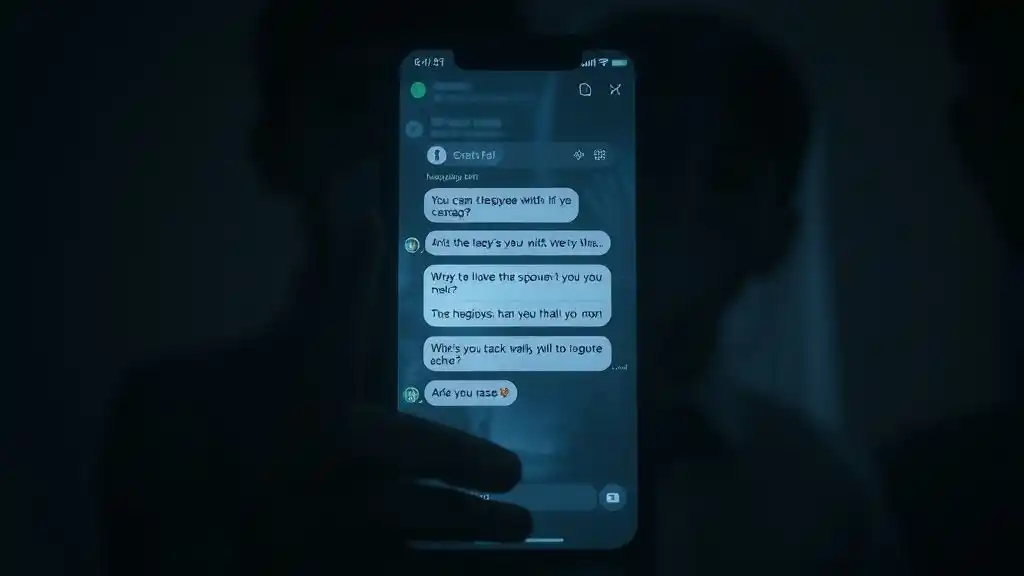
He disappeared for two weeks.
Then came back with, “I just felt like you didn’t care enough.”
That’s when I learned the word ghostlighting—the mix of ghosting and gaslighting.
It’s not just vanishing; it’s rewriting the story after they disappear.
They make you question your memory, your reactions, your worth.
In modern dating, this trend is poison.
Ghostlighting leaves women emotionally dizzy—unsure if they imagined the connection at all.
It’s the ultimate silent punishment wrapped in guilt.
Now, when someone pulls away and blames me for their silence, I don’t chase.
I remind myself: healthy love doesn’t require detective work.
I thought oversharing meant openness: Floodlighting’s false intimacy
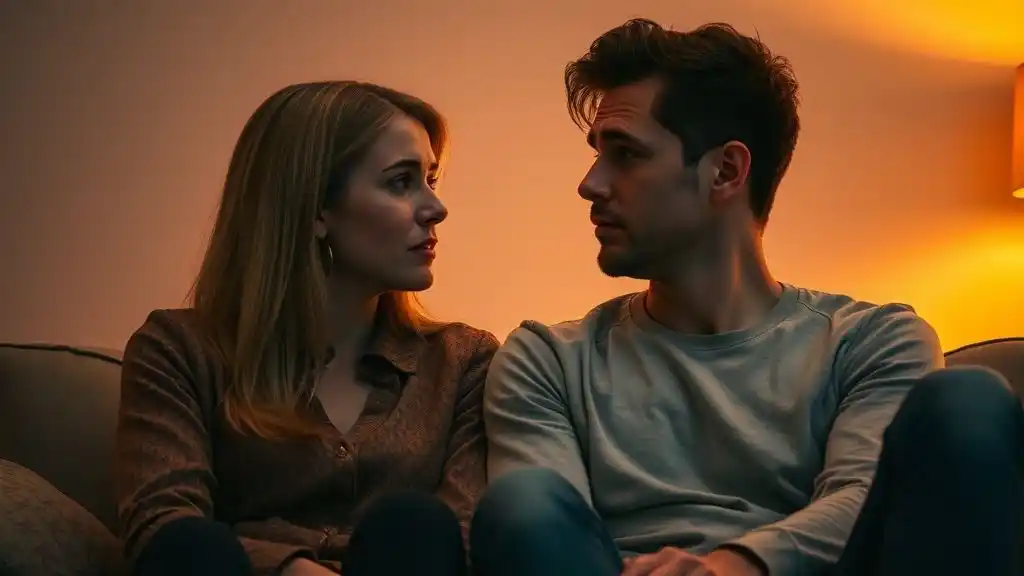
He told me about his childhood trauma on the first date.
It felt deep, honest, real.
But soon, I noticed something—he used emotional oversharing to build instant trust, then used that trust to manipulate.
That’s floodlighting—when someone floods you with personal stories too soon, creating fake intimacy.
You feel bonded, but you’re actually being cornered emotionally.
It’s the new-age love trap.
Quick intimacy, fast emotional access, and zero accountability.
I learned to slow down.
To remember that depth built overnight usually collapses the next day.
I kept reliving the same heartbreak: Situationship recycling
Every guy felt like a remake of the last.
Different face, same storyline: no labels, no clarity, no peace.
That’s situationship recycling—where we repeat the same emotionally safe but painful pattern.
It’s familiar chaos. You think, “This time, I can handle it.” But the ending’s already written.
I realized I was addicted to almost relationships—they gave me emotional highs without true connection.
Breaking that loop meant facing the truth: comfort isn’t the same as compatibility.
Now, I choose discomfort that grows me over comfort that breaks me slowly.
I used to think romance was real—now it feels curated: The algorithm of love
He seemed perfect.
Liked my favorite band, shared my humor, even texted at the exact time I usually checked my phone.
It felt cosmic—until I realized, it was just curated.
AI and data-driven apps have turned dating into a filtered fantasy.
We meet people who are algorithmically designed to seem ideal—but rarely are.
It’s not always manipulation; sometimes, it’s marketing.
Love is becoming transactional—profiles built like brands, conversations optimized for engagement.
And women? We’re waking up to it.
Because this, too, is part of the dating trends women are done with—the kind that makes us question what’s real and what’s coded.
I used to think this was just “normal dating”: Why we keep saying yes
For years, I called it “just how dating works.”
Ghosting, games, disappearing acts—every woman I knew had a story.
It started to feel like pain was the entry fee for connection.
But that’s the trap—these toxic patterns have been normalized.
We’ve been conditioned to see emotional inconsistency as mystery, detachment as confidence, and mixed signals as challenge.
Why do we keep saying yes?
- Because we fear being alone more than being hurt.
- Because we confuse “chemistry” with “chaos.”
- Because love stories online make toxicity look romantic.
Now, I pause when something feels off but familiar.
Because familiarity doesn’t mean safety—it often means a repeated wound.
It took me years to realize: when I say yes to what hurts, I’m saying no to myself.
I finally learned how to spot them early—and choose me first

One night, after crying over a text that never came, I asked myself,
“What if I stopped analyzing them, and started choosing me?”
That question changed everything.
Recognizing modern dating red flags isn’t about cynicism—it’s about self-protection.
It’s knowing that emotional labor shouldn’t be one-sided.
Here’s how I started protecting my peace:
- Notice effort, not excuses. If you’re always understanding, but rarely understood, that’s your answer.
- Set pace, not pressure. Real connection takes time—if someone rushes intimacy, slow it down.
- Choose clarity. If you have to decode every message, it’s not love—it’s confusion dressed as romance.
This is what healing looks like in 2025—quiet, intentional, and self-led.
It’s not about closing your heart; it’s about guarding your energy.
Because choosing myself isn’t selfish—it’s sacred.
And I’m proud to say, I’m part of the dating trends women are done with—the ones who refuse to keep loving in survival mode.
Conclusion: The year we stopped apologizing for wanting real love
I used to think love had to be earned through patience, pain, and proving myself.
Now, I see that love isn’t something I chase—it’s something I attract when I’m grounded in self-worth.
2025 is the year women stopped apologizing for expecting effort, honesty, and depth.
The year we stopped romanticizing red flags and started walking away faster.
We’re not bitter—we’re awake.
And that’s why these are truly the dating trends women are done with—not out of anger, but out of love for ourselves.
Disclaimer: This post is for informational and emotional support purposes only. Every relationship is unique, and this is not professional legal, medical, or mental health advice. Read our full disclaimer.
Affiliate Disclosure: Some links in this post may be affiliate links. If you make a purchase through them, I may earn a small commission at no extra cost to you. Learn more here.
Pingback: Healing After Love That Hurts - Love and Breakups