
Have you ever wanted to walk away — from a person, a place, or a moment — but your body just wouldn’t move?
Your heart races, your breath shortens, and even though your mind is screaming “go!”, your body feels stuck, frozen, or even pulled back.
This strange tug-of-war between your mind and your body can feel confusing and exhausting. You tell yourself you should leave, but something deep inside keeps you still. It’s not weakness. It’s your nervous system trying to protect you — even when it no longer needs to.
Let’s gently explore why this happens, how trauma and emotions get trapped in the body, and how you can begin to reconnect and heal.
Why Does My Body Go Back When My Mind Wants to Leave?
Sometimes, your mind clearly knows — “I need to walk away.”
But your body doesn’t follow. You freeze, you hesitate, or you even find yourself going back to the same situation that hurt you.
You might think, “What’s wrong with me?” But there’s nothing wrong. This is how the human nervous system works.
When the body has experienced trauma, fear, or emotional pain, it remembers.
Even if your mind understands it’s time to move on, your body keeps the score — it holds old fear, pain, and confusion in your muscles, breath, and heartbeat.
Example: You know your relationship is unhealthy, yet you keep returning. That’s not weakness — it’s your nervous system response trying to avoid danger, even if the danger isn’t real anymore.

What Happens in the Brain and Body?
When you face stress or emotional pain, your brain activates your survival instinct — fight, flight, freeze, or fawn.
That’s your body’s ancient way of protecting you.
In a painful moment, the brain’s alarm center (the amygdala) can hijack logic.
You get an adrenaline rush, your cortisol spikes, and your body prepares to defend or hide.
Even if your mind says, “It’s fine, I can leave,” your body might still feel unsafe.
Over time, this becomes automatic. Your body memory learns to react before you even think.
Why Do Emotions Control Physical Reactions?
That’s why strong feelings — fear, guilt, sadness, love — can completely override logic.
When you’ve been through painful experiences, your body learns that leaving or changing can equal danger.
So even when your mind is ready, your body stays frozen, trying to protect you from pain.
This is called an emotional hijack — when your body’s survival system takes control. It’s not you being weak; it’s your body being loyal.

How Past Experiences Shape Reactions Today
Your body reacts based on old memories, not just what’s happening now.
If you once faced fear, rejection, or trauma, your body might store that memory — a process called conditioning or trauma repetition.
Later in life, when something even slightly reminds your body of that old pain, it reacts instantly — tense muscles, racing heart, frozen limbs.
That’s associative memory. Your body doesn’t know it’s safe now; it only remembers the feeling.
Sometimes we find ourselves repeating painful patterns — going back to people or places that hurt us — not because we want to, but because our body is trying to “redo” the story and finally make it safe.
When It’s Not Just in Your Head: Medical and Psychological Causes
If you often feel stuck between what your mind wants and what your body does, it could connect to deeper conditions.
Anxiety, depression, PTSD, or dissociative disorders can all create this disconnection.
You might feel detached from your body (depersonalization) or like life doesn’t feel real (derealization).
In some cases, panic attacks or even sleep paralysis can make your body freeze while your mind stays awake.
If this happens often or affects daily life, please know it’s not your fault — and help exists.
Can You Heal or Retrain Your Body’s Response?
Yes — your body can learn to feel safe again. Healing is possible.
The key is not to fight your body, but to retrain it gently.
Here are a few ways to help:
- Deep breathing – Slow, steady breaths signal safety to your nervous system.
- Mindfulness – Notice your body sensations without judgment.
- Movement therapy – Gentle exercise, stretching, or walking helps release trapped tension.
- Somatic therapy – Works directly with body memory to calm old trauma.
When your body feels safe, it listens to your mind again.

Practical Tips: What to Do in The Moment
When you feel that frozen feeling — that pull to stay when you want to leave — try grounding yourself.
- Name five things you can see and one you can touch.
- Feel your feet on the floor; press them down gently.
- Take three deep belly breaths.
- Remind yourself: “I am safe right now.”
These small actions calm your nervous system, helping your body and mind reconnect.
When to Get Help
If this pattern shows up often — in relationships, work, or daily choices — it might be time to reach out.
Therapists trained in trauma-informed care, somatic therapy, or counseling for anxiety can help you understand your reactions and rebuild trust with your body.
Getting help early prevents these patterns from becoming automatic. It’s not about being broken — it’s about learning safety again.
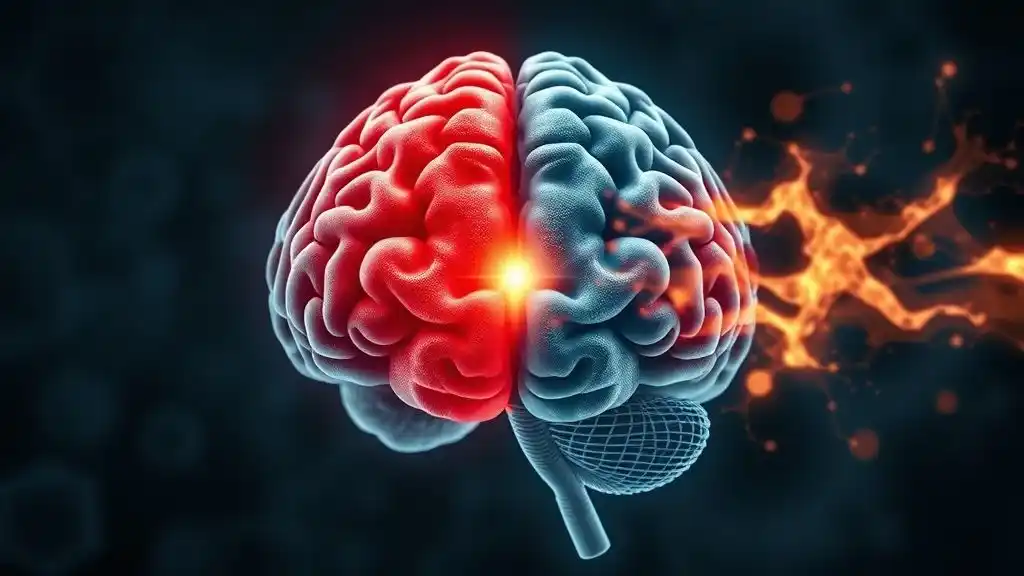
Conclusion: Why Does My Body Go Back When My Mind Wants to Leave?
Your body isn’t betraying you — it’s protecting you in the only way it knows how.
When it feels unsafe, it holds you back, even when your mind is ready to move on.
Healing takes time, and your body deserves patience, not punishment.
Start by listening — your body’s reactions are messages, not mistakes.
One day, you’ll notice the shift — your mind and body finally moving in the same direction.
That’s mind-body harmony. That’s freedom.
So if your body goes back while your mind wants to leave, take a breath. You’re not alone.
You’re just learning to speak the quiet language of your own nervous system — and that’s where real healing begins.
FAQ Why Does My Body Go Back When My Mind Wants to Leave
Q: Why does my body freeze or go back when I know I should leave?
A: I’ve been there — one moment I knew I had to walk away, the next my body jolted back. Recent research shows that past trauma can rewire our nervous system so deeply that our body responds automatically before the mind has a chance. For example, a study found that individuals with a trauma history showed altered brain-network connectivity when facing stress.
Q: Can strong emotions really hijack my body even when I’m thinking clearly?
A: Yes — our body’s built-in survival system can override rational thinking. When the nervous system senses threat, it triggers automatic responses: fight, flight, freeze or fawn. A 2025 review of trauma and emotion regulation highlights exactly this mechanism.
Q: How do I know if this isn’t just “in my head” but something physiological?
A: Because it shows up in measurable ways — for instance, one article explains how trauma exposure alters visual cortex reactivity and brain-connectivity, pointing to real physical changes linked to trauma.
Disclaimer: This post is for informational and emotional support purposes only. Every relationship is unique, and this is not professional legal, medical, or mental health advice. Read our full disclaimer.
Affiliate Disclosure: Some links in this post may be affiliate links. If you make a purchase through them, I may earn a small commission at no extra cost to you. Learn more here.
Pingback: I’m haunted by memories of our good times and can’t move on - Love and Breakups