
“I can’t stop loving someone who used me for attention.”
It’s a sentence soaked in exhaustion — the kind that lives quietly in your chest even when you’ve stopped talking to them.
Loving someone who used you doesn’t fade overnight. Because it wasn’t only love — it was validation, hope, and the feeling that maybe this time you were finally seen. You weren’t addicted to the person; you were addicted to the moments when their attention made you feel enough.
But when that attention turns cold, the silence feels unbearable. You keep replaying every laugh, every message, every “I miss you” that later became “you’re overreacting.”
This is where love stops being connection — and starts becoming emotional manipulation.
Understanding Loving Someone Who Used You
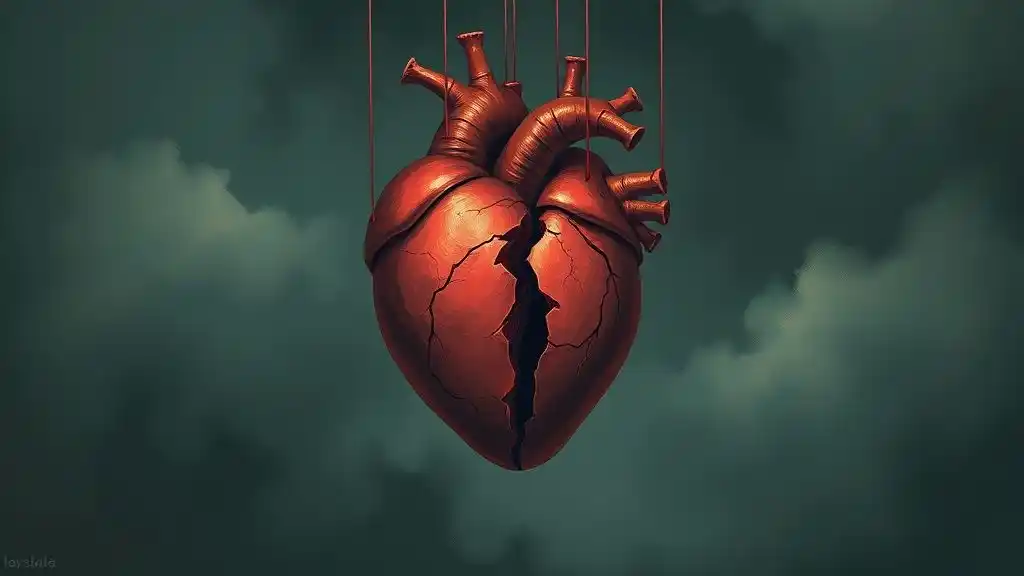
In 2025, psychology reports show a sharp rise in people searching for answers about loving someone who used them. According to Frontiers in Psychology (2025), emotional dependency and love addiction in manipulative relationships increased by 18% compared to last year.
Experts call this “attention addiction.” It happens when someone gives you just enough affection to keep you hooked — then pulls it away to keep control.
You tell yourself they care, because sometimes they do. But mostly, they care about being wanted.
You stay, not because you’re weak, but because manipulation confuses your emotional compass. They create a world where your love becomes proof of loyalty, and their distance becomes punishment for not being “understanding enough.”
When that happens, you’re not loving freely anymore — you’re surviving on emotional crumbs.
The Cycle of Emotional Dependency

At first, everything feels magical. They flood you with attention — texts, calls, affection — and your heart races with hope.
Then slowly, they pull back. You wonder what you did wrong.
This pattern is known as intermittent reinforcement, and as noted in the International Journal of Indian Psychology (2025), it’s one of the strongest psychological traps in emotional abuse.
Every sudden silence makes you crave their attention more.
Every small act of kindness feels like love again.
It’s not love; it’s conditioning.
Social media makes this worse — they might watch your stories but not reply, like your photo but ignore your message. These micro-interactions create confusion between attention and intimacy.
Before you realize it, your happiness starts depending on whether they notice you today.
That’s not connection — that’s control.
Why It’s Hard to Stop Loving Someone Who Used You
You’re not weak for struggling to move on.
Your brain literally works against you.
When you love someone, your brain releases dopamine, the “reward chemical.” Every small approval — a text, a hug, a compliment — becomes a chemical hit. Even after betrayal, your brain remembers that feeling and craves it again, confusing pain for passion.
People with unresolved attachment wounds often mistake chaos for chemistry. That’s why toxic love can feel more “intense” than healthy love.
According to relationship psychologists, people with high love addiction scores often justify harmful behavior:
- “They’re just scared of commitment.”
- “They’ll change when they see I really care.”
- “It’s not manipulation — it’s love.”
But love that constantly hurts isn’t love — it’s emotional dependency wrapped in hope.
Breaking the Attachment Loop

The hardest part of healing from loving someone who used you is not deleting their number — it’s reprogramming your mind to stop searching for their validation.
Therapists recommend Cognitive Behavioral Therapy (CBT) to break this pattern. CBT helps you recognize distorted thoughts like “I can’t be happy without them” and replace them with balanced truths like “I can miss them and still heal.”
Another effective approach is Boundary Reintroduction Therapy, where you slowly rebuild your sense of control by saying no — not to them, but to emotional chaos.
Try journaling your triggers:
- When do you feel the urge to reach out?
- What emotion are you actually craving — love, safety, or closure?
Write reminders like:
“I was used, not because I was unworthy, but because I was available to love fully.”
Healing begins when you stop blaming yourself for someone else’s manipulation.
Healing and Reclaiming Self-Respect
Recovery isn’t just about moving on — it’s about moving back to yourself.
After emotional manipulation, your nervous system stays on alert. You might replay memories, question your judgment, or fear trusting again.
This is normal. Healing from loving someone who used you means learning emotional neutrality — being able to think about them without spiraling.
Here’s what helps:
- Replace obsession with self-affirmation.
Each time you think, “I miss them,” say, “I miss the way I felt when I mattered.”
Then remind yourself: you still matter. - Rebuild your support system.
Spend time with people who don’t make you earn affection. - Practice grounding.
Mindfulness and breathing exercises calm the overactive fear centers that manipulation triggers.
Therapy circles and online communities (like Love Addiction Recovery forums) can help you realize you’re not alone — millions are learning to let go of love that used them.
Real-World Reflection: I Was There Too
A few years ago, I loved someone who never truly loved me back. They didn’t break up with me — they just disappeared in small, silent ways.
They’d go days without replying, then reappear with the sweetest words.
And I’d melt. Every time.
When it finally ended, I wasn’t mourning them — I was mourning the version of myself I became while trying to be enough.
One night, I wrote in my journal:
“They didn’t use me because I was worthless. They used me because I gave everything freely.”
That realization didn’t erase the pain, but it gave it meaning.
Because healing isn’t about hating them — it’s about choosing yourself again.
The Turning Point: Choosing Peace Over Pain

After you’ve been used, love feels dangerous.
But love itself isn’t the enemy — manipulation is.
The turning point comes when you start setting boundaries without guilt. When you no longer explain your worth to people who only listen when they need something.
You begin to see that peace is not boring — it’s safe.
And in that safety, your real self starts to return.
Conclusion: Real Love Doesn’t Use — It Holds
Loving someone who used you doesn’t make you naïve or foolish — it makes you human. You wanted to believe in love so deeply that you gave the benefit of the doubt to someone who never earned it.
But healing starts when you stop asking, “Why wasn’t I enough for them?” and start realizing, “They weren’t safe for me.”
You can love them and still let them go.
You can forgive without returning.
You can choose peace without needing closure.
Because real love doesn’t use you for attention — it holds you with care.
It doesn’t confuse you — it comforts you.
It doesn’t take pieces of you to fill its emptiness — it helps you grow whole again.
You deserve love that honors your existence, not one that feeds on your pain.
Because real love doesn’t hurt to keep — it heals when it’s real.
Disclaimer: This post is for informational and emotional support purposes only. Every relationship is unique, and this is not professional legal, medical, or mental health advice. Read our full disclaimer.
Affiliate Disclosure: Some links in this post may be affiliate links. If you make a purchase through them, I may earn a small commission at no extra cost to you. Learn more here.
Pingback: I feel crazy for wanting space he cries I don’t care - Love and Breakups
Pingback: When Your Partner Flips Between Soulmate and Stranger - Love and Breakups
Pingback: Being called too sensitive? Learn to heal and take power back. - Love and Breakups