When They Vanish, Then Reappear Like Nothing Happened
Imagine this — you’ve been texting someone every day. They know your sleep schedule, your favorite snack, even the weird way you say “goodnight.” Then one day, they just disappear. No warning. No explanation. Just silence. That’s ghosting — the digital vanishing act Gen Z knows all too well.
Now imagine they come back weeks later, saying “Hey, I was just busy”, acting like nothing happened, or worse, blaming you for being “too emotional.” That’s ghostlighting — a toxic remix of ghosting and gaslighting, designed to confuse your heart and mind.
In Gen Z’s world of DMs, streaks, and seen receipts, Ghostlighting vs Ghosting isn’t just a dating issue — it’s a mental health one. Let’s unpack what makes them different, why they hurt so much, and how to heal without losing your self-worth.
Understanding the Core Difference — Why Ghostlighting Cuts Deeper
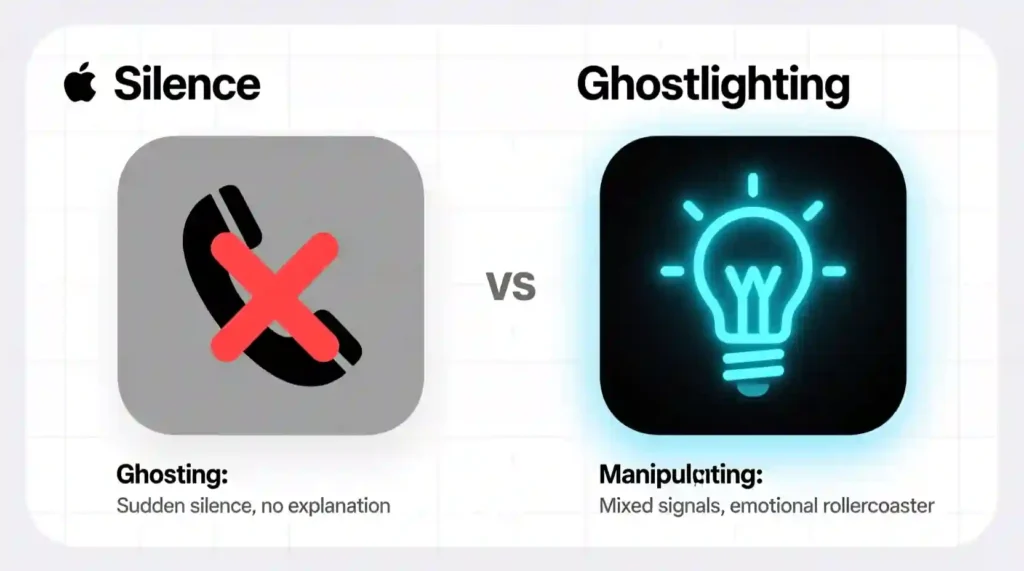
At its core, ghosting is silence. Ghostlighting, on the other hand, is silence followed by manipulation.
- Ghosting: Someone vanishes mid-conversation or relationship without warning or closure. You’re left wondering if you did something wrong, replaying texts like a crime scene.
- Ghostlighting: They disappear, then reappear as if nothing happened — or twist the narrative to make you question your reality.
It’s the difference between being ignored and being emotionally gaslit.
Gen Z faces this more than any generation before because relationships now live on screens. The texting culture — instant replies, streaks, read receipts — has made emotional availability a digital performance. When someone pulls away, the silence feels louder than ever.
I once waited two weeks for a “busy” guy to reply, only to get a random meme like nothing happened. That moment taught me — some people don’t want connection, they want control.
How Each Affects Mental Health

Ghosting — The Wound of Abandonment
Being ghosted triggers deep emotional pain, often called abandonment anxiety. It’s not just about missing someone — it’s about feeling erased.
When someone cuts off communication suddenly, your brain craves closure but gets none. You replay every message, trying to “decode” what went wrong. You might even start believing you’re too much or not enough.
This creates a cycle of anxiety and self-blame that mirrors emotional withdrawal symptoms. You start scrolling through old chats like they’re proof of your worth.
Ghostlighting — The Trap of Self-Doubt
Ghostlighting adds a cruel twist: confusion. You start to question your memory, your emotions, even your sanity.
They say things like:
- “I never said that.”
- “You’re overreacting.”
- “I was just busy, chill.”
And suddenly, you’re apologizing for being hurt. You stop trusting your instincts. This emotional gaslighting can spiral into shame, low self-esteem, and emotional exhaustion.
It’s like standing in fog — you can’t see where you stand, but you keep hoping they’ll clear the air.
Social Media’s Role in Both
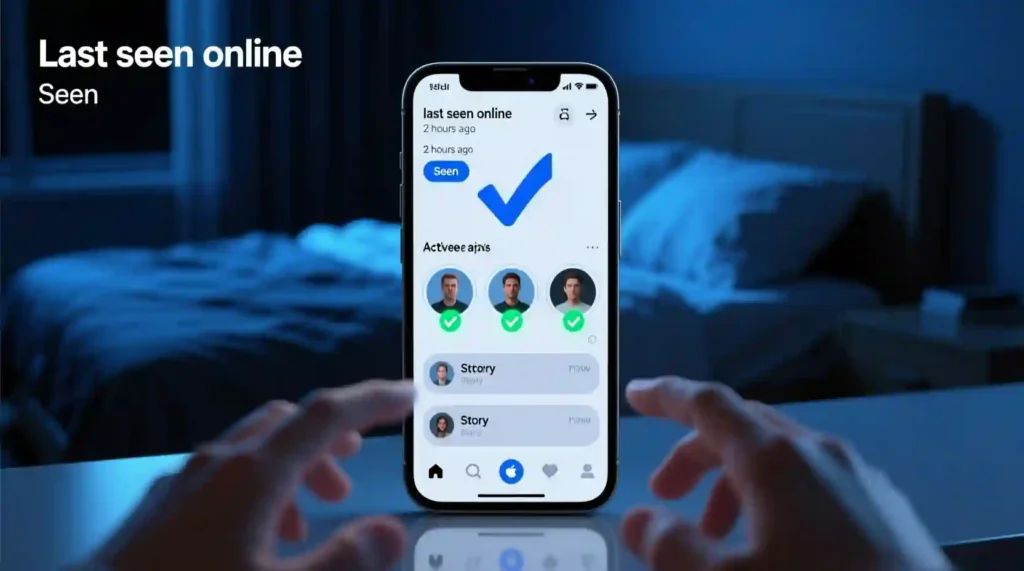
Social media makes both ghosting and ghostlighting visible and painful.
The Read Receipt Trap
You see the “seen” checkmark, but no reply. Your stomach drops. That blue tick becomes a silent rejection letter.
The “Last Seen” Anxiety
You notice they’re online, posting memes or watching stories, but ignoring you. It’s digital rejection — in real time.
The Illusion of Connection
They might still watch your stories or like your posts, giving false hope. You think they care, but in reality, they just want to keep you emotionally hooked.
Online closure feels impossible because the person isn’t gone — they’re lurking, reshaping your reality from a distance.
How to Respond Calmly
When you realize you’ve been ghosted or ghostlighted, your instinct might be to demand answers. But chasing confusion rarely brings clarity.
Here’s how to protect your peace:
- Pause before reacting. Breathe. Don’t text out of pain.
- Send a short, calm message. Something like: “I noticed things went quiet. I value honest communication, so I’m choosing to step back. Take care.”
- Don’t beg for closure. You deserve mutual effort, not explanations forced from silence.
- Block or unfollow if needed. Protecting your peace is not petty — it’s self-respect.
Once I stopped chasing explanations, I found peace in knowing silence was an answer too.
Healing After Ghostlighting vs Ghosting
Healing looks different depending on which one you’ve faced — but both require self-validation and emotional literacy.
Healing from Ghosting
- Accept that closure might never come.
- Stop romanticizing their silence.
- Write down what you wish you could say and then delete it — it’s for you, not them.
Healing from Ghostlighting
- Ground yourself in reality. Keep screenshots if needed — not for revenge, but to remind yourself you weren’t “crazy.”
- Reconnect with friends who remind you of who you are outside that confusion.
- Practice saying: “That did happen, and my feelings were valid.”
Both require rebuilding trust — not just in others, but in yourself. The real closure comes when you stop needing them to admit what they did.
The Takeaway — Ghostlighting vs Ghosting in Gen Z Love

So, Ghostlighting vs Ghosting isn’t just a vocabulary lesson — it’s a mirror to how digital relationships have blurred emotional boundaries.
Ghosting hurts because it ends things without reason.
Ghostlighting hurts because it makes you question your reason.
In both cases, you’re left learning how to stand alone — and that’s where real healing begins. Sometimes peace means accepting you’ll never get an explanation, only lessons.
If you’ve ever been ghostlighted or ghosted, remember: silence and confusion don’t define your worth — how you rise after them does.
💭 Reflection Question:
Have you ever experienced ghostlighting without realizing it? What did it teach you about emotional clarity and self-respect?
FAQ: Ghostlighting vs Ghosting (SEO Schema)
Q1. Is ghostlighting worse than ghosting?
Yes. Ghostlighting combines emotional disappearance with manipulation, causing deeper confusion and self-doubt.
Q2. Why do people ghost or ghostlight?
Often because they lack emotional maturity or fear confrontation. It’s about avoiding discomfort, not your worth.
Q3. How do I heal from being ghosted or ghostlighted?
Focus on self-validation, rebuild trust in yourself, and practice emotional boundaries. Therapy or journaling can also help process the pain.
Q4. Should I confront someone who ghostlighted me?
Only if it brings you closure — not to change them. Sometimes silence is the most powerful response.
Conclusion: Ghostlighting vs Ghosting — Your Peace Is the Final Word
Whether someone ghosts you or ghostlights you, remember this: you don’t owe anyone endless explanations, and you don’t need to prove your pain. Both behaviors say more about their emotional immaturity than your worth.
Healing isn’t about revenge or replies — it’s about reclaiming your energy, setting digital boundaries, and learning that love doesn’t live in confusion.
You deserve connection that feels calm, not chaotic. And if someone fades or flips your truth — let them. The ones meant for you won’t disappear when it’s inconvenient to care.
Disclaimer: This post is for informational and emotional support purposes only. Every relationship is unique, and this is not professional legal, medical, or mental health advice. Read our full disclaimer.
Affiliate Disclosure: Some links in this post may be affiliate links. If you make a purchase through them, I may earn a small commission at no extra cost to you. Learn more here.
Pingback: Cheating Girlfriend Signs Discover 2025's top digital and behavioral - Love and Breakups