
Everyone lies about where they met their partner. They say “through friends” when it was actually a random night out that turned into something real. Or they mumble something vague like “we just clicked somewhere.” But here’s the truth — love doesn’t just happen. It’s built, quietly, in the background of places designed to make people collide. The real secret about where couples meet in real life is that architecture — not algorithms — creates connection.
According to recent studies, over 63% of couples still meet offline, even in a world obsessed with dating apps. But here’s what most people miss: these meetings aren’t accidents. They’re engineered by the layout of spaces — the lighting, the seating, the way people move and linger. This post will walk you through how modern environments create chemistry without you even realizing it — and how you can step into those spaces with intention.
Welcome to the architecture of attraction — the unseen blueprint behind every real-life love story.
The Death of “Third Places” and Why It Matters for Modern Dating
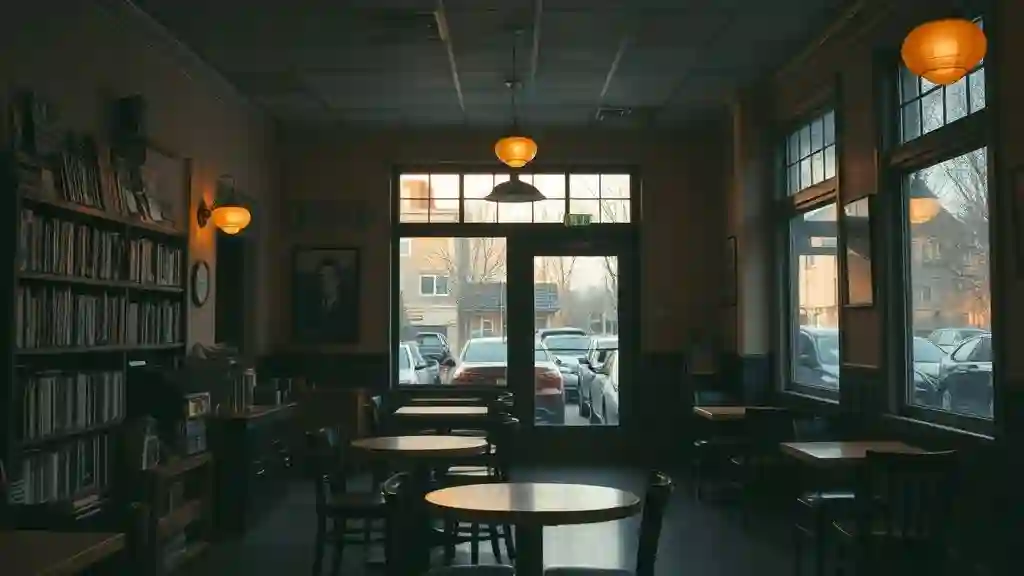
Sociologists call them “third places” — the social spaces that aren’t home (the first place) or work (the second). Think of coffee shops, bookstores, community centers, and even your local park. They’re the quiet corners where we once used to bump into our future partners without realizing it.
But over the last few decades, these third places have been disappearing. Cafes turn into work hubs. Bookstores close. Parks go quiet. And with their decline comes a loneliness epidemic — a sense of being surrounded by people yet feeling completely unseen.
Why does this matter for dating? Because chemistry doesn’t just happen between two people. It’s created by the environment around them. The sound of soft chatter, the smell of coffee, the rhythm of shared space — these sensory cues awaken something human, something primal.
Dating apps removed all of that. They stripped away “ambient intimacy” — that invisible connection that builds when you see someone again and again in the same space, even without speaking. That’s why meeting someone organically feels so rare today. But it’s not impossible. It just requires you to start noticing the spaces around you — the ones that quietly invite connection.
Pro Tip: Real “third places” still exist. Try coffee shops, local gyms, hobby classes, libraries, or your favorite park. These are where singles naturally hang out — not to find someone, but to be someone. That’s the energy that draws people in.
The 5 Spaces Scientifically Designed for Human Connection (And Why They Work)
Love has a pattern. And if you look closely, it repeats itself across the same types of spaces — ones that encourage familiarity, comfort, and natural interaction. Let’s break down the five most powerful real-life dating spots and the psychology that makes them work.
1. Coffee Shops: The Accidental Romance Laboratories
If love had a lab, it would smell like espresso. Coffee shops are where attraction happens in slow motion — no rush, no noise, just two people existing in the same moment.
Ever wonder why so many couples say they met “at a café”? It’s not coincidence. Coffee shops are built for connection. Communal tables, soft lighting, and lingering service times make it easy to see the same faces again and again. You start recognizing people — the girl who orders oat milk lattes, the guy who always sits near the window. Before you know it, your nervous system recognizes them before your mind does. That’s pattern recognition — the foundation of comfort and attraction.
Unlike bars, coffee shops don’t depend on alcohol or dim lights. You’re fully yourself — awake, sober, present. That authenticity builds trust. A study even found that 28% of real-life couples first noticed each other in coffee shops, not because they were “looking” but because the environment encouraged natural eye contact and small talk.
Action tip: Become a regular. Go at the same time every week. Sit at the same spot. Familiarity breeds familiarity — and that’s how the universe starts playing matchmaker.
2. Fitness Spaces: Where Vulnerability Meets Discipline

There’s something magnetic about shared struggle. That’s why gyms and fitness classes are powerful spaces for connection — they mix effort, endorphins, and exposure. You see people at their rawest: sweating, focused, imperfect, but real.
Endorphins released during workouts heighten attraction — it’s called arousal misattribution. Your brain can confuse the physical high from exercise with romantic interest. That’s why those gym smiles hit differently.
But not all fitness spaces are equal. Class-based environments (yoga, CrossFit, dance, spin) outperform open gym floors because they naturally create community. You see the same people week after week. There’s eye contact, shared effort, and conversation built into the structure.
Still, there’s an unspoken etiquette here — what I call gym dating etiquette. Respect boundaries. Avoid interrupting someone mid-set. Connection should feel mutual and organic, not forced.
Action tip: Join a group class or wellness workshop. It’s a subtle way to meet people who already share your values — discipline, self-growth, and balance.
3. Libraries and Bookstores: The Intellectual Intimacy Trap
There’s a special kind of electricity in quiet spaces. Maybe it’s the way time slows down between pages, or how words connect people who’ve never spoken. Libraries and bookstores are the ultimate slow-burn settings — they force creativity, courage, and timing.
A library meet-cute might sound like a movie cliché, but it’s real. Studies show that shared intellectual interests often create longer-lasting relationships. In these quiet spaces, attraction grows through curiosity rather than performance. You don’t need a loud pickup line — a glance at someone reading your favorite author can be enough.
Book choices are mini windows into personality. You can tell if someone’s a dreamer, thinker, or realist just by their section. And since these environments encourage focus, any interaction feels intentional — not random.
Action tip: Attend local readings, author nights, or book clubs. If you spot someone intriguing, linger in the same aisle a little longer. Ask a question about a title — not to impress, but to connect through genuine curiosity.
4. Dog Parks: The Perfect Wingman Ecosystem
There’s no better icebreaker than a wagging tail. Dog parks create natural connection loops because pets instantly remove social barriers. You don’t have to think of what to say — your dog does it for you.
Beyond being adorable, dogs reveal compatibility. The way someone interacts with their pet speaks volumes about empathy, responsibility, and energy. That’s why many couples who meet at dog parks say it feels “easy” — because values align before words even do.
Even if you don’t have a dog, you can still access this world. Volunteer at local shelters or join dog-walking meetups. These communities are filled with kind, emotionally aware people — exactly the type who make great partners.
Action tip: Visit the same park regularly. Go around the same time each day. Repetition creates familiarity, and soon you’ll recognize both faces and furry friends.
5. Grocery Stores at 7 PM: The Overlooked Goldmine
No one expects love between the aisles of produce — which is exactly why it happens there. Grocery stores during early evening hours are quiet magnets for single professionals. It’s where daily life meets human curiosity.
Psychologists call it shopping cart projection — we subconsciously notice what others are buying and form impressions. A basket filled with fresh food might signal health and mindfulness, while certain brands can hint at lifestyle choices.
Whole Foods and Trader Joe’s have quietly become offline dating hotspots, especially in urban areas. They attract people with similar habits, routines, and income levels — the subtle ingredients of compatibility.
Action tip: Shop between 6:30–8 PM. Take your time. Notice people, make brief eye contact, smile. You’re not “looking for love” — you’re existing with openness in a shared rhythm of ordinary life.
Where People THINK They Meet vs. Where They ACTUALLY Meet

We all love a good story about fate. Two strangers lock eyes across a crowded bar. Someone bumps into another in an airport line. It sounds cinematic — but real life doesn’t usually work that way.
When researchers asked couples where they thought they met, the answers leaned predictable: “through friends,” “at a bar,” or “on an app.” But when those same relationships were studied closely, the truth was quieter — and more organic. People met in familiar, low-pressure spaces where they happened to cross paths repeatedly.
That’s the power of the familiarity principle — the more we see someone, the more we tend to like them. It’s not magic; it’s psychology.
Here’s how perception differs from reality:
| Where People Think | Where They Actually Meet |
| Bars/Clubs (40%) | Coffee Shops (28%) |
| Dating Apps (30%) | Fitness Classes (22%) |
| Through Friends (20%) | Grocery Stores (18%) |
We tell stories that sound romantic, but what truly sparks connection is repeated exposure in safe, relaxed environments. The grocery store cashier who remembers your name. The girl from your Thursday yoga class. The person reading the same book two seats away.
It’s not chance. It’s architecture — the invisible design of spaces that allow attraction to grow slowly, naturally, and meaningfully.
The Psychology Behind Why Certain Spaces Create Attraction
When you walk into a café, your heart rate rises just a little — caffeine, background music, gentle chaos. In a gym, it spikes for another reason — movement, adrenaline, energy. These micro physiological reactions aren’t random. They’re deeply tied to environmental psychology — how space influences emotion.
The Mere Exposure Effect explains why proximity builds attraction. Seeing someone often makes them feel familiar and trustworthy. That’s why coworkers or classmates so often fall for each other — it’s less about destiny and more about design.
Then there’s arousal misattribution. When your heart races from exercise or excitement, your brain can misread it as romantic chemistry. That’s why people feel drawn to each other during shared physical or stimulating experiences — like hiking, concerts, or workouts.
Even the environment matters:
- Lighting softens perception and lowers defenses.
- Noise levels allow gentle conversation but keep things casual.
- Scent and movement create subconscious memories.
Put simply, attraction thrives where your senses are awake — not numbed by screens or noise. That’s what dating apps can’t replicate. They show faces, not feelings. The real world gives you both.
How to Use Physical Spaces Strategically (Without Being Creepy)
Let’s be honest: walking up to someone in public can feel terrifying. Nobody wants to be “that person.” But the goal isn’t to hunt — it’s to coexist with intention. To be present, observant, and kind.
Here’s how to approach real-life connection gracefully:
- The Three Encounter Rule: Don’t approach the first time you see someone. Let familiarity build naturally over two or three casual meetings.
- Read the Room: If someone has headphones in or avoids eye contact, respect their space. Attraction only works when comfort does.
- Timing Matters: Coffee shops are best mid-morning; gyms, early evening; parks, weekends. You’ll find people in their natural rhythm.
- Be Curious, Not Clever: A simple “Hey, I’ve seen you here before” works better than a rehearsed line. Authenticity beats performance every time.
- Know When to Exit: If the energy feels off, smile and move on. Grace is attractive — desperation isn’t.
⚠️ Reminder: Never approach someone who’s visibly closed off, in a hurry, or wearing headphones. Respectful observation > unwanted attention.
The secret isn’t “how” to meet someone — it’s learning where to exist fully so connection can find you.

The Secret Blueprint: The Architecture of Attraction
If you’ve ever wondered why certain spaces feel magnetic, it’s because they’re built that way — unconsciously or intentionally. Every table, hallway, and seating arrangement either invites or blocks connection.
Coffee shops use open layouts and warm tones to make strangers feel safe. Parks create flow and movement, allowing spontaneous interaction. Gyms build repetition and routine. Even grocery stores place popular items at cross-path points, increasing the chance of shared glances.
It’s not just design — it’s biology meeting environment. Humans are wired for community. When we share physical space, our mirror neurons fire, our posture adjusts, our emotional radar tunes in. This is how attraction happens without words.
So when people ask, “Where do couples meet in real life?” — the real answer isn’t “at the gym” or “in a café.” It’s in the overlap between attention and environment. In the moments when you’re not looking for love but fully present in your surroundings.
Conclusion: The Real Secret of Where Couples Meet in Real Life
Here’s the truth — the secret to meeting someone isn’t luck, timing, or even fate. It’s architecture. The invisible design of our world quietly engineers human connection.
When you understand it, you stop waiting for love and start walking into it. The café down the street, the yoga class you’ve been too shy to join, the dog park you’ve passed a hundred times — these aren’t random places. They’re the stages where chemistry is waiting to unfold.
So this week, pick one space from this list. Go there often. Become a regular. Make eye contact. Let the universe do its quiet work.
Because the person you’re looking for? They’re not hiding behind an app. They’re sitting by the café window with a half-read book, standing in the same grocery aisle at 7pm, or walking their dog at sunset — waiting for the same kind of real that you are.
The architecture of attraction has been waiting for you all along.
💬 Your Turn: Where did you meet your partner — or where do you dream of meeting someone? Share your story in the comments.
Disclaimer: This post is for informational and emotional support purposes only. Every relationship is unique, and this is not professional legal, medical, or mental health advice. Read our full disclaimer.
Affiliate Disclosure: Some links in this post may be affiliate links. If you make a purchase through them, I may earn a small commission at no extra cost to you. Learn more here.
Pingback: Digital Love Languages: Affection Through Screens in 2025 - Love and Breakups