
Introduction: The Love Nobody Prepares You For
You’re lying next to someone you love, but you feel completely alone.
Not because anything is wrong — but because nobody told you this part was coming.
We grow up believing relationships are either blissful or broken. That if you find “the one,” love should be easy. But the truth is more complicated, more human. Real love moves through stages — not all romantic, not all comfortable, but all necessary.
From the intoxicating first merge to the quiet, questioning years, each phase tests you — your patience, your ego, your boundaries. But if you understand what’s happening, you stop seeing every doubt as a red flag. You start seeing it as a mirror — showing you what kind of love you’re capable of building.
In this post, we’ll go deep into the seven relationship stages — how they unfold, what they reveal, and how to stay true to yourself through every emotional wave.
Stage 1: The Merge (Months 0–6)
“I can’t get enough of you.” That’s how it starts. Until you realize… you’ve disappeared inside the ‘we’.”
This is the first phase of relationships, where everything feels cinematic. You’re high on connection — hours melt into minutes, and their texts can flip your entire mood. You cancel plans, skip meals, and rearrange your life around someone who feels like home.
It’s not your imagination. During this stage, your brain is a chemical cocktail — dopamine, oxytocin, and serotonin flood your system, making love feel like the world’s safest addiction. You crave their presence the way you once craved air.
Your playlists start blending, your words start matching. It feels like fate.
But this “merge” can blur into something dangerous — the slow erosion of self.
You stop noticing when you’re changing your opinions just to align. You start saying “we” instead of “I.” You forget that love is supposed to expand you, not erase you.
Hidden Dangers in This Relationship Stage:
- Losing your identity without realizing it
- Setting patterns that later feel suffocating
- Overlooking incompatibility because everything feels magical
How to Navigate It Without Losing Yourself:
- Keep one hobby that’s just yours — something that existed before them
- Maintain one weekly plan with friends, no matter how much you want to skip it
- Ask yourself: Am I agreeing because I mean it, or because I want them to like me more?
- Try a “Sunday Reset” — two hours alone doing what you loved before they arrived
Healthy relationships begin with two whole people. Merging should feel like connection, not consumption.
Stage 2: The First Crack (Months 6–12)
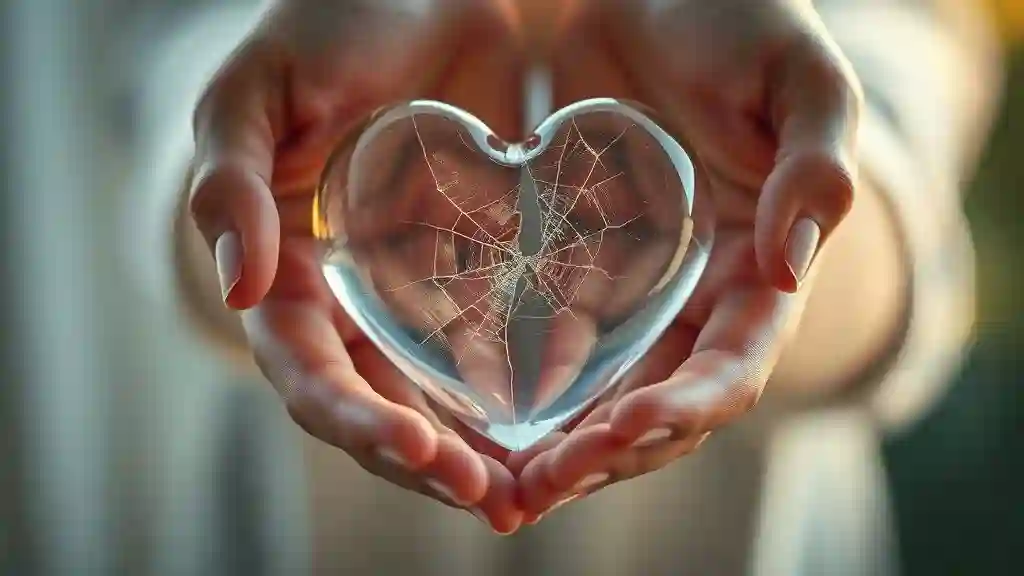
When the shine fades and the small things start to sting.
At some point, something tiny breaks the illusion. Maybe it’s the way they chew. Maybe it’s how they leave messages unread. Or maybe it’s the first time they say something that genuinely hurts — and you can’t un-hear it.
This is the first reality check in the relationship stages timeline — the moment you realize love doesn’t erase differences; it exposes them. The chemistry high wears off. The person you idealized becomes… a person.
You start noticing what they’re not — how they compare to exes, fantasies, or versions you made up in your head. Tiny disappointments gather like dust, invisible until you finally choke on them.
Why It Happens:
- The brain chemistry settles into normalcy
- The “best self” performance fades
- You meet their triggers — and your own
- Expectations collide with reality
You might start wondering, “Is this doubt a sign I’m with the wrong person?” But no — this is when real love begins. Love that includes imperfection, not denial.
Hidden Dangers:
- Believing love should feel effortless
- Thinking “if I have to ask, it doesn’t count”
- Starting the “should I stay or go?” mental loop
- Comparing your relationship to filtered Instagram moments
How to Navigate This Relationship Stage:
- Name your disappointments out loud — it kills their quiet power
- Journal your “ideal vs. reality” to separate fantasy from truth
- Ask for what you need before resentment festers
- And remember: you’re annoying too — empathy keeps perspective alive
Relationship advice: Don’t fear the first crack. It’s proof your connection is real enough to be tested.
Stage 3: The Power Struggle (Year 1–2)

The love story turns into negotiation — who leads, who yields, who matters most.
Every relationship hits this emotional wall — where connection turns into competition. You start fighting over small things: where to eat, how to spend weekends, who texts first. But beneath it, something deeper brews — the fight for understanding.
This is the power struggle stage of a relationship — a psychological dance between two nervous systems trying to protect themselves. You’re no longer performing your best selves. You’re testing if your true selves can coexist.
Arguments feel heavier now. Silence becomes louder. The fear of losing them fights the fear of losing yourself.
Why It Happens:
- Different conflict styles (pursuer vs. withdrawer) collide
- Childhood wounds resurface
- Each partner fights to have their needs seen
- Power, control, and vulnerability intertwine
Hidden Dangers:
- Thinking fighting means failure
- One partner always giving in to “keep peace”
- Turning scorekeeping into emotional debt
- Confusing chaos with passion or control with love
How to Navigate Without Losing Yourself:
- Learn your conflict style — are you the one who chases or the one who hides?
- Pause mid-fight and ask: “What am I actually afraid of right now?”
- Focus on repair attempts, not perfect communication
- Create a “non-negotiable vs. preference” list — it helps you pick real battles
- Take space when needed; distance isn’t rejection, it’s regulation
Relationship communication tip: Fighting isn’t the problem — disconnection is. The couples who make it aren’t the ones who never argue, but the ones who know how to come back afterward.
Stage 4: The Roommate Phase (Year 2–4)
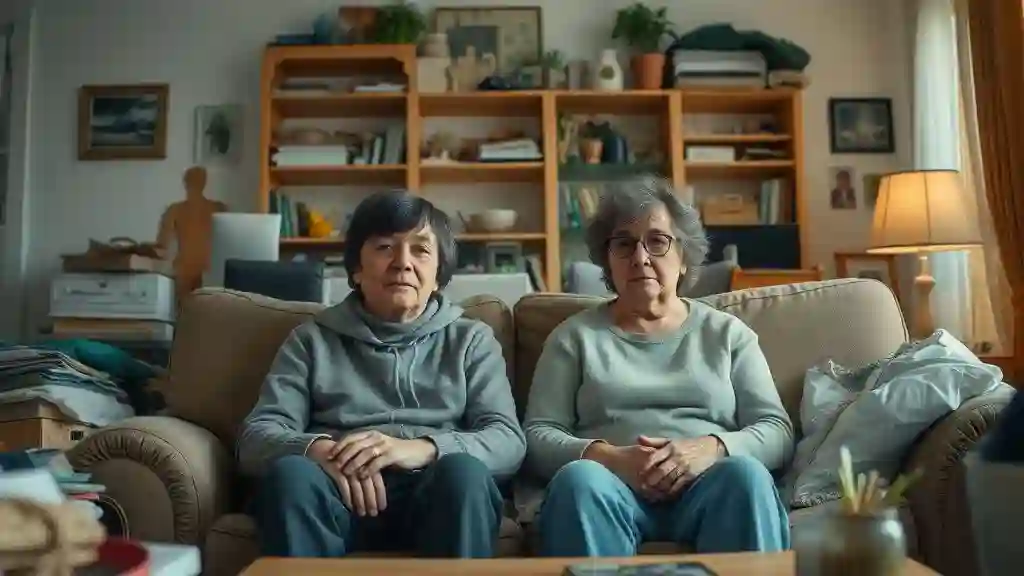
When love becomes calm — maybe too calm.
This phase sneaks up quietly. You’ve built a rhythm: shared groceries, weekend routines, inside jokes that still make you smile. On paper, it’s stable. But emotionally? Something feels muted.
You love them, but the spark that once burned bright now flickers. You talk logistics more than dreams. Passion feels scheduled, like another to-do list item. And a haunting question starts whispering: Is this all there is?
Welcome to the boredom phase in relationships — a predictable, normal plateau that comes after stability. It’s not that love is gone; it’s that novelty is.
Why It Happens:
- The brain adapts — predictability replaces excitement
- Life takes over (bills, responsibilities, chores)
- You stop dating each other
- Familiarity breeds emotional sleepwalking
Hidden Dangers:
- Mistaking comfort for stagnation
- Becoming teammates instead of lovers
- Ignoring emotional distance until it feels like invisibility
- Looking for excitement outside instead of within
How to Navigate It Without Losing Yourself:
- Boredom is fixable. Contempt isn’t. Focus on curiosity, not criticism.
- Use the “Remember When vs. What If” conversation: nostalgia can rebuild desire
- Break one routine per week — change scenery, habits, or conversations
- Try the 2/2/2 rule — date every 2 weeks, escape every 2 months, adventure every 2 years
- Take solo adventures that give you something new to bring back
Relationship reinvention tip: Desire needs space to breathe. Closeness is beautiful, but too much sameness kills mystery. Love thrives not in routine, but in rediscovery.
Stage 5: The Crisis (Year 3–7, or Whenever Life Hits)
The phase that separates fantasy love from forever love.
No one warns you about this one.
You think love is about the big moments — anniversaries, vacations, the highs. But the real test of a relationship happens when life crashes down around you. The crisis stage of a relationship isn’t always about betrayal or heartbreak — sometimes it’s just life showing up with no mercy.
Maybe it’s a job loss.
Maybe it’s a family death.
Maybe it’s the slow grind of exhaustion from responsibilities that neither of you signed up for but now have to face.
Whatever it is, the world stops feeling romantic, and survival becomes the focus. Suddenly, it’s not about “us” versus the world — it’s “you” and “me” trying not to drown in our own pain.
What It Looks Like:
- You argue more but understand each other less
- The person who once felt like a teammate starts feeling like a stranger
- Every conversation feels heavy, loaded with resentment or silence
- Love becomes background noise beneath the chaos of real life
You’ll see your partner at their lowest here — scared, angry, withdrawn, maybe even cruel. And they’ll see you the same way.
Why It Happens:
- Life crises trigger your survival instincts, not your softest self
- Different coping styles collide (one shuts down, one lashes out)
- Stress brings old trauma patterns to the surface
- Emotional bandwidth runs out
The hardest part? Realizing you can’t fix them. You can’t fix life either. You can only decide whether you’ll face the storm side by side — or drift apart quietly.
Hidden Dangers:
- Blaming each other for pain neither of you caused
- Expecting them to heal your wounds
- Turning survival mode into your new normal
- Letting silence replace intimacy
- Losing yourself by becoming caretaker, therapist, or savior
How to Navigate This Stage Without Losing Yourself:
- Remember: you can’t save someone who’s drowning while you’re drowning too
- Practice parallel support — be alongside, not entangled
- Encourage professional help when emotions exceed your tools
- Allow space for grief; not everything heals on schedule
- Recognize the truth: crises end relationships or deepen them
- Take care of yourself first — not as selfishness, but as survival
Relationship psychology insight: This stage defines the difference between emotional dependency and healthy interdependence. True love isn’t holding each other together — it’s holding space for each other to fall apart.
Stage 6: The Reinvention (After Surviving Something Hard)
The version of love nobody writes about — the quiet rebuilding.
If you’ve survived the storm, something shifts. The relationship that made sense before doesn’t fit anymore. You’re both standing in the aftermath — changed, scarred, maybe wiser. You realize the people who began this journey aren’t the same ones standing here now.
This is the reinvention stage of a relationship — when you start asking, “Who are we now?”
What It Looks Like:
- You’ve stopped pretending everything is fine
- You’re craving something more honest, deeper, freer
- You notice how your goals, values, or energy have changed
- You question if you’re growing together or growing apart
Growth rarely happens at the same pace. One partner might dive into therapy, new habits, or self-discovery, while the other clings to the comfort of what used to be. That mismatch can feel like betrayal — but it’s really just evolution.
Why It Happens:
- Personal growth paths diverge
- Values and desires shift over time
- Old relationship patterns no longer work
- Emotional exhaustion turns into a need for change
Sometimes, this stage feels like the end. But it can also be a new beginning — a conscious chance to rebuild from truth, not fantasy.
Hidden Dangers:
- Staying out of guilt, nostalgia, or fear of starting over
- Silently sacrificing your growth to keep the relationship steady
- Holding on because of shared history, not shared direction
- Mistaking comfort for compatibility
How to Navigate It Without Losing Yourself:
- Have the scary conversation: “Who are we now, and what do we want?”
- Fall in love with who they’re becoming — not who they were
- Redefine what partnership means in this new chapter
- Give yourself permission to evolve — even if it changes everything
- Understand: sometimes love isn’t enough, and that’s not failure
Relationship reinvention tip: The couples who make it through this stage don’t rebuild the old house — they build a new one together.
You don’t have to go back to who you were before the hard parts. You can build something that fits who you are now.
Stage 7: The Choice (Ongoing)
Love, when it becomes a decision — not a feeling.
This is the final and most misunderstood phase of romantic relationship development — the choice.
It’s the moment when love stops being automatic and starts being intentional. You’ve seen their flaws. You’ve fought, forgiven, and rebuilt. And yet, every day, you still choose them.
Not because it’s easy, but because it’s real.
What It Looks Like:
- You’ve accepted they’re not perfect — and neither are you
- You can disagree without fearing loss
- You feel secure without losing independence
- You both understand that love requires maintenance, not magic
Why It Happens:
- You’ve outgrown fantasy love and learned emotional maturity
- You’ve survived the tests of earlier stages
- You’ve built emotional safety and mutual respect
- You understand that commitment is an action, not a mood
But this stage isn’t a finish line. It’s the cycle restarting — over and over. You’ll revisit the earlier stages again: merge, conflict, routine, reinvention. The difference is, now you know how to move through them without losing yourself.
Hidden Dangers:
- Thinking you’re “done growing”
- Neglecting the relationship once stability returns
- Mistaking calm for stagnation
- Forgetting to choose yourself, too
How to Stay Here Without Losing Yourself:
- Keep doing personal work (individual therapy = relationship insurance)
- Schedule connection rituals, not just crisis talks
- Remind each other that love is a practice, not a promise
- Choose your partner daily — and choose your own peace too
- Know when to fight for it, and when to lovingly release it
Healthy relationship progression insight: Long-term love isn’t about never drifting — it’s about learning how to find your way back.
Conclusion: The Relationship Stage They Don’t Tell You About

There’s one more stage — the quiet one. The one after all the chaos, after the tears, after the rebuilding. It’s when you stop asking, “Is this right?” and start asking, “What do I want to build?”
Because that’s the secret no one teaches you — love isn’t a destination. It’s a practice.
You’ll fall in and out of sync. You’ll break and rebuild. You’ll change and so will they.
But through every stage, one truth remains:
Losing yourself in love is a choice. So is keeping yourself.
When you learn to hold your individuality alongside your intimacy — that’s when love finally becomes what it was always meant to be.
Call-to-Action
- NOTE : The Relationship Stage Assessment — find out where you are right now.
- Comment: Which stage are you in? What’s been the hardest part for you?
- Share: Send this to someone navigating their own messy middle — they might need to know they’re not alone.
Disclaimer: This post is for informational and emotional support purposes only. Every relationship is unique, and this is not professional legal, medical, or mental health advice. Read our full disclaimer.
Affiliate Disclosure: Some links in this post may be affiliate links. If you make a purchase through them, I may earn a small commission at no extra cost to you. Learn more here.
Pingback: Where Couples Meet in Real Life - Love and Breakups