
Before you investigate her phone, investigate why you need to understand Is She Cheating or Are You the Problem
- The Projection Pattern: If you’ve cheated—or even wanted to—you’re more likely to accuse her. Accusations can be confessions in disguise.
- The Abandonment Algorithm: If you grew up watching someone cheat, your body wires itself for betrayal. It’s not paranoia, it’s trauma replaying in your nervous system.
- The Control Disguised as Concern: Do you want her to be faithful—or do you want to own her freedom? One is love. The other is possession.
- The Ego’s Emergency Exit: Sometimes it’s easier to believe she’s cheating than to admit you’re unhappy but too afraid to leave.
- The Boredom Misdiagnosis: Suspicion can be drama your brain invents because you’re bored. She hasn’t changed—you have.
👉 Ask yourself: Am I reacting to her actions, or am I reacting to my ghosts?
The “Innocent Explanation Decoder” — When “Red Flags” Are Actually Green Lights
That “evidence” might be proof she’s evolving, not cheating.
- She’s Protecting Her Peace, Not Hiding Secrets: A new password isn’t betrayal. Maybe she finally learned boundaries after you crossed them. Privacy is self-respect, not guilt.
- The Glow-Up Isn’t for Him—It’s for Her Healing: She’s dressing up again? Maybe she’s reclaiming her confidence after months of your indifference.
- “Distant” Might Mean Depressed: Withdrawal isn’t always infidelity—it can be burnout, anxiety, hormones. Instead of spying, suggest support.
- She’s Building a Life, Not an Escape Plan: New hobbies and friends don’t equal a double life—they’re healthy independence.
- The Friend You’re Jealous Of Might Be Her Lifeline: That guy she texts? Could be gay, a cousin, or her rock through a rough patch. Not every man is a rival.
👉 Sometimes what looks like cheating is really her choosing herself.
The Timeline Trap — How Long You’ve Been Suspicious Tells You Everything

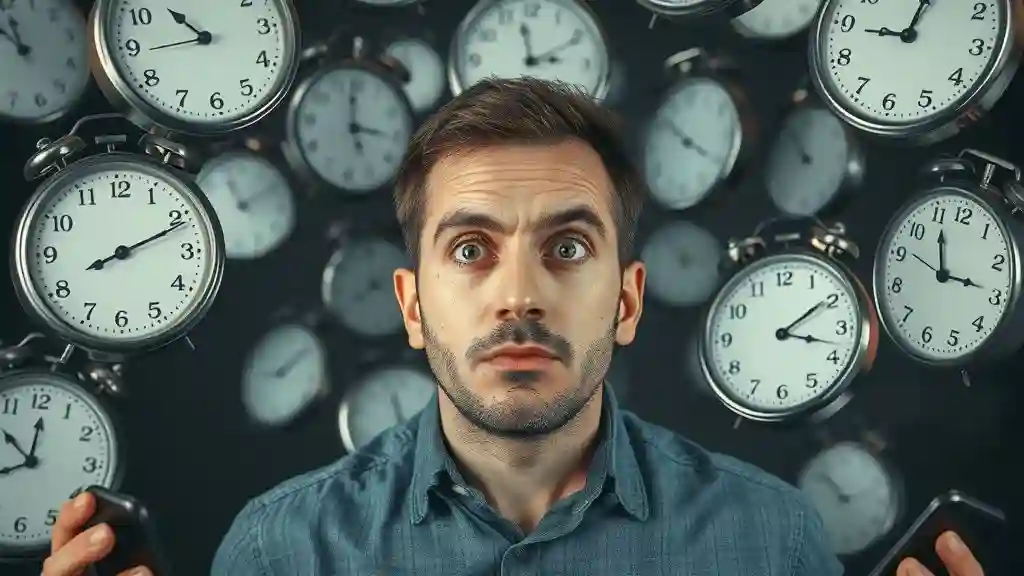
If you’ve been “gathering evidence” for six months, you’re not a detective—you’re a stalker.
- Week 1-2 (The Gut Ping): A weird moment makes you uneasy. Normal. Note it, don’t obsess.
- Week 3-6 (The Investigation Phase): Checking her location, grilling friends—you’ve crossed from care into control. Talk to HER, not her Instagram likes.
- Month 2-3 (The Paranoia Lockdown): Every answer feels like a lie. You’re not in a relationship—you’re running surveillance.
- Month 4-6 (The Addiction Stage): The suspicion itself becomes your drug. You don’t want the truth—you want the rush of catching her.
- Month 6+ (The Truth You’re Avoiding): If you’ve lived this long in doubt without proof, the problem isn’t her—it’s your fear of either trusting or leaving.
👉 Suspicion stretched too long becomes its own betrayal.
The Cheater’s Playbook vs. The Anxious Partner’s Playbook
Plot twist: Sometimes you’re showing more cheater behavior than she is.

- Cheaters Accuse to Deflect; Anxious Partners Accuse to Connect: Real cheaters throw blame first. But constant accusations? That’s you bleeding insecurity.
- Cheaters Hide Phones; Controllers Demand Access: If she hides her phone, maybe suspicious. But if you demand passwords, you’re violating trust.
- Cheaters Create Distance; Victims Cling Harder: If your suspicion smothers her, she may pull away—not because she’s guilty, but because she feels unsafe.
- Cheaters Rewrite History; Anxious Partners Replay It: If you’re dragging up the smile she gave a waiter in 2019, that’s you, not her.
- The Mirror Test: Write her “suspicious” actions. Now ask: have YOU ever done the same? Alone time, private texts, looking good for yourself? If yes, maybe she’s not cheating—you’re punishing her for being human.
👉 Sometimes the signs you see in her are really a mirror showing you yourself.
The “She’s Cheating” Starter Pack vs. The “Your Relationship Is Just Dying” Starter Pack
Sometimes it’s not infidelity. Sometimes it’s neglect.
- Secretive Phone Use: Cheating = hiding conversations. Relationship dying = she’s protecting herself from your invasions.
- Emotional Distance: Cheating = she shut down to cover guilt. Relationship dying = you stopped showing up, so she checked out.
- New Appearance: Cheating = she’s glowing for someone else. Relationship dying = she finally glowed for herself because you didn’t notice.
- Increase in Girls’ Nights: Cheating = creating alibis. Relationship dying = reclaiming lost identity after years of carrying all the weight.
👉 Cheating breaks trust. Neglect starves it. Both end the relationship if nothing changes.
Is She Cheating or Are You the Problem?
We’ve torn through suspicion, projections, timelines, and the subtle difference between cheating signs and a dying relationship. But the most painful truth still waits: suspicion itself changes who you are. And if you don’t face it, you’ll lose her—or worse, lose yourself.
The Conversation You’re Too Scared to Have (And Why That Fear Proves Everything)
You’d rather hire a PI than ask her a direct question—that’s the real red flag.
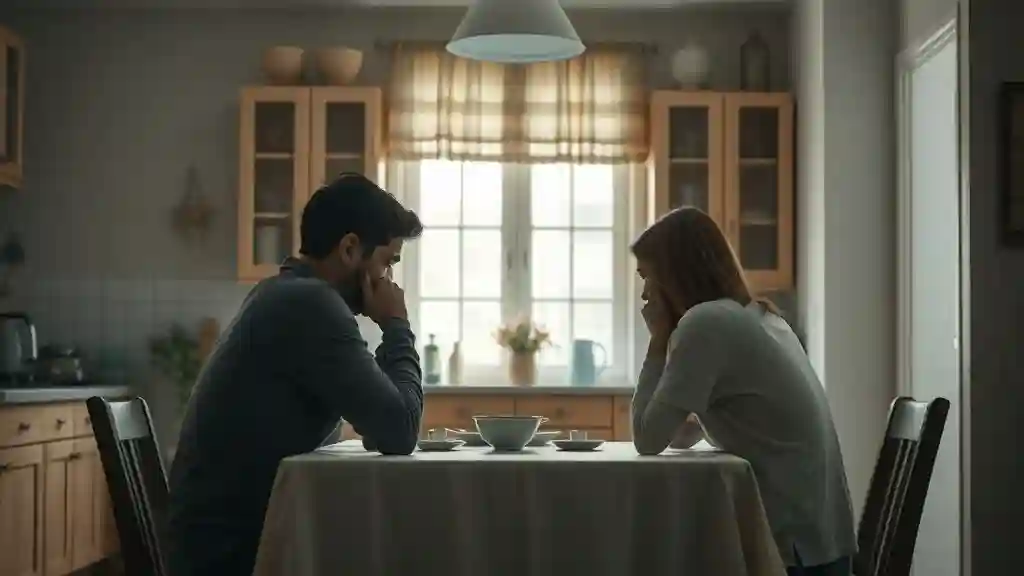
- The Coward’s Investigation: Scrolling her messages at 3 a.m., memorizing her schedule, quizzing her friends—you’re digging graves for trust instead of building bridges. Why? Because evidence keeps you in limbo. Confrontation forces answers.
- The Script You Need (But Won’t Use): Try this: “I feel disconnected from you. I’ve noticed changes that scare me. I’m not accusing—I’m asking: are we okay? What do you need from me?” It’s messy. It’s vulnerable. But it’s the only way forward.
- Why You Won’t Confront: Because if she admits cheating, you’ll have to leave. And if she doesn’t, you’ll have to admit the problem might be you. Both are terrifying truths.
- The Gaslighting Test: When you do bring it up, does she dismiss your feelings, storm out, or flip it all on you? That’s an answer in itself, whether she’s cheating or not.
- The Ultimatum You Owe Yourself: Either ask directly within 72 hours—or admit you’re choosing suspicion over truth. If you can’t stomach either outcome, you already know it’s over.
👉 Silence is not protection. It’s slow destruction.
FAQ: Is She Cheating or Are You the Problem?
Q1: How do I know if my suspicion is insecurity or real cheating signs?
If your suspicion comes from gut instinct plus clear behavior changes (hiding phone, gaslighting, emotional withdrawal), it could be cheating. If it’s fueled mostly by anxiety, abandonment trauma, or past infidelity in your life, you may be projecting your fear.
Q2: Can relationship trust issues make me feel like she’s cheating even when she isn’t?
Yes. Relationship paranoia can mimic cheating signs. Emotional insecurity, jealousy, and past betrayals can twist normal behavior—like privacy or new hobbies—into imagined red flags.
Q3: What are unhealthy signs of suspicion in relationships?
Constant phone checking, interrogations, spying on social media, and accusing without evidence aren’t protection—they’re emotional abuse. If you’re doing this, you’re harming the relationship more than saving it.
Q4: What role does abandonment trauma play in jealousy?
If you grew up in a broken home, or watched a parent cheat, your nervous system might be wired to expect betrayal. That doesn’t mean she’s cheating—it means you need healing, therapy, or conscious trust-building.
Q5: Should I leave a relationship if suspicion never goes away?
Yes. Whether she cheated or not, if trust is permanently gone, love cannot survive. Choosing limbo keeps you stuck in emotional pain. Sometimes the healthiest option is walking away and rebuilding your peace.
Do’s & Don’ts in Suspecting Cheating
✅ Do’s
- Do communicate openly: Ask her directly instead of building secret cases in your head.
- Do reflect on yourself: Notice whether suspicion comes from old wounds, jealousy, or insecurity.
- Do look for patterns, not single moments: Cheating is consistent deception, not one late-night text.
- Do seek therapy if needed: Relationship paranoia and abandonment trauma need healing, not spying.
- Do trust actions more than assumptions: If she consistently shows honesty, care, and openness—believe that.
❌ Don’ts
- Don’t snoop through her phone: Violating privacy destroys trust faster than cheating ever could.
- Don’t accuse without evidence: False accusations push her away and damage emotional safety.
- Don’t confuse distance with betrayal: Stress, burnout, or depression may look like withdrawal—but aren’t affairs.
- Don’t let insecurity control you: Relationship suspicion becomes toxic when it turns into control and surveillance.
- Don’t stay in limbo forever: If trust is dead, choose healing over half-alive love.
Call to Action
If you’re asking yourself, “Is she cheating or am I the problem?”—that’s already a warning. Don’t live stuck between paranoia and blind faith. You deserve clarity.
👉 Start by asking the hard question.
👉 Face your fear of losing her—or your fear of losing control.
👉 And if trust can’t be rebuilt, give yourself the freedom to walk away.
Because relationships aren’t meant to be investigations—they’re meant to be safe, loving, and alive. Don’t let suspicion rewrite your story. Take back your power, and choose truth over endless guessing.
Disclaimer: This post is for informational and emotional support purposes only. Every relationship is unique, and this is not professional legal, medical, or mental health advice. Read our full disclaimer.
Affiliate Disclosure: Some links in this post may be affiliate links. If you make a purchase through them, I may earn a small commission at no extra cost to you. Learn more here.
Pingback: Billionaire Romance Fantasy: Why We Crave It But It Won’t Fix Loneliness - Love and Breakups